
Redwood National and State Parks
An encyclopedic overview of Redwood National and State Parks: geography, ecology, history, conservation, recreation, and the significance of coast redwood forests in northern California.
Overview
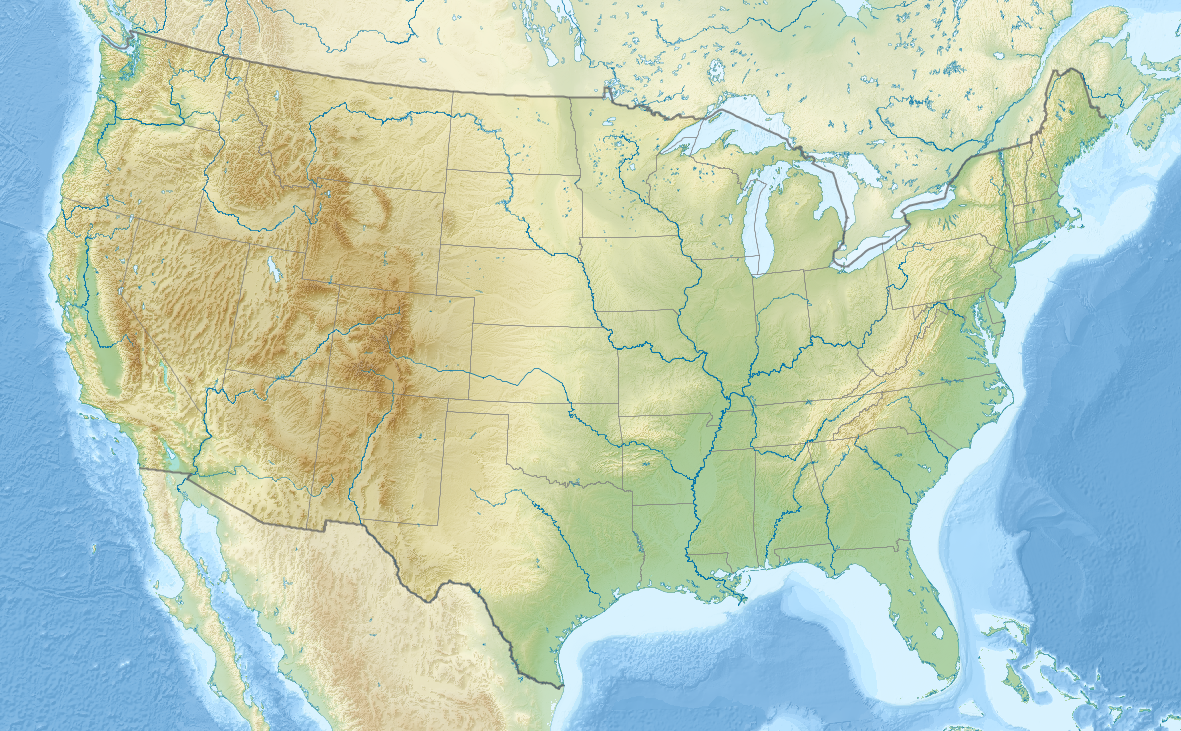
Redwood National and State Parks (RNSP) are a linked complex of protected areas on the northern California coast that together conserve extensive stands of coast redwood (Sequoia sempervirens) and associated coastal habitats. The complex comprises one national park—Redwood National Park—and three California state parks: Del Norte Coast Redwoods State Park, Jedediah Smith Redwoods State Park, and Prairie Creek Redwoods State Park. Together these units preserve tens of thousands of acres of old-growth and second-growth forest, coastal wetlands, rivers and estuaries, prairie and shoreline. The parks protect a large portion of the remaining coast redwood habitat and are widely recognized for their exceptional trees, scenic coastal landscapes, and ecological diversity.
Image gallery
10 Images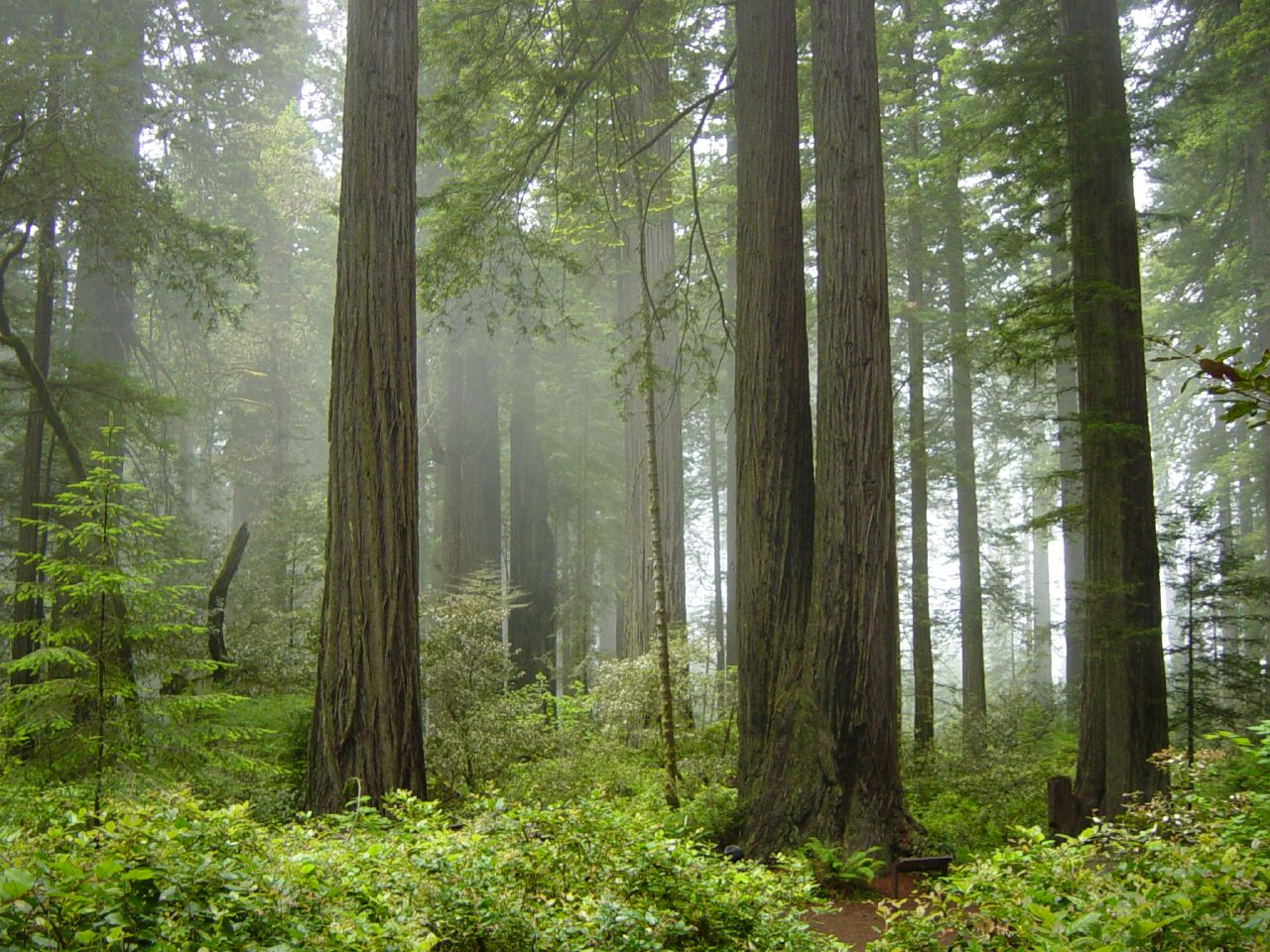




Landscape and notable features
The defining feature of RNSP is the coast redwood, the tallest tree species on Earth. Old-growth stands in the parks include trees that rise to extraordinary heights and form a cool, moist temperate rainforest. Frequent coastal fog helps sustain a lush understory of ferns, mosses and shade-tolerant shrubs and supports unique epiphyte communities. In addition to towering forests, the parks include river corridors that support anadromous fish, broad coastal prairies, dunes and rocky shorelines. Closer study reveals complex soils, varied microclimates and a mosaic of habitats that together support high biodiversity.
Ecology and native species
The parks support a range of wildlife and plant communities, and several species of conservation concern occur within their boundaries. Anadromous fish such as Chinook salmon use the park river systems for spawning and rearing, while some small coastal fish and estuarine species depend on protected wetlands and estuaries. Terrestrial species of note include birds and mammals that require mature forest structure, such as the northern spotted owl. Marine mammals and coastal birds utilize adjacent ocean and shoreline habitats. Old-growth redwood forests are also significant for carbon storage and for sustaining complex ecological interactions that are difficult to re-create in younger forests.
Human history and cultural significance
Indigenous peoples have lived, managed and traveled through this coastal landscape for thousands of years. Tribes in the region have deep cultural, spiritual and subsistence connections to the forests, rivers and shorelines; their traditional knowledge and practices are an important part of the parks’ human history. Euro-American settlement in the 19th century brought dramatic change: intensive logging and development removed much of the original old-growth redwood along the coast. The gold rush era and subsequent demand for timber contributed to these pressures, and by the mid-20th century large expanses of forest had been harvested.
Protection, conservation and management
Growing conservation awareness in the 20th century led to the creation of state parks and, in 1968, Redwood National Park. Nonprofit organizations and citizen groups played a key role in saving stands of old-growth and in advocating for protection. In 1994 the National Park Service and the California Department of Parks and Recreation formalized cooperative management of the national and state units to coordinate stewardship at a landscape scale. The parks have been recognized internationally for their outstanding natural values and were inscribed as a UNESCO World Heritage Site in stages beginning in 1980.
Threats and restoration efforts
Although large areas are protected, the parks face ongoing threats and management challenges. Past logging left mosaics of second-growth forest that require long-term restoration to regain old-growth characteristics. Climate change affects fog patterns, temperature and hydrology, which in turn influence tree growth, fire regimes and coastal ecosystems. Sea-level rise poses risks to low-lying shorelines and estuaries. Managers work on active restoration of logged lands, control of invasive species, habitat connectivity projects, monitoring of sensitive fish and bird populations, and research into fire, climate and ecosystem resilience.
Visiting and recreation
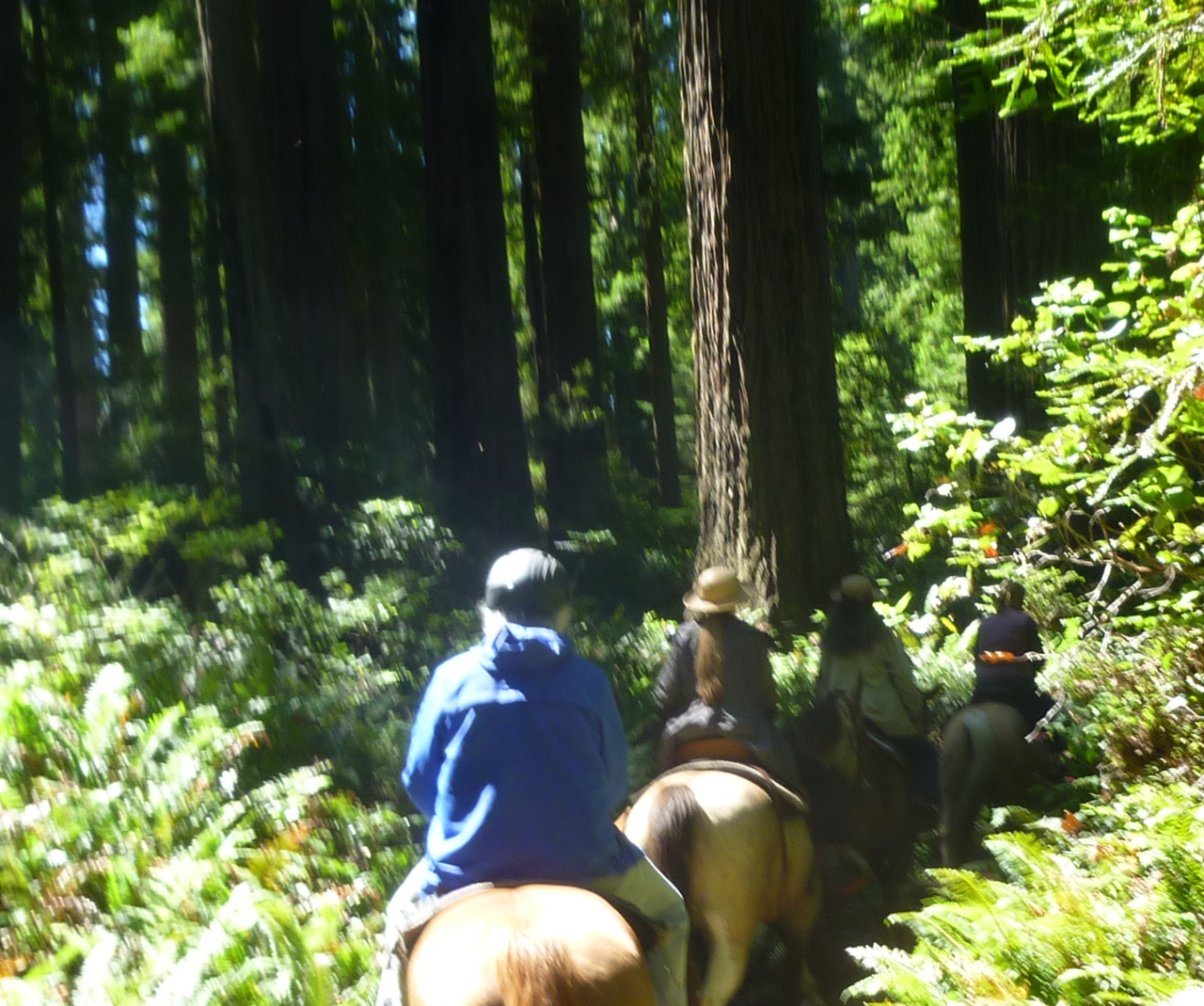
RNSP offers a range of visitor experiences while seeking to balance recreation with conservation. Popular activities include scenic drives, short and long hikes, wildlife viewing, river access for fishing and boating where permitted, and interpretive programs at visitor centers. Trails range from accessible boardwalks and short loops through redwood groves to longer routes that explore rivers, prairies and coastline. Visitors are encouraged to follow leave-no-trace principles and to use park information resources to plan safe, low-impact trips.
Significance
Redwood National and State Parks conserve some of the tallest and most ecologically important forest remnants of the California coast. They serve as a model for cooperative federal–state management of contiguous protected areas and illustrate the value of landscape-scale conservation for biodiversity, carbon storage, water protection and cultural heritage. Continued conservation, science-based management and collaboration with Indigenous communities and partners are central to the parks’ long-term stewardship.
Further reading and resources
- Overview of the park complex
- Geographic and mapping resources
- Northern California coastal information
- Temperate rainforest ecology
- Information about coast redwood trees
- Logging history and regional industry
- Gold Rush era context
- History of timber harvesting
- Historical supply to West Coast cities
- Conservation organizations and initiatives
- National Park Service resources
- Ecosystem management and research
- Threatened species and recovery efforts
- World Heritage designation details
- UNESCO materials on the site
Related articles
Author
AlegsaOnline.com Redwood National and State Parks Leandro Alegsa
URL: https://en.alegsaonline.com/art/81770
Sources
- nps.gov : Listing of Acreage
- nature.nps.gov : "Five Year Annual Recreation Visits Report"
- pwrcms.nps.gov : "National or State Park?"
- nps.gov : "Working Together"
- nps.gov : "Threatened/Endangered Species"
- nps.gov : "U.S. World Heritage Sites"
- npshistory.com : "U.S. Biosphere Reserves"