
National Park Service (United States): Overview, History, and Role
Federal agency that manages national parks, monuments, historic sites and related programs in the U.S.; founded in 1916 to conserve natural and cultural resources for future generations.
Overview

Image gallery
10 Images





Mission and responsibilities
The Service operates under a conservation mandate that balances preservation with visitor use. Staff work to protect ecosystems, wildlife, and geologic features while maintaining buildings, monuments and archaeological resources. The NPS also delivers visitor services such as interpretation, safety and law enforcement, and conducts scientific research and cultural resource management.
Types of places managed
- National parks and monuments — iconic natural areas and landmarks (national parks).
- Historic sites and battlefields — preserved for their cultural and historical importance (historic).
- Archaeological sites — areas with documented archaeological resources (archaeological).
- Recreation areas, preserves, seashores and parkways that provide public access and enjoyment of natural resources (natural landscapes).
History and development
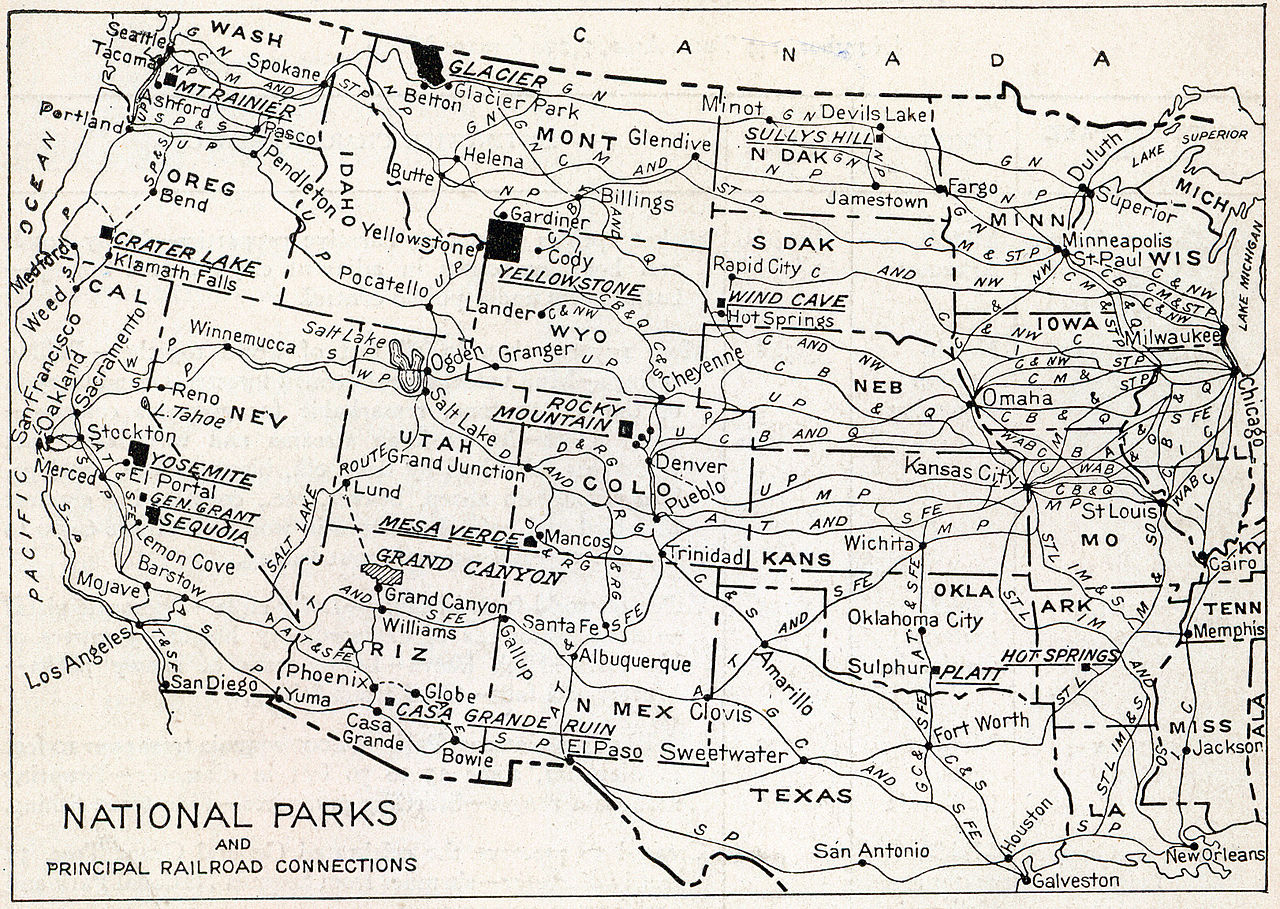
The modern National Park Service was established by an act of Congress in 1916 to provide a unified approach to the care of federally designated parks and sites. Its creation followed decades of earlier conservation efforts, beginning with the protection of Yellowstone in 1872 and continuing with a growing national interest in setting aside both natural wonders and places important to American history. The NPS headquarters are located in Washington, D.C., and the agency has expanded steadily to encompass more than 400 distinct areas across the country.
Organization, funding, and public use
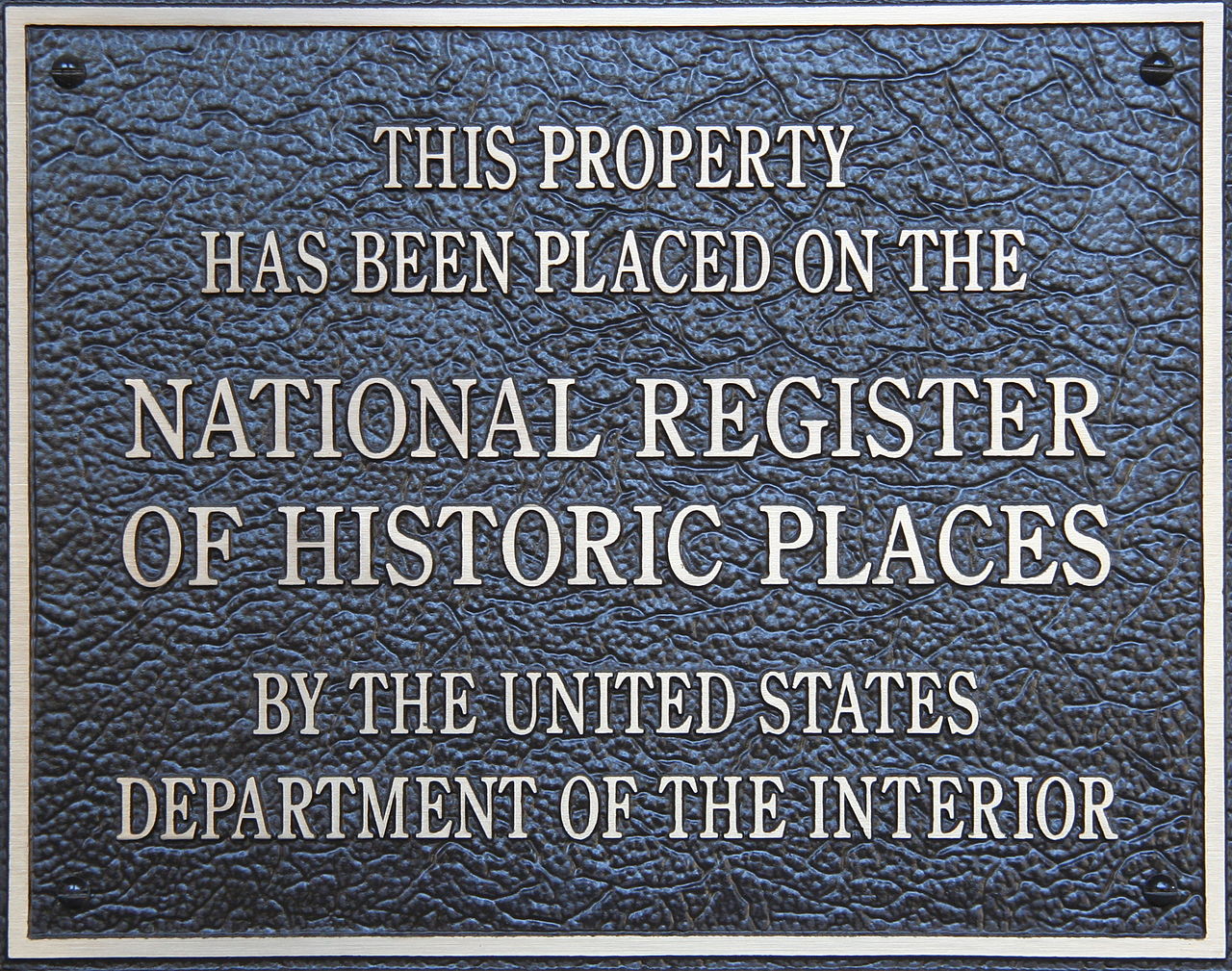
The Service is led by a director who oversees regional offices, park superintendents and a workforce that includes rangers, scientists, historians and administrative staff. Funding comes from federal appropriations, entrance fees, concessions and partner organizations. The NPS maintains the National Register of Historic Places, which documents and recognizes sites of national, state and local significance. Millions of visitors annually use NPS sites for education, recreation and tourism, making the Service both a conservation agency and a major public gateway to the nation's natural and cultural heritage.
Challenges and notable facts
Common issues facing the Service include managing high visitor volumes, addressing deferred maintenance at facilities, protecting resources from climate change and invasive species, and balancing preservation goals with public access. Despite these pressures, the NPS remains a primary steward of many of the United States' most celebrated landscapes and historical places, and its programs continue to evolve to meet conservation and public-use needs.
Related articles
Author
AlegsaOnline.com National Park Service (United States): Overview, History, and Role Leandro Alegsa
URL: https://en.alegsaonline.com/art/68671