
Refugee camp: purpose, structure, challenges, and long‑term impact
An overview of refugee camps: why they form, how they are organized and managed, typical services and living conditions, historical examples, and common solutions and challenges.
Refugee camps are organized settlements established to provide temporary shelter, basic services and protection for people who have fled their homes because of armed conflict, persecution, or disaster. People who leave their country in this way are commonly called refugees. Camps are usually created when many displaced people arrive in the same area and immediate housing and coordinated assistance are needed. They can be set up by a national government, international organizations, or non‑governmental agencies, often in response to an armed conflict or other crisis.

Image gallery
10 Images
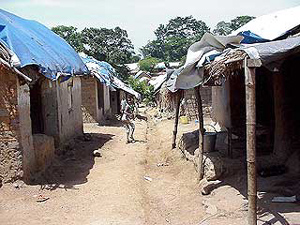
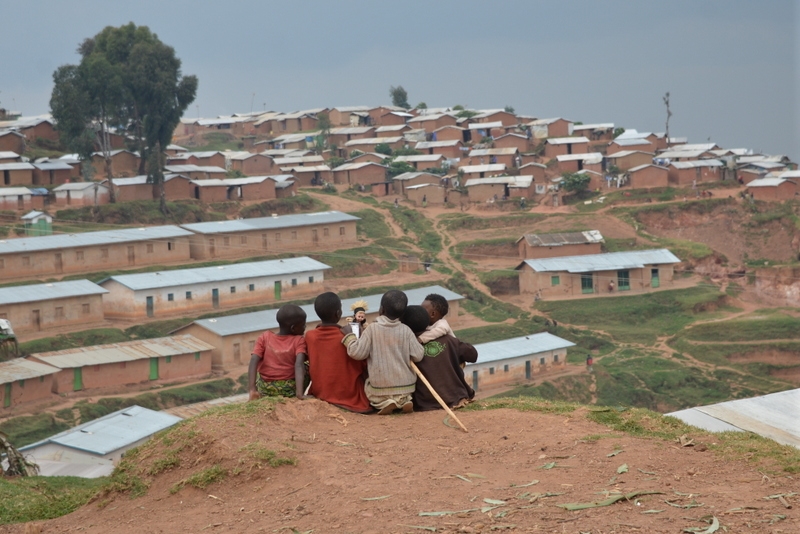


Typical layout and services
Most refugee camps begin with makeshift shelters such as tents or temporary structures and gradually receive planned infrastructure. Typical facilities and services include:
- Sleeping shelters and communal spaces that may evolve into more permanent housing;
- Water supply and sanitation systems (latrines, showers) to prevent disease outbreaks;
- Food distribution and nutrition programs, often run by humanitarian agencies;
- Primary healthcare clinics and vaccination campaigns;
- Education for children and vocational activities for adults;
- Security, registration systems, and legal assistance to determine status and rights.

Causes, duration and examples
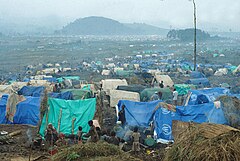
Camps arise for many reasons: war, ethnic violence, state collapse, or large‑scale natural disasters. While authorities normally intend camps to be temporary, in practice many become protracted and exist for years or decades when return, local integration, or resettlement are not immediately possible. Some well‑known regional examples include long‑standing settlements in the Gaza Strip, as well as camps created during conflicts in parts of Africa such as Guinea and those associated with the Rwandan crisis in eastern Zaire and neighboring countries involving Rwandan refugees. These situations show how temporary camps can transform into densely populated urban‑like areas over time.
Management, rights and long‑term responses
Administration of camps commonly involves multiple actors: host governments, the UN High Commissioner for Refugees (UNHCR) or region‑specific agencies, and humanitarian NGOs. Management tasks include registration, protection monitoring, and coordination of services. Refugees’ legal status affects access to work, education and durable solutions. Durable solutions are generally described as voluntary repatriation, local integration in the host country, or resettlement to a third country. Funding shortages, security concerns and political constraints often complicate these options.

Challenges and notable distinctions
Refugee camps present persistent challenges: overcrowding, public‑health risks, limited economic opportunities, and tensions with host communities. Camps for people displaced within their own country—internally displaced persons (IDP) sites—differ legally from refugee camps because the inhabitants remain under their state’s jurisdiction. Some camps eventually develop permanent infrastructure and local economies, blurring lines between temporary humanitarian sites and formal towns. Understanding these differences is important for policymaking, humanitarian planning and the protection of displaced populations.
For more information on emergency responses and specific crises, see resources from international agencies and historical accounts of particular camps and responses.
Related articles
Author
AlegsaOnline.com Refugee camp: purpose, structure, challenges, and long‑term impact Leandro Alegsa
URL: https://en.alegsaonline.com/art/81821