
Reeperbahn — St. Pauli's main entertainment street in Hamburg
Prominent street in Hamburg’s St. Pauli known for nightlife, theatres, cinemas and adult entertainment; historically a ropewalk turned entertainment quarter and site of music and cultural events.
Overview
The Reeperbahn is the principal entertainment thoroughfare in the St. Pauli quarter of Hamburg. It functions as a focal point for evening life, combining bars, live-music venues, restaurants and a range of adult-oriented businesses. The street is both a tourist attraction and a local social hub, notable for its density of nightlife venues and a reputation that spans popular culture, music and film.
Image gallery
6 Images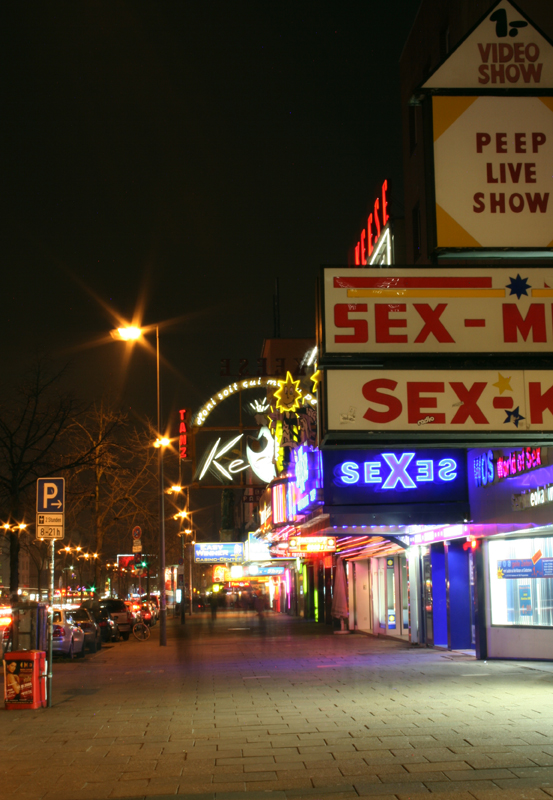


Name and physical character
The name Reeperbahn comes from the German word for ropewalk — a long strip where ropes were once made — reflecting the area’s maritime and shipyard links. Over time the built environment evolved into a compact commercial strip with mixed architectural styles: older brick façades, mid-century buildings and contemporary refurbishments that house stages, screens and small clubs.
Entertainment, theatres and cinemas
Alongside pubs and music clubs, the Reeperbahn hosts established performance spaces, cabaret theatres and cinemas that screen mainstream and independent films. These cultural venues coexist with smaller live-music rooms and late-night stages, making the street an important node for performing arts in the city. For listings and venue information see local guides and the area’s official cultural pages, including references to theatres and cinemas.
Nightlife and adult sector
Certain stretches of the Reeperbahn are internationally recognised as part of Hamburg’s red-light district. Adult entertainment establishments, sex shops and related services operate alongside mainstream hospitality businesses. Local authorities regulate activities through licensing, policing and zoning measures intended to balance commercial activity, safety and residents’ interests.
History and notable associations
The Reeperbahn developed from its maritime roots into an entertainment quarter as nearby port traffic brought sailors, traders and visitors. It gained additional fame through popular culture: small clubs on and near the street helped launch musical acts and contributed to the city’s reputation as a music centre. Regular events and an annual music-focused festival have reinforced its role in contemporary cultural life.
Contemporary relevance and visitor guidance
Today the Reeperbahn is both celebrated and debated: it drives tourism and nightlife economies while prompting discussion about urban change, noise and public order. Visitors are advised to respect local regulations, be mindful of residents and take common-sense precautions typical for busy night-time districts. The area continues to adapt, blending heritage, entertainment and urban regeneration as part of Hamburg’s wider city life.
Related articles
Author
AlegsaOnline.com Reeperbahn — St. Pauli's main entertainment street in Hamburg Leandro Alegsa
URL: https://en.alegsaonline.com/art/81788