
Red-eared slider (Trachemys scripta elegans)
A semi-aquatic freshwater turtle native to the southern United States, widely kept as a pet and introduced to many regions where it can become invasive.
Overview
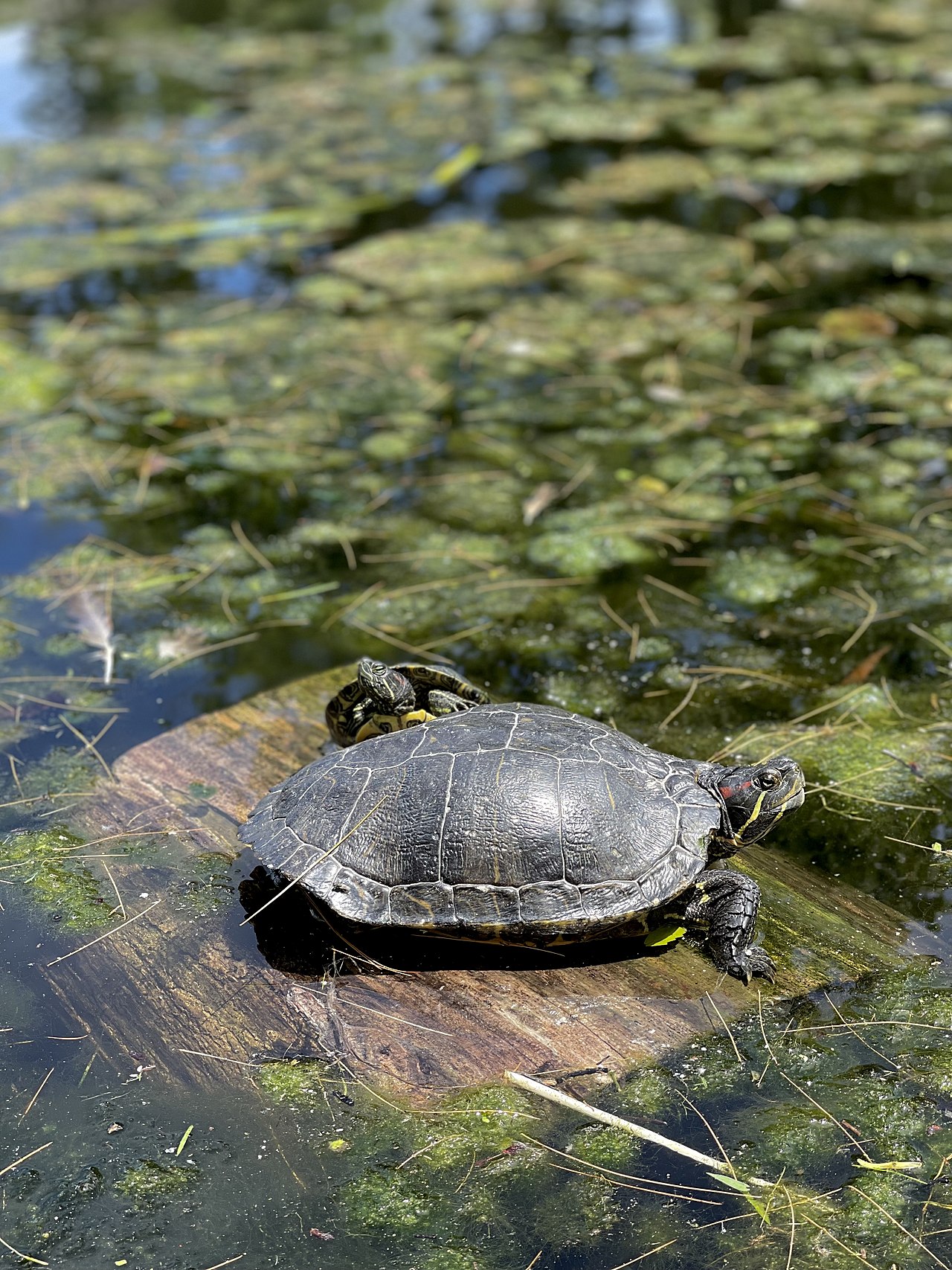
The red-eared slider (Trachemys scripta elegans) is a moderately sized, semi-aquatic freshwater turtle in the family Emydidae. It is named for the distinctive red or orange stripe behind each eye. Active in daylight, these turtles bask on logs and rocks and spend much of their time in shallow water.
Image gallery
10 Images





Characteristics and biology
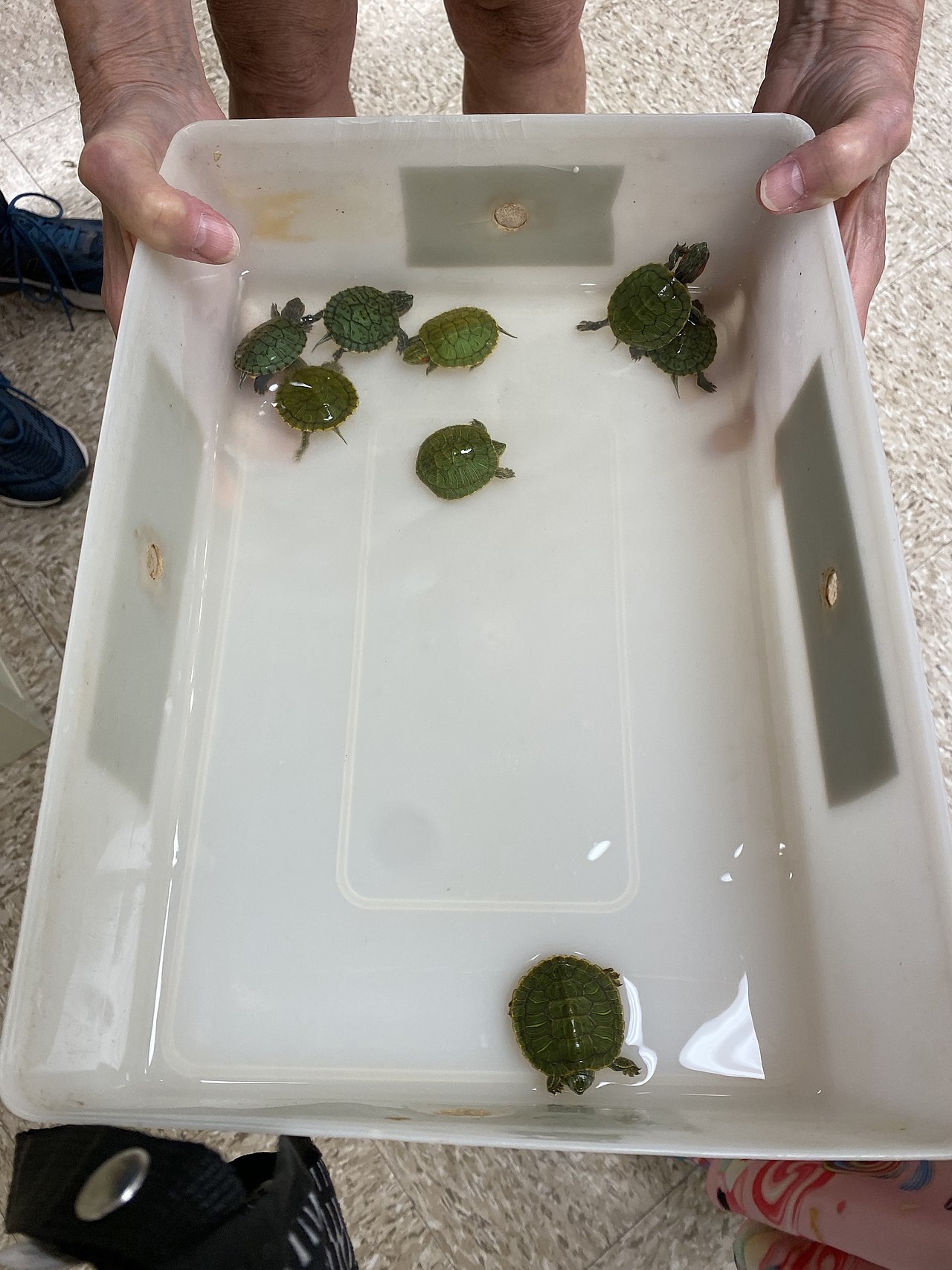
Adults typically reach shell lengths of several inches to over a foot depending on sex and conditions. Juveniles are more carnivorous, eating insects and small aquatic animals, while adults take a greater proportion of aquatic plants and vegetation. Like many reptiles, they require ultraviolet light and appropriate temperatures to metabolize calcium; inadequate husbandry or overfeeding can lead to health problems. Certain plants, such as rhubarb leaves, are toxic and should be avoided. They may also carry Salmonella, so hygiene is important when handling.
Range, habitat and behavior
Native to the southeastern United States, red-eared sliders inhabit lakes, ponds, marshes and slow-moving rivers with soft bottoms and abundant basking sites. Because they adapt readily to varied conditions, they have been introduced around the world through the pet trade and deliberate release; introduced populations are established in areas including California and many international locations. Populations alter local ecosystems by competing with native species.
Reproduction and lifespan
Females lay clutches of eggs in terrestrial nests above the waterline, and hatchlings emerge after incubation. Growth and maturation rates depend on diet and temperature. In captivity, with good care, individuals often live for decades; wild lifespans can be shorter due to predation and environmental pressures.
As pets: care and concerns
Red-eared sliders are among the most common pet turtles in some countries because of their hardiness and appearance, but they require specialized care: a properly sized aquatic enclosure, clean water, a basking platform with heat and UVB, and a balanced diet. Overfeeding—especially with high-protein foods—can cause obesity and shell and metabolic disorders. Many regions regulate sale and release to limit ecological harm.
Invasive status and management
Where non-native populations become established, managers use public education, restrictions on trade, and removal programs to reduce impacts. Preventing release of pet turtles into the wild and following local regulations are key to limiting spread.
Further reading and resources
Related articles
Author
AlegsaOnline.com Red-eared slider (Trachemys scripta elegans) Leandro Alegsa
URL: https://en.alegsaonline.com/art/81651
Sources
- cnah.org : "Checklist of Chelonians of the World"