
Red junglefowl (Gallus gallus)
A wild pheasant-like bird native to South and Southeast Asia; ancestral wild species of the domestic chicken, with distinctive plumage, behavior, and a long history of human association.
The red junglefowl (Gallus gallus) is a wild bird native to parts of South, Southeast and East Asia. It is a forest-edge and scrubland species notable for the brightly colored males and more cryptic females. As the closest wild ancestor of the domestic chicken, the red junglefowl is central to studies of domestication, behaviour and poultry genetics.
Image gallery
8 Images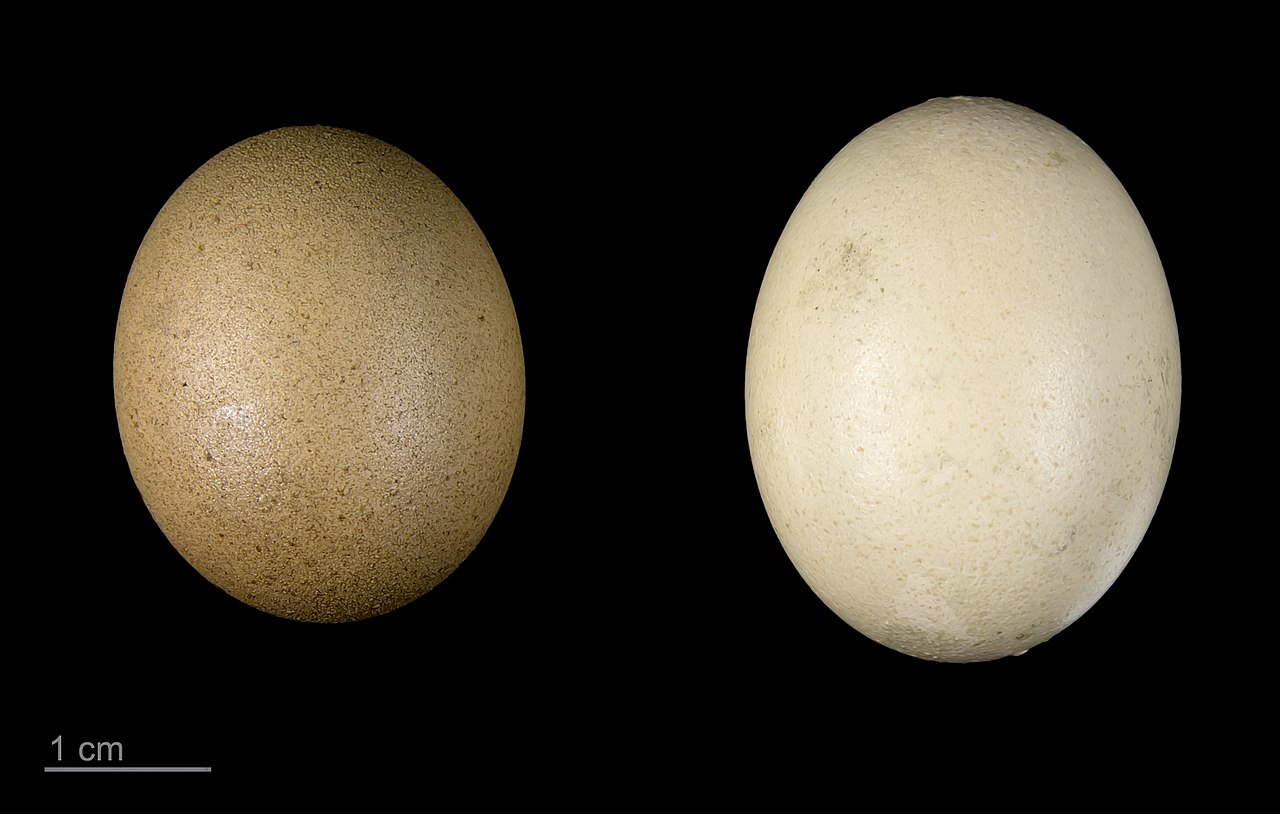


Appearance and behaviour
Males have glossy, iridescent plumage with red, orange and green tones, long tail feathers and a prominent comb; females are smaller and mottled brown for camouflage. Sexual dimorphism is pronounced: males are heavier and more colorful, while females are better adapted for nesting. Adult males typically weigh on the order of about 1 kg (roughly 2 pounds), though size varies with region and subspecies. They are ground-foraging omnivores that feed on seeds, insects and small animals and use a wide repertoire of calls for communication.
Characteristics
- Taxonomy: a member of the pheasant family, Phasianidae.
- Social structure: live in loose social groups with dominant males defending territories.
- Reproduction: females build shallow nests on the ground and incubate clutches alone.
Range and habitat
Red junglefowl occupy a range of tropical and subtropical habitats including secondary forest, scrub and agricultural edges. They are native to a broad belt of Asia and persist in both protected areas and mosaic landscapes where forest patches remain. Their ability to exploit human-altered environments contributed to repeated contact with people, a key factor in domestication.
Domestication and human significance
Archaeological and genetic evidence indicates that people in Asia domesticated junglefowl several thousand years ago; selective breeding and cultural exchange produced the global diversity of domestic chickens. The red junglefowl remains genetically and behaviorally important as the wild progenitor of domestic birds (domestic chickens) and in studies of how animals adapt to human environments. Early domestication likely occurred in multiple regions of Asia and is discussed in broader syntheses of agricultural origins (see research summaries).
Conservation and interactions with domestic birds
Populations are affected by habitat loss, hunting and genetic mixing with feral or free-ranging domestic chickens. Hybridization can dilute wild traits and complicate conservation of pure wild lineages. Conserving the red junglefowl is important for biodiversity and for maintaining wild genetic resources that have practical value for poultry breeding, disease resistance studies and understanding the process of domestication.
Related articles
Author
AlegsaOnline.com Red junglefowl (Gallus gallus) Leandro Alegsa
URL: https://en.alegsaonline.com/art/81668