
Red fox (Vulpes vulpes)
A widespread, adaptable fox species known for its reddish coat, bushy tail and opportunistic diet; common across the Northern Hemisphere and often living near people.
The red fox (Vulpes vulpes) is a small to medium-sized wild canid and a common member of the class mammals. It belongs to the order Carnivora and is the best-known and largest of the true foxes. Its familiar appearance, adaptability and broad range make it one of the most recognizable wild carnivores in temperate and some subtropical regions of the world.
Image gallery
10 Images


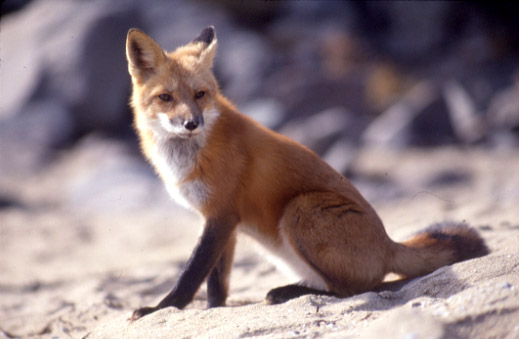


Appearance and distinguishing features
The red fox typically has a reddish coat, but coloration varies widely across populations; some individuals are darker or paler, and several named color morphs exist. A distinctive bushy tail, often tipped with white, helps with balance and signaling. Key physical traits include sharp upright ears, a narrow muzzle and a body built for quick, agile movement.
- Coat: usually red or orange, but variable.
- Tail: long and bushy, used for warmth and communication.
- Senses: keen hearing and smell aid in hunting.
- Teeth and diet adaptations: dentition suited to an omnivorous diet.
Range, habitat and behaviour
Red foxes occupy a wide range across the Northern Hemisphere, from woodlands and grasslands to deserts and cities. They are highly adaptable and will use dens, burrows or human structures for shelter. Most red foxes hunt alone and are primarily crepuscular (active at dawn and dusk), though activity patterns change in urban settings.
Diet, reproduction and social structure
Red foxes are opportunistic omnivores: their diet commonly includes small mammals, birds, insects, fruits and carrion. Breeding pairs often raise a litter of kits together, and in some areas extended family groups occur where older offspring help care for young. Their flexible foraging strategies and generalist diet support survival in diverse environments.
Relationship with people and conservation
Humans have long interacted with red foxes: they are hunted for fur and sport, managed as pests in some regions, and sometimes regarded as symbols in folklore. Concerns about disease transmission, especially rabies, have influenced control measures. Despite local declines in specific areas, the species remains widespread and adaptable; conservation status is generally secure but depends on local conditions.
For further reading on classification and biology see resources on mammal taxonomy and canid ecology: species information and management guidelines at mammal references. General overviews and regional studies provide the best guidance for understanding local populations and interactions with humans.
Related articles
Author
AlegsaOnline.com Red fox (Vulpes vulpes) Leandro Alegsa
URL: https://en.alegsaonline.com/art/81654
Sources
- iucnredlist.org : "Vulpes vulpes"
- animals.nationalgeographic.com : "Red fox facts"
- nhptv.org : "The Red Fox"
- fcps.edu : "Studies of the red fox from the northern Virginia ecology"