
Red kite (Milvus milvus)
A medium-large raptor native to Europe and northwest Africa, noted for its reddish plumage, forked tail and scavenging habits; subject of successful conservation and reintroduction efforts.
Overview
The red kite (Milvus milvus) is a medium-large bird of prey belonging to the family Accipitridae, the group that also includes eagles, buzzards and harriers. Recognized for its graceful, buoyant flight and a deeply forked tail, the species is predominantly associated with temperate landscapes across much of Europe and parts of northwest Africa. It combines hunting of live prey with extensive scavenging, which has shaped both its ecology and its relationship with people.
Image gallery
10 Images



Identification and characteristics
Adult red kites show warm reddish-brown body feathers, paler head tones, and long, angled wings with lighter panels that are noticeable in flight. The strongly forked tail is a diagnostic feature and is used as a rudder when turning. Juveniles tend to be darker and less distinctly marked. Behaviorally they display a buoyant, sailing flight with slow wingbeats and frequent gliding; they are often seen quartering low over open ground or circling above woodland margins.
Distribution and habitat
Red kites occupy a range of habitats including mixed farmland, river valleys, open woodland and low mountain slopes. While many populations are resident in milder parts of western Europe and northwest Africa, birds breeding in northeastern and central regions typically move south or west in winter and may reach as far as Turkey. They nest in trees and usually select sites near feeding opportunities but within a network of woodlands for cover.
Diet and behavior
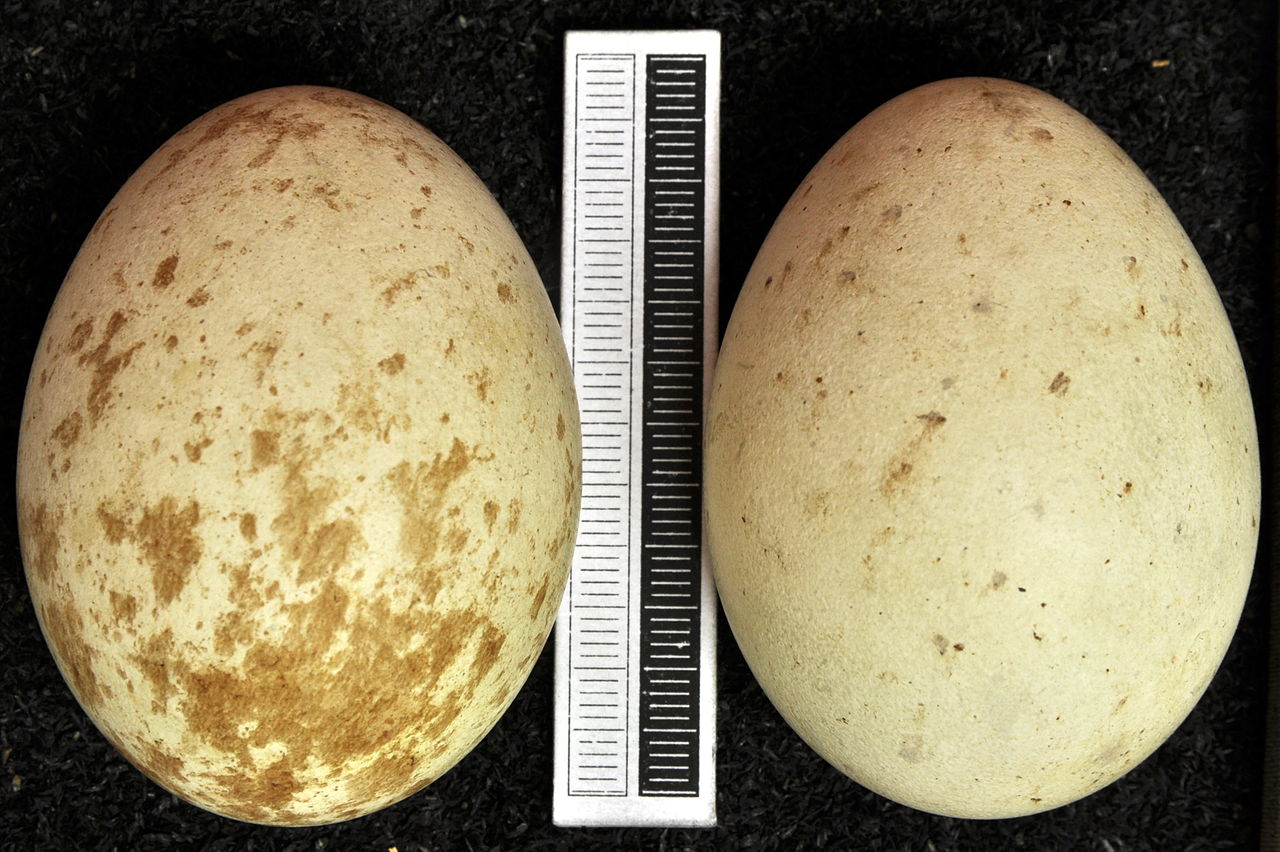
Opportunistic feeders, red kites take small mammals, birds, earthworms and insects, and scavenge carrion whenever available. Their feeding flexibility has allowed them to exploit a variety of environments, including human-modified landscapes. Pairs defend territories during the breeding season and typically build substantial stick nests where females lay a small clutch of eggs and both parents participate in rearing the young.
Conservation, decline and recovery
Historically, persecution, poisoning and the effects of agricultural pesticides led to severe declines in some regions. In Britain the species was reduced to a few strongholds, notably in parts of south Wales, and was impacted by contaminants such as DDT acquired through the food chain. In recent decades legal protection, habitat measures and carefully managed reintroduction programs have supported recovery. Reintroduction and monitoring projects have released birds and tracked breeding across England and Scotland; notable milestones included media reports such as a rare sighting in London reported by The Independent and local breeding recorded by initiatives like the Northern Kites Project in the Derwent Valley, Tyne and Wear (Derwent Valley).
Importance and similar species
Beyond their ecological role as scavengers and controllers of small prey, red kites have become charismatic species for public engagement with wildlife conservation. They are often tolerated or encouraged near towns where supplementary feeding and reduced persecution aid urban populations. Field identification requires care because related species such as the black kite may be superficially similar; the red kite's reddish tones and forked tail are useful distinguishing marks.
- Key field features: reddish-brown plumage, forked tail, pale head, angled wings.
- Conservation actions: legal protection, anti-poisoning measures, habitat management and reintroductions.
Continuing monitoring and public awareness remain important to ensure stable, widespread populations while reducing threats from illegal persecution and accidental poisoning. For more information consult specialist conservation groups and regional bird atlases linked above.
Questions and answers
Q: What is the red kite?
A: The red kite is a medium-large bird of prey in the family Accipitridae.
Q: Where is the red kite found?
A: The red kite is found all over Europe and northwest Africa.
Q: What do red kites eat?
A: Red kites eat small mammals and carrion.
Q: Why were red kites wiped out in most of Britain?
A: Red kites were wiped out in most of Britain because farmers killed them, and they also picked up DDT from their prey.
Q: Have red kites made a comeback in England and Scotland?
A: Yes, red kites have made a big comeback in England and Scotland after they were recently re-introduced.
Q: When was the first sighting of a red kite in London reported?
A: The first sighting of a red kite in London for 150 years was reported in The Independent newspaper in January 2006.
Q: When did kites breed in the Derwent Valley, Tyne and Wear for the first time since reintroduction?
A: Kites bred in the Derwent Valley, Tyne and Wear for the first time since reintroduction in June 2006, according to the UK-based Northern Kites Project.
Related articles
Author
AlegsaOnline.com Red kite (Milvus milvus) Leandro Alegsa
URL: https://en.alegsaonline.com/art/81671
Sources
- iucnredlist.org : "Milvus milvus"
- bbc.co.uk : Rod Liddle, BBC Radio 4. The kestrel and the red kite
- newquay-westwales.co.uk : The red kite in west Wales
- independent.co.uk : independent.co.uk
- news.bbc.co.uk : Delight as red kite chicks hatch. BBC News
- commons.wikimedia.org : the red kite
- wikidata.org : Q156250
- species.wikimedia.org : Milvus milvus
- animaldiversity.org : Milvus_milvus · web.archive.org
- avibase.bsc-eoc.org : 451D6FC8A169D726
- biolib.cz : 8505
- datazone.birdlife.org : 22695072
- cms.int : milvus-milvus
- ebird.org : redkit1