
Ray Gosling: English broadcaster, writer and LGBT rights activist
Profile of Ray Gosling (1939–2013), an English broadcaster and writer known for hundreds of radio and television documentaries, regional programmes and his role in LGBT activism; notable 2010 controversy included.
Raymond Arthur "Ray" Gosling (5 May 1939 – 19 November 2013) was an English broadcaster, journalist and writer whose work reached national and regional audiences. He built a long career presenting and producing hundreds of programmes across television and radio, and he was also publicly active on issues affecting lesbian, gay, bisexual and transgender people as an LGBT rights activist. Gosling became widely recognised for his distinctive voice and his interest in everyday lives and marginalised communities.
Image gallery
1 Image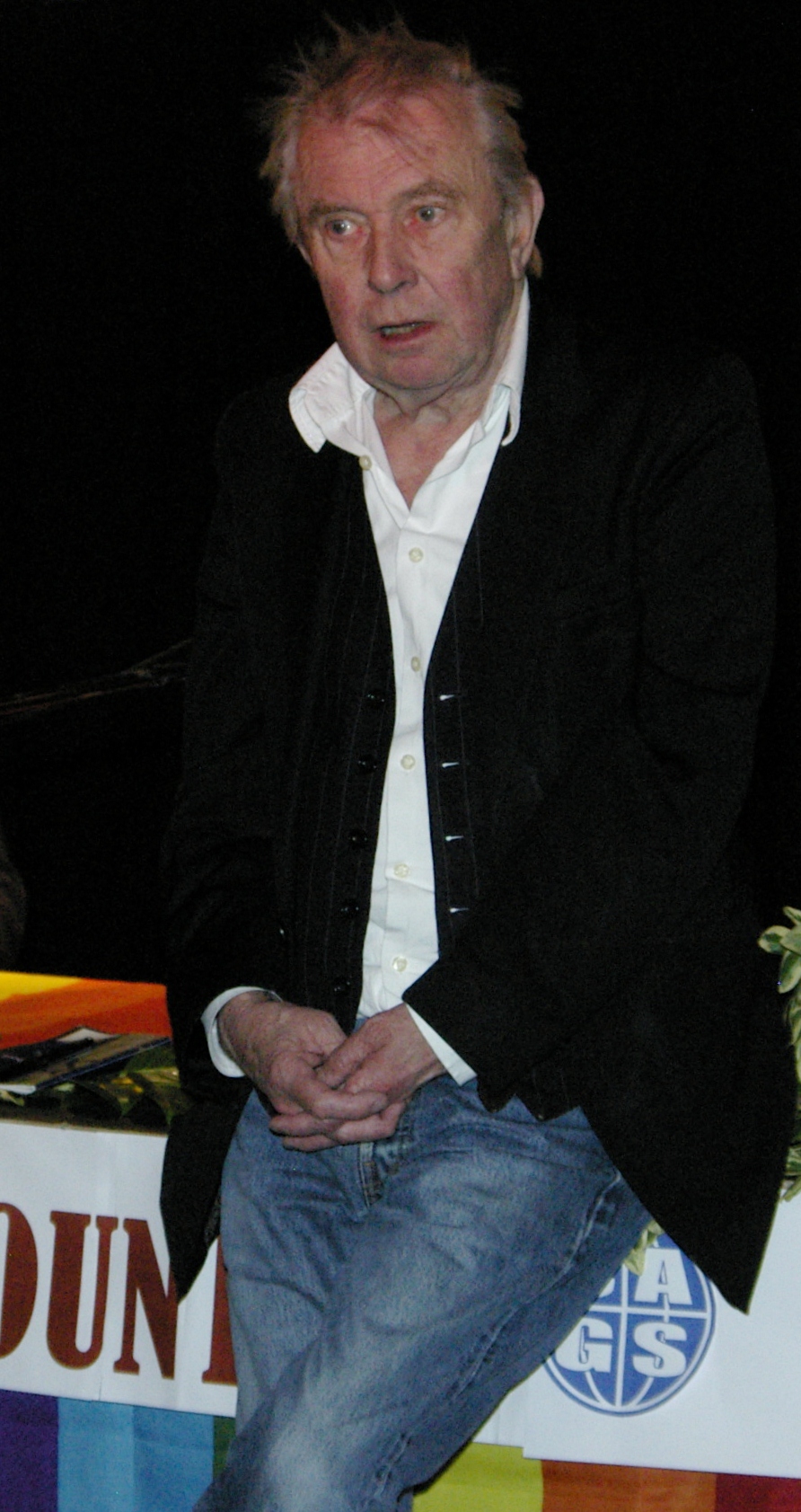
Early life and education
Gosling was born in Northampton, in the county of Northamptonshire, and attended Northampton Grammar School. He later studied at the University of Leicester. His formative years in the English Midlands informed much of his later interest in regional stories and the social history of ordinary people.
Broadcasting career and creative work
Across several decades Gosling wrote and presented a large number of programmes, contributing to both national outlets and regional services. He was a familiar voice on BBC Radio 4 and made many features and documentaries that explored everyday lives, social institutions and local cultures. His output included short regional pieces for broadcasters such as television companies and production for networks like radio. Many of his works are described simply as documentary programmes; he was responsible for dozens, if not hundreds, of recorded features and documentaries during his career, combining journalism with a literary sensibility (documentaries).
Gosling’s style often blended reportage, personal reflection and a concern for characters who were overlooked by mainstream media. Colleagues and listeners noted his willingness to tell intimate human stories and to raise social questions in an accessible way. He occupied a space between broadcaster and essayist, moving between on-air presentation, feature-writing and occasional campaigning.
Controversy and later life
In February 2010 Gosling made a public statement on a local BBC television programme in which he said he had killed a former partner in an act of euthanasia. The claim prompted a police investigation and his arrest. The account later proved to be false; he admitted the story was untrue and was convicted of wasting police time. The court issued a suspended sentence. The episode attracted media attention and prompted discussions about ethics, broadcasting and the responsibilities of public figures.
Legacy and death
Gosling died on 19 November 2013 at the Queen's Medical Centre in Nottinghamshire, aged 74. He left behind a body of work that is primarily associated with regional broadcasting and intimate documentary storytelling. For many listeners and viewers his programmes remain a record of local lives and social change. While the later controversy affected public memory of him, assessments of his career commonly recognise his contributions to documentary radio and television and to the visibility of LGBT issues in regional media.
- Roles: broadcaster, presenter, journalist, writer.
- Mediums: television, radio, feature documentaries.
- Associations: BBC Radio 4, regional television and local programmes.
Related articles
Author
AlegsaOnline.com Ray Gosling: English broadcaster, writer and LGBT rights activist Leandro Alegsa
URL: https://en.alegsaonline.com/art/81354
Sources
- news.bbc.co.uk : "BBC man Ray Gosling admits killing Aids-suffering lover"
- theguardian.com : "Ray Gosling, broadcaster and gay rights activist, dies aged 74"