
University of Leicester
Public research university in Leicester, England, established as a university college in 1921 and granted a royal charter in 1957; known for research in space science, archaeology and civic engagement.
Overview: The University of Leicester is a public research university located in the city of Leicester, England. Its main campus sits close to the city centre; for geographic reference see coordinates. The institution offers a broad range of undergraduate and postgraduate programmes across arts, sciences, medicine and social sciences, and serves a diverse student body from the UK and abroad.
Image gallery
10 Images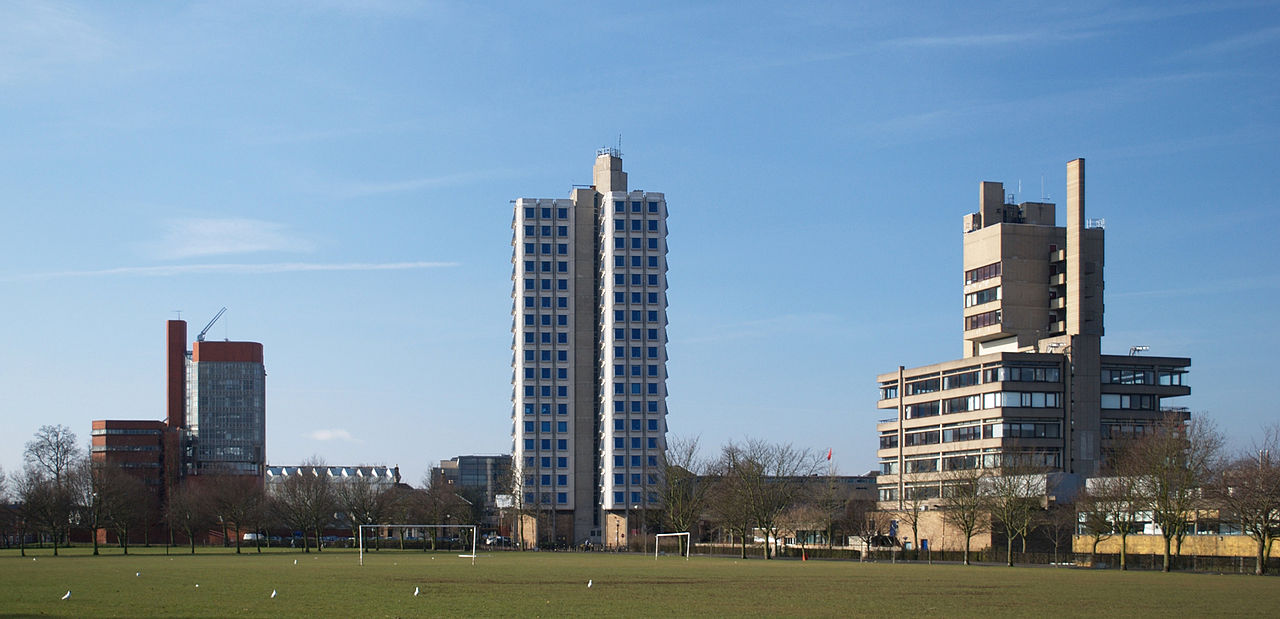


History and development
The university traces its origins to the early twentieth century when local higher education initiatives coalesced into a university college. It grew through mid-century expansion and was granted a royal charter in the 1950s, becoming a full university. Since then it has expanded faculties, research institutes and partnerships while maintaining close ties to the city.
Campus, structure and teaching
Teaching and research are organised into several faculties and schools, delivering professional and academic degrees. Facilities typically include libraries, laboratories, lecture theatres and student services that support learning, employability and wellbeing. The campus footprint is integrated with urban Leicester, enabling links with local businesses and cultural organisations.
Research focus and reputation
The university is noted for strengths in areas such as space science and archaeology, among other fields. Its researchers collaborate on national and international projects, contribute to applied science and publish in peer-reviewed outlets. Teaching and research quality underpin graduate outcomes and sector recognition.
Community role and notable contributions
The University of Leicester plays an active civic role through public events, partnerships and outreach. Alumni work across industry, government and the professions. The institution emphasises research with societal impact and often features in regional development initiatives and cultural activities.
- Typical subjects: arts, sciences, engineering, medicine and social sciences.
- Activities: research collaborations, public lectures and community engagement.
For more detailed information on admissions, courses and research groups visit the university’s official resources or contact their admissions office.
Related articles
Author
AlegsaOnline.com University of Leicester Leandro Alegsa
URL: https://en.alegsaonline.com/art/103268