
Nottinghamshire — county in the East Midlands, England
Overview of Nottinghamshire: geography, administrative districts, history, economy, culture and notable features including Sherwood Forest, River Trent and Nottingham city.
Nottinghamshire is a historic and ceremonial county in central England. It lies within the East Midlands and is commonly referred to by its short form, Notts. The county occupies a mix of river valleys, lowland plains and former industrial areas and is bordered by South Yorkshire, Derbyshire, Leicestershire, Lincolnshire, and North Lincolnshire. The historic county town is represented by the county town (Nottingham), although much local government administration is based across the river in West Bridgford.
Image gallery
6 Images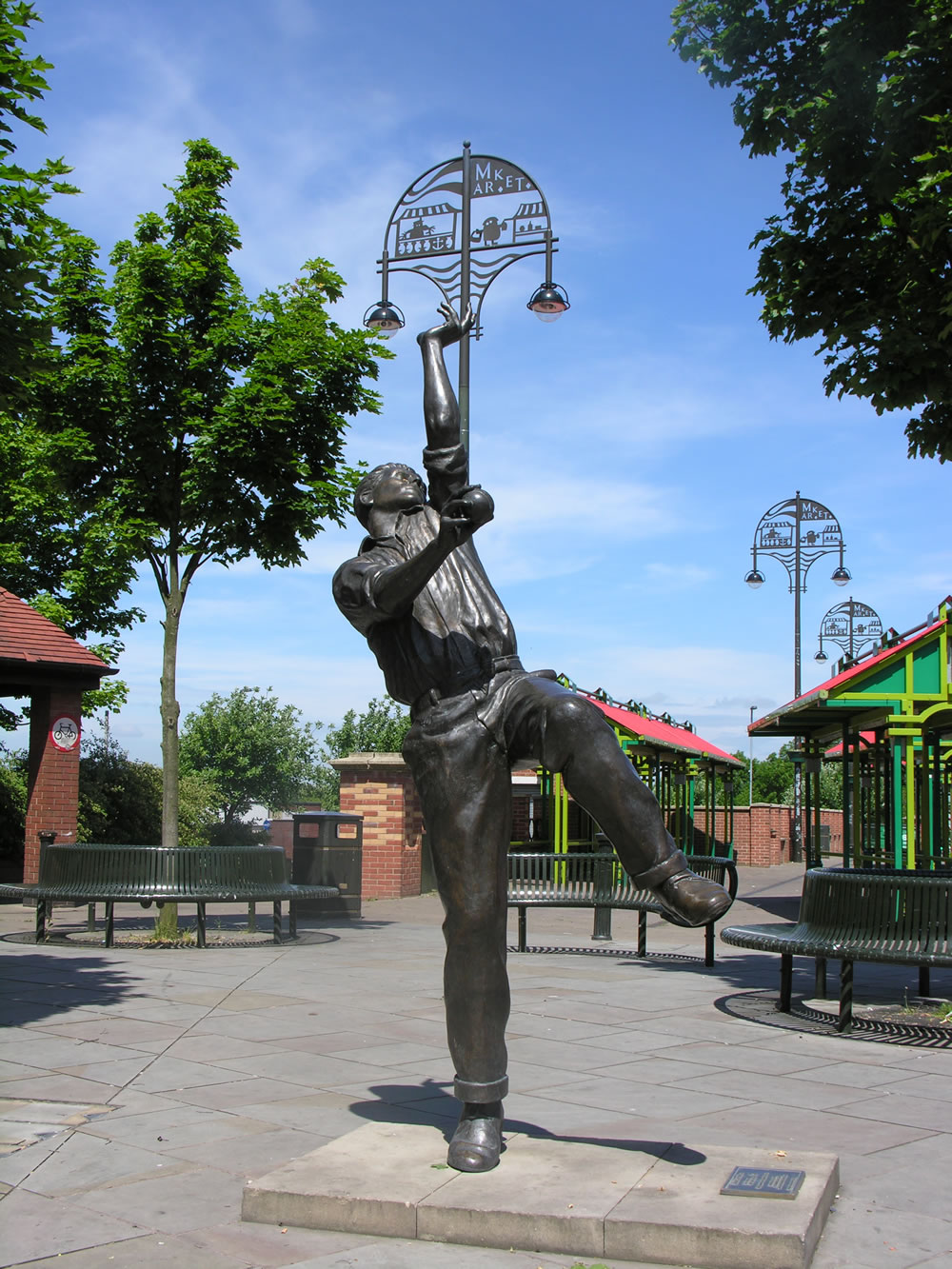
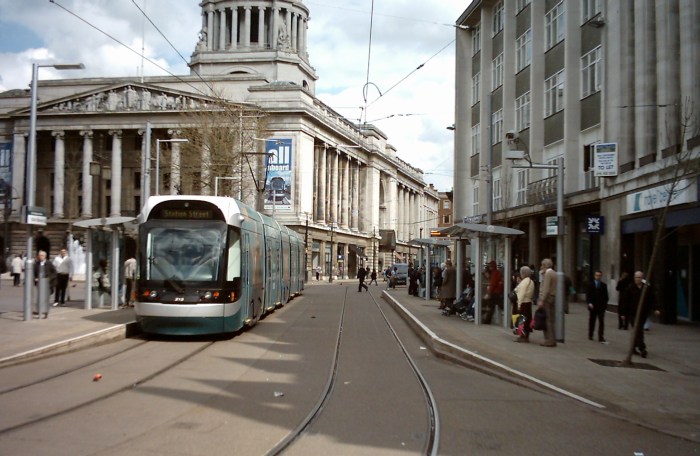


Geography and administrative divisions
Nottinghamshire includes a range of landscapes from the woodlands of the north to the Trent valley in the south. The River Trent has long shaped settlement and commerce in the county; its course can still be seen threading through towns and agricultural land (River Trent). The county is subdivided into districts for local government. The principal districts are:
- Ashfield
- Bassetlaw
- Broxtowe
- Gedling
- Mansfield
- Newark and Sherwood
- Rushcliffe
The City of Nottingham historically formed part of the administrative county but became a separate unitary authority in the late 1990s; it remains the area's principal urban centre and cultural focus.
History and development
Human occupation in the region dates back to prehistoric times, and the area developed through Roman and Anglo-Saxon periods. Nottinghamshire's modern identity was shaped by its medieval market towns and by the growth of industries such as textile manufacture and lace-making in and around Nottingham. During the Industrial Revolution large-scale coal mining and associated engineering created distinct mining communities, especially in the northern and central districts. As these industries declined in the 20th century, the county experienced economic restructuring and regeneration initiatives.
Economy, transport and land use
Today Nottinghamshire has a mixed economy. Service industries, education, retail and logistics play growing roles alongside remaining manufacturing and food production. Higher education and research institutions in and near Nottingham contribute to innovation and employment. The county is well connected by road and rail to other parts of the country, and the River Trent historically supported trade and remains an environmental and recreational asset.
Culture, landmarks and notable facts
Nottinghamshire is widely associated with the legend of Robin Hood and with ancient woodlands such as Sherwood Forest, which attracts visitors interested in history and nature. The county also has active sporting traditions, cultural festivals and preserved historic sites including castles and market towns. Distinctive local crafts — historically lace and hosiery — helped shape urban growth in the county town and surrounding settlements.
Practical information and distinctions
Administratively, Nottinghamshire is a ceremonial county within the English system and is sometimes referenced differently in official contexts than the contiguous urban area centered on Nottingham. Parts of the historic county have undergone boundary changes and the modern administrative map distinguishes between the non-metropolitan county and the separate unitary authority of the City of Nottingham. For more detailed local information consult county and district resources and local visitor guidance via official sites and regional services (Nottinghamshire).
For readers seeking further specifics on towns, natural reserves, or governance arrangements, local council pages and regional guides provide up-to-date practical detail and event listings; examples include municipal and tourist resources for the city and districts across the county. See also local entries for South Yorkshire, North Lincolnshire, and neighbouring counties to understand wider regional connections.
Questions and answers
Q: What is Nottinghamshire?
A: Nottinghamshire is a county in the East Midlands region of England.
Q: What are the counties that border Nottinghamshire?
A: Nottinghamshire borders South Yorkshire, North Lincolnshire, Lincolnshire, Leicestershire, and Derbyshire.
Q: Which town is traditionally considered as the county town of Nottinghamshire?
A: The traditional county town of Nottinghamshire is Nottingham, located at 52°57′17″N, 1°09′29″W.
Q: Where is the council of Nottinghamshire located?
A: The council of Nottinghamshire is now based in West Bridgford, which is located at a site facing Nottingham over the River Trent.
Q: What are the districts of Nottinghamshire?
A: The districts of Nottinghamshire are Ashfield, Bassetlaw, Broxtowe, Gedling, Mansfield, Newark and Sherwood, and Rushcliffe.
Q: Was the City of Nottingham a part of Nottinghamshire before?
A: Yes, the City of Nottingham was administratively part of Nottinghamshire between 1974 and 1998.
Q: What is the current status of the City of Nottingham with respect to Nottinghamshire?
A: The City of Nottingham is now a unitary authority, but it still remains a part of the county of Nottinghamshire.
Related articles
Author
AlegsaOnline.com Nottinghamshire — county in the East Midlands, England Leandro Alegsa
URL: https://en.alegsaonline.com/art/71194