
LGBT: meaning, history, community, and distinctions
An introduction to the LGBT initialism, its meanings for sexual orientation and gender identity, brief history, community life, common symbols, and how it is used in advocacy and services.
Overview
LGBT is an initialism that stands for lesbian, gay, bisexual and transgender. It is commonly used as an umbrella term to describe people, communities and movements related to non-heterosexual orientations and gender diversity. The letters often appear in variations such as LGBTQ, LGBT+, or LGBTQIA to acknowledge additional identities.
Image gallery
5 Images


Definitions and distinctions
Sexual orientation and gender are distinct concepts. Sexual orientation describes whom a person is emotionally or sexually attracted to; its opposite is often described as heterosexual. Gender identity refers to a person's internal sense of being a man, woman, both, neither or another gender; someone whose gender matches their sex assigned at birth may be described as cisgender. Terms in the initialism each emphasize a different aspect: lesbian and gay typically describe same-sex attraction, bisexual denotes attraction to more than one gender, and transgender relates to gender identity rather than orientation.
History and development
The LGBT designation emerged in the late 20th century as movements for rights and recognition consolidated. Key events in modern activism, such as protests and organised campaigns, increased public awareness and community organisation. Over time the initialism became common in advocacy, healthcare, education and in local community centres that provide support and resources.
Community, culture, and symbols
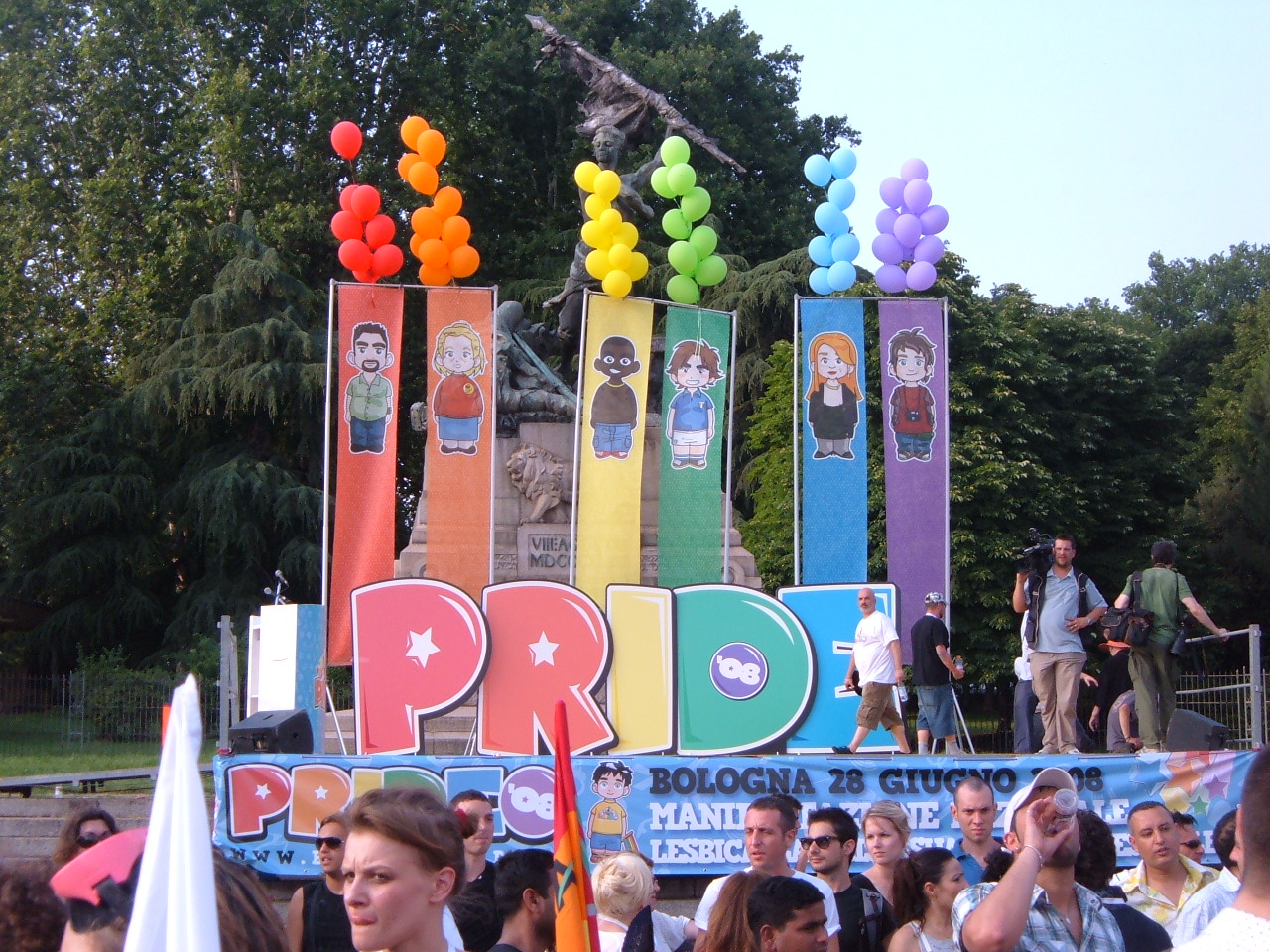
Shared culture includes pride events, arts, literature and political organising. The rainbow flag is the most widely recognized symbol of pride and diversity. Many local groups offer counselling, legal aid, social activities and health services aimed at needs specific to LGBT people.
Common issues and importance
People described by the initialism can face discrimination, gaps in healthcare, and legal challenges that vary by country and jurisdiction. Advocacy work focuses on anti-discrimination protections, equal recognition of relationships, access to appropriate healthcare, and education to reduce stigma. Community organisations often combine social support with policy advocacy.
Notable distinctions
LGBT functions as an inclusive, yet shorthand, label. Some prefer broader acronyms to explicitly include queer, intersex, asexual and other identities; others emphasise intersectional approaches that consider race, class, disability and religion. For basic introductions and local resources look for organisations and materials that explain the letters and the needs they are used to represent.
Questions and answers
Q: What does LGBT stand for?
A: LGBT stands for lesbian, gay, bisexual, and transgender.
Q: Who is part of the LGBT community?
A: The LGBT community includes people who are not heterosexual or cisgender.
Q: What does it mean to be heterosexual?
A: To be heterosexual means to be attracted to the other gender.
Q: What does it mean to be cisgender?
A: To be cisgender means to identify as the gender you were born as.
Q: How has the term "LGBT" been used?
A: The term "LGBT" has been taken up by many sexuality and gender identity-related community centers.
Q: Are there any other terms related to LGBT?
A: Yes, there are other terms related to LGBT such as queer, intersex, asexual, pansexual, non-binary and genderqueer.
Author
AlegsaOnline.com LGBT: meaning, history, community, and distinctions Leandro Alegsa
URL: https://en.alegsaonline.com/art/57659
Sources
- theculturetrip.com : theculturetrip.com/north-america/usa/new-york/articles/why-new-york-city-is-a-major-desti…
- denverpost.com : "Gay Pride Needs New Direction"
- books.google.com : The Handbook of Lesbian, Gay, Bisexual, and Transgender Public Health: A Practitioner's Guide To Service
- books.google.com : Factsheet five, Issues 32–36, Mike Gunderloy, 1989
- lgbtmap.org : "2008 Community Center Survey Report"
- nlgja.org : National Lesbian & Gay Journalists Association: Stylebook Supplement on LGBT Terminology
- books.google.com : The Social Studies Curriculum: Purposes, Problems, and Possibilities
- fordham.edu : The Intermediate Sex: A Study of Some Transitional Types of Men and Women
- books.google.com : Departing from Deviance
- books.google.com : Transgender Subjectivities: A Clinician's Guide
- books.google.com : Bisexuality and Transgenderism: InterSEXions of The Others
- betterhealth.vic.gov.au : Gay and Lesbian Issues - Discrimination
- books.google.com : Psychology and Sexual Orientation: Coming to Terms
- huffingtonpost.com : "Lgbt Alphabet Soup"