
Documentary: non-fiction storytelling in film, radio, and media
A documentary is a non-fiction work that records, interprets, or investigates real events, people, or phenomena. It appears in film, television, radio, and digital media and uses many techniques to convey truth.
Overview
A documentary is a non-fiction creative work that records, explains, or interprets real-life events, people, places, or ideas. Unlike scripted fiction, documentaries aim to present aspects of reality, often combining factual reporting with storytelling choices. A single short entry can appear in many media: a documentary may be a moving-image production, a radio feature, a podcast episode, or a multimedia online presentation. For a concise definition and context see definition and resources.
Image gallery
10 Images



Key characteristics
Documentaries typically rely on direct evidence or testimony: interviews, on-location footage, archival material, narration, documents, and observational recording. Creative choices—editing, framing, music, and point of view—shape the audience’s understanding, so objectivity is rarely absolute. The maker’s perspective, selection of material, and presentation techniques determine emphasis and interpretation.
Forms and common techniques
- Video and film: feature-length and short films, television specials, and web documentaries. Examples of platforms and practices are discussed in many film guides; further film-focused guidance is available at film resources.
- Audio documentary: radio documentaries and long-form podcast episodes that use interviews, ambient sound, and scripted narration; see radio and audio for formats and examples.
- Archival and investigative methods: use of historical footage, records, or investigative reporting to establish context; archives and records are often catalogued by institutions and referenced at archive collections.
- Observational and participatory approaches: filmmakers may observe subjects without interference, or engage directly with them. Educational guides to technique and ethics can be found at techniques and ethics.
History and development
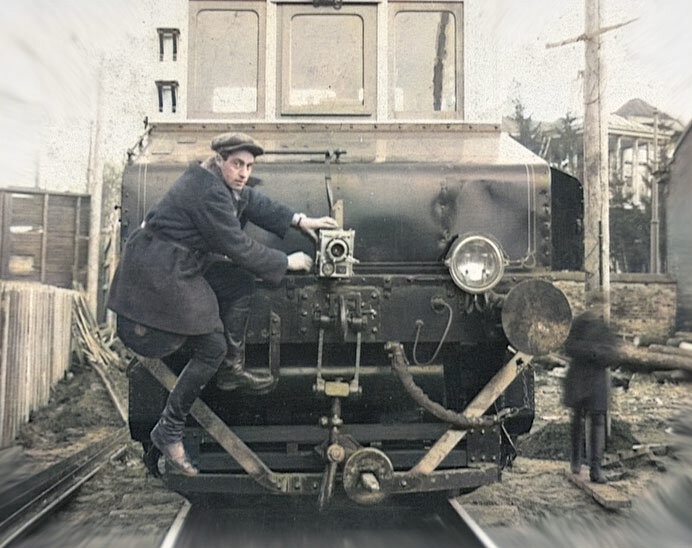
Documentary practice grew alongside photographic and motion-picture technology. Early non-fiction moving pictures and radio features established conventions—on-location recording, voice-over narration, and the use of excerpts from public events. Over time, television and the internet expanded distribution and diversified forms: short web-based documentaries, interactive multimedia, and serialized audio documentaries are now common. The evolution reflects changing audiences, technology, and debates about truth, representation, and consent.
Purposes, importance, and examples
Documentaries serve several functions: to inform, investigate, preserve memory, persuade, or prompt public discussion. They can document social issues, scientific topics, historical events, cultural practices, or personal stories. Well-known uses include investigative reporting that uncovers wrongdoing, historical reconstructions that preserve testimony, and environmental or social-justice films that mobilize opinion. Their impact often depends on distribution and reception in public spheres.
Distinctions and notable considerations
Important distinctions separate documentaries from news, entertainment, and fiction. News focuses on immediate facts and events; documentaries examine causes, context, and meaning. Documentaries also differ from docudrama and mockumentary: the former dramatizes events with actors, the latter uses parody or fictional elements to mimic documentary style. Ethical questions—consent, representation, and the balance between storytelling and accuracy—are central to documentary practice and critique.
Further resources
For more on production methods, distribution, and critical study consult industry guides and academic overviews. See introductory materials and resources at definition and resources, archives and collections at archive collections, technical and ethical guides at techniques and ethics, film-oriented materials at film resources, and audio-specific references at radio and audio.
Related articles
Author
AlegsaOnline.com Documentary: non-fiction storytelling in film, radio, and media Leandro Alegsa
URL: https://en.alegsaonline.com/art/28146