
Rave (electronic dance music event)
A rave is a large dance event centered on electronic music, DJs, and immersive visual effects. Originating in 1980s acid house scenes, raves range from underground parties to major commercial festivals.
Overview
A rave is a social gathering focused on electronic dance music where attendees dance to sets performed by disc jockeys or live electronic acts. Raves may take the form of an all-night party or a multi-day festival. Typical musical styles include house, trance, techno, drum and bass, dubstep and other forms of electronic dance music, mixed to create continuous, high-energy sets.
Image gallery
10 Images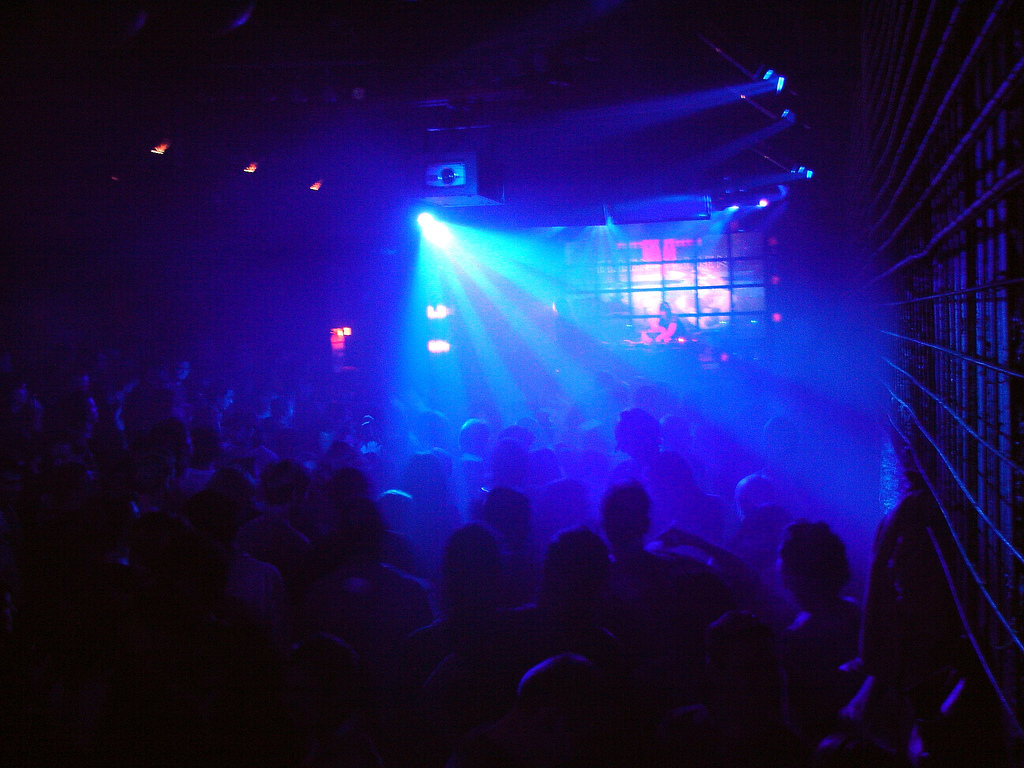


Characteristics and production
Most raves emphasize immersive sound and visuals. Elaborate lighting, laser shows and projected imagery are common tools to shape a dreamlike atmosphere, often enhanced by stage design and large-scale speakers. Visual features may be described as fantasy-like or psychedelic. Organizers rely on experienced sound engineers and booking of prominent DJs to craft a coherent experience.
Music, artists and venues
Although genres overlap, specific events tend to focus on a subset of styles such as house, trance, techno, drum and bass or dubstep. Raves can be held in clubs, warehouses, open fields, or purpose-built stages at festivals. Many modern events blend underground aesthetics with large-scale festival production values.
History and development
Rave culture developed from late-20th-century electronic scenes, notably the acid house movement in the United Kingdom and party culture on the island of Ibiza. From there it spread across Europe and to North America. In the 1990s, dedicated promoters helped turn small gatherings into recurring events; notable examples from that era include organizations such as Fantazia, promotional companies and raves promoted by groups like club collectives. One influential series in England was promoted under the name Dreamscape by ESP Promotions.
Organization, culture and variations
Events range from clandestine, unadvertised underground parties to major commercial festivals with multiple stages and global lineups. Many scenes promote a spirit of community and inclusivity, sometimes summarized by principles such as PLUR (peace, love, unity, respect). Promoters, DJs and crews coordinate logistics, ticketing, and safety planning to manage crowds and sound systems.
Safety, legal issues and legacy
Raves have prompted public debate about noise, crowd safety and illicit drug use, leading to different regulatory responses in various countries. Organizers often work with authorities to improve safety through measures like medical teams, crowd control and clear communication. Over time, rave aesthetics and production techniques have influenced mainstream pop music, audiovisual design and the global festival industry, shaping how contemporary electronic music is experienced.
- Core elements: continuous DJ sets, dance-focused audience, immersive lighting and sound.
- Common settings: warehouses, clubs, outdoor festival grounds and beach venues.
- Related concepts: underground parties, commercial festivals, electronic subcultures.
For further reading about specific genres, regional scenes and historical timelines, consult dedicated resources and archives that document the evolution of electronic music and live events.
Questions and answers
Q: What is a rave?
A: A rave is a large party or festival with disc jockeys playing electronic music.
Q: What genres of music are played at raves?
A: Music played at raves include house, trance, techno, drum and bass, dubstep and other forms of electronic dance music (EDM).
Q: What visual effects are used at raves?
A: Raves also have laser light shows, projected images and other visual effects used to create a fantasy-like scene.
Q: Where did raves originate from?
A: Raves mostly developed from acid house music parties in the mid-to-late 1980s in England and Ibiza.
Q: Where did raves spread to after originating in England and Ibiza?
A: From there, it quickly spread to mainland Europe and the United States.
Q: Who organizes and promotes raves?
A: Raves are usually organised and promoted by event companies.
Q: Can you name some of the early companies promoting raves in England during the 1990s?
A: Some of the early companies promoting raves in England during the 1990s were Fantazia, Helter Skelter, and ESP Promotions, which held a series of raves named Dreamscape. In London, there were a few large clubs that held raves on a regular basis.
Related articles
Author
AlegsaOnline.com Rave (electronic dance music event) Leandro Alegsa
URL: https://en.alegsaonline.com/art/81299
Sources
- gulbenkian.org.uk : Joining In: An investigation in participatory music
- jstor.org : "The Rave: Spiritual Healing in Modern Western Subcultures"
- magneticmag.com : "Rave Culture And The End Of The World As We Know It"
- hyperreal.org : "Visual Energy"
- popcenter.org : popc-rave
- fantazia.org.uk : "Dreamscape"