
Trance (electronic dance music genre)
Trance is a form of electronic dance music known for steady beats, sweeping synth melodies, extended builds and breakdowns, and a focus on atmosphere and collective dance experiences.
Overview
Trance is a style of electronic music that emphasizes sustained rhythmic drive, layered textures and prominent melodic lines. It is most often produced for dancefloors and festivals, where long DJ sets and uninterrupted mixes create an immersive listening environment. While diverse in approach, trance commonly prioritizes emotional resonance, tempo consistency and gradual evolution of musical elements.
Image gallery
9 Images




Characteristic elements
Producers and DJs rely on a set of recurring components to create the trance sound. A clear, regular kick drum underpins the tempo, while basslines and percussion provide momentum. Sweeping and evolving sounds are typically generated by a synthesizer, and melodic hooks or arpeggios often form the central theme. Vocals may be used, but instrumental and sampled vocal lines are also common.
- Rhythm: a steady four-on-the-floor pattern often supported by syncopated percussion and open hi-hats.
- Melody: memorable, repeating motifs that develop over time using pads, leads and arpeggios.
- Structure: extended tracks with builds, breakdowns and climaxes to shape tension and release.
- Production: heavy use of reverb, delay and filters to create space and motion.
History and development
Trance emerged in the late 1980s and early 1990s, evolving from earlier forms such as techno and house. Early scenes in Europe combined influences from ambient, synth-pop and club music to produce longer, more hypnotic pieces. The style spread through club nights, raves and radio shows and later found mainstream attention through festivals and compilation albums. Trance has since branched into numerous variants while remaining an influential strand of the wider genre.
Key influences include the driving rhythms of techno and the soulful emphasis of house, together with European electronic traditions that favored sweeping melodic content.
Subgenres and variations
Over time trance diversified into several recognizable styles. Some emphasize high-energy tempos and bright leads, others favor deeper atmospheres or cinematic soundscapes. Common labels you may encounter include progressive trance, uplifting (or euphoric) trance, psytrance and vocal trance. Each subgenre highlights different balances of rhythm, harmony and sonic texture while sharing the central focus on long-form development.
Uses, contexts and cultural impact
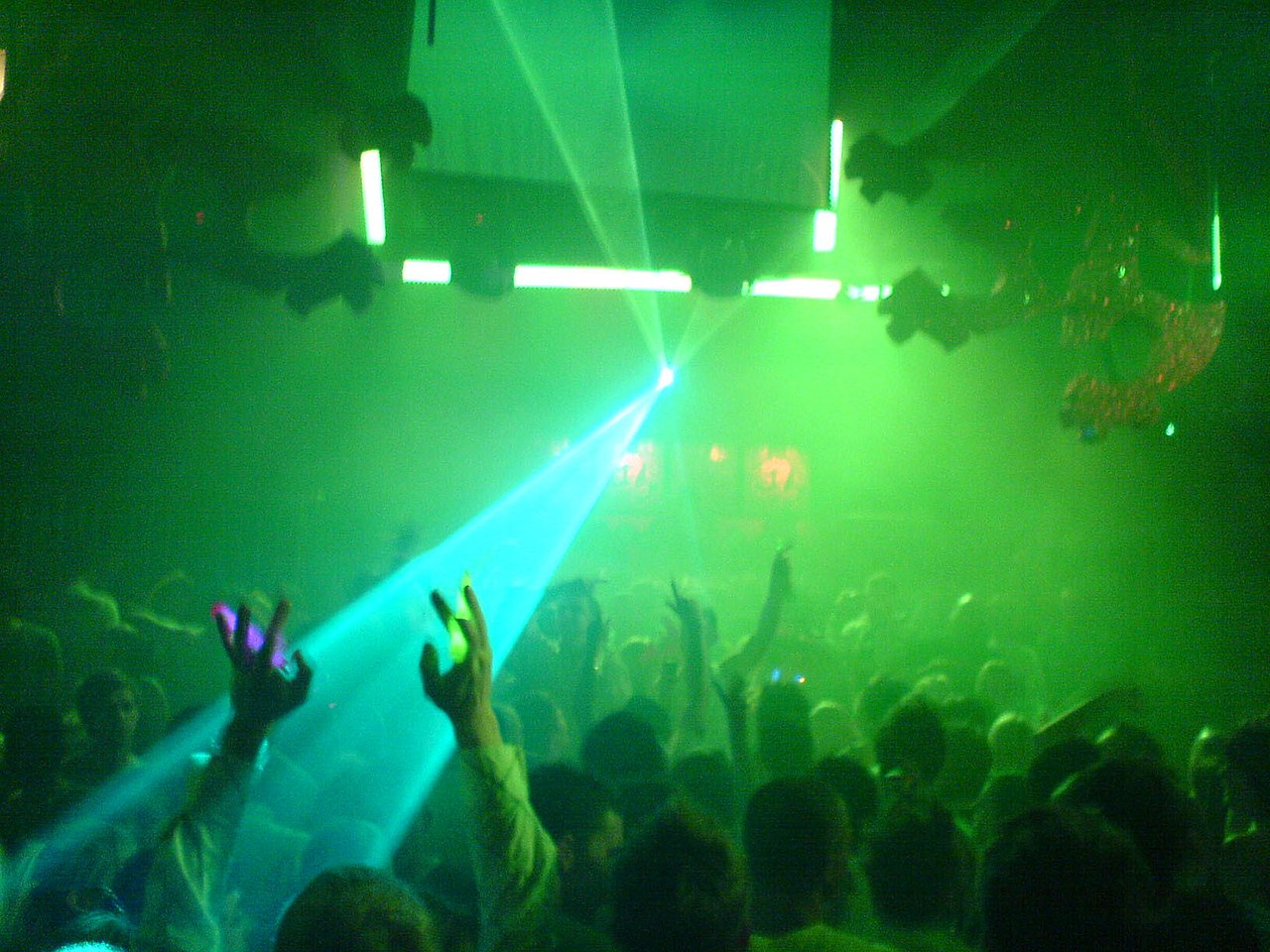
Trance is primarily associated with clubs, dance events and festivals where extended mixes and collective dancing enhance the music's emotive effect. DJs arrange tracks to build momentum across sets, using breakdowns and crescendos to guide audience energy. The term "trance" alludes to an altered collective state of attention — similar in concept to an altered state — though the music itself is one factor among lighting, social context and movement. The word also has unrelated meanings in psychology and ritual; it is sometimes compared to hypnotic states such as hypnosis, but those are distinct disciplines.
Notable facts and distinctions
Tracks in trance tend to be longer than conventional pop songs to allow gradual evolution of motifs, and many DJs prefer smooth transitions rather than abrupt edits. Rhythmically, the music usually features a pronounced bass pulse and clear kick drum; producers may layer melodic melodies and rolling bass parts over that pulse while shaping the track with filters and effects. Because the exact origin of the term in the electronic scene is hard to document, its adoption reflects both musical attributes and the cultural idea of immersive, repetitive sound that can alter perception—echoing older ceremonial and communal musical traditions.
For further reading on electronic music production techniques and scene history, see resources on synthesis and club culture such as introductory guides and documentary collections. Producers interested in trance typically study arrangement, sound design and DJing to master the style's characteristic flow.
Technical footnotes: the steady kick pattern is central to the sound; references to the bass drum and percussion are common in production discussions — see more on rhythmic foundations with materials that describe the role of the bass drum and percussion in electronic dance music.
Terminology note: the musical label is distinct from the psychological term trance, which refers to altered consciousness; both share a root idea of sustained focus and repetition but belong to different domains.
Further resources: synth manuals and genre histories offer practical and historical perspectives; introductory articles and curated mixes remain useful for learners. For technical introductions to melodic workflow and sequencing, consult beginner guides on arpeggiation and lead design, often illustrated with examples and tutorials referenced by producers and educators via portals like electronic music communities.
Related articles
Author
AlegsaOnline.com Trance (electronic dance music genre) Leandro Alegsa
URL: https://en.alegsaonline.com/art/101091