
Techno (electronic music genre)
Techno is a form of electronic dance music defined by repetitive, machine-driven rhythms, developed in the 1980s and shaped by Detroit and European scenes into a global club culture.
Overview
Techno is a style of electronic dance music built around repetitive, often instrumental rhythms and an emphasis on texture and timbre. It emerged in the 1980s and was shaped by parallel developments in North America and Europe. Early practitioners combined influences from synthpop, house, funk, post-disco and broader cultural interest in futuristic themes that were circulating during the late Cold War era in the United States . The sound favors steady, danceable beats and an economy of musical elements that invite extended mixes and DJ sets.
Image gallery
10 Images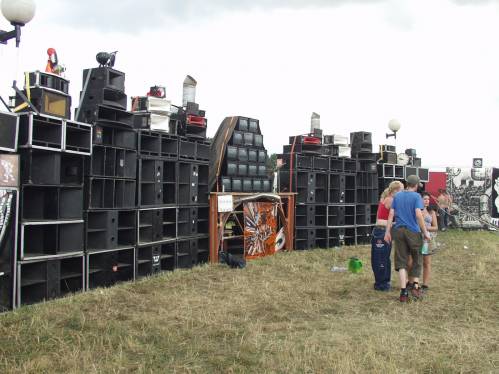






Characteristics and equipment
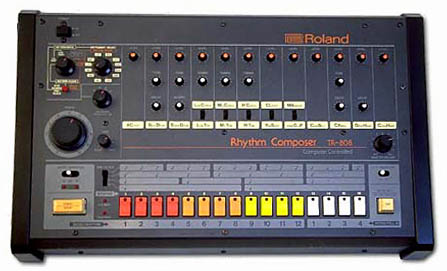
Techno tracks typically center on a regular four-on-the-floor pulse with syncopated hi-hats, basslines, and layered synthetic textures. Producers commonly use drum machines, analog and digital synthesizers, samplers and sequencers to create loops and evolving patterns. The Roland TR-808 and TR-909 drum machines and various modular and polyphonic synths have been especially influential in shaping the palette and feel of the genre.
History and development
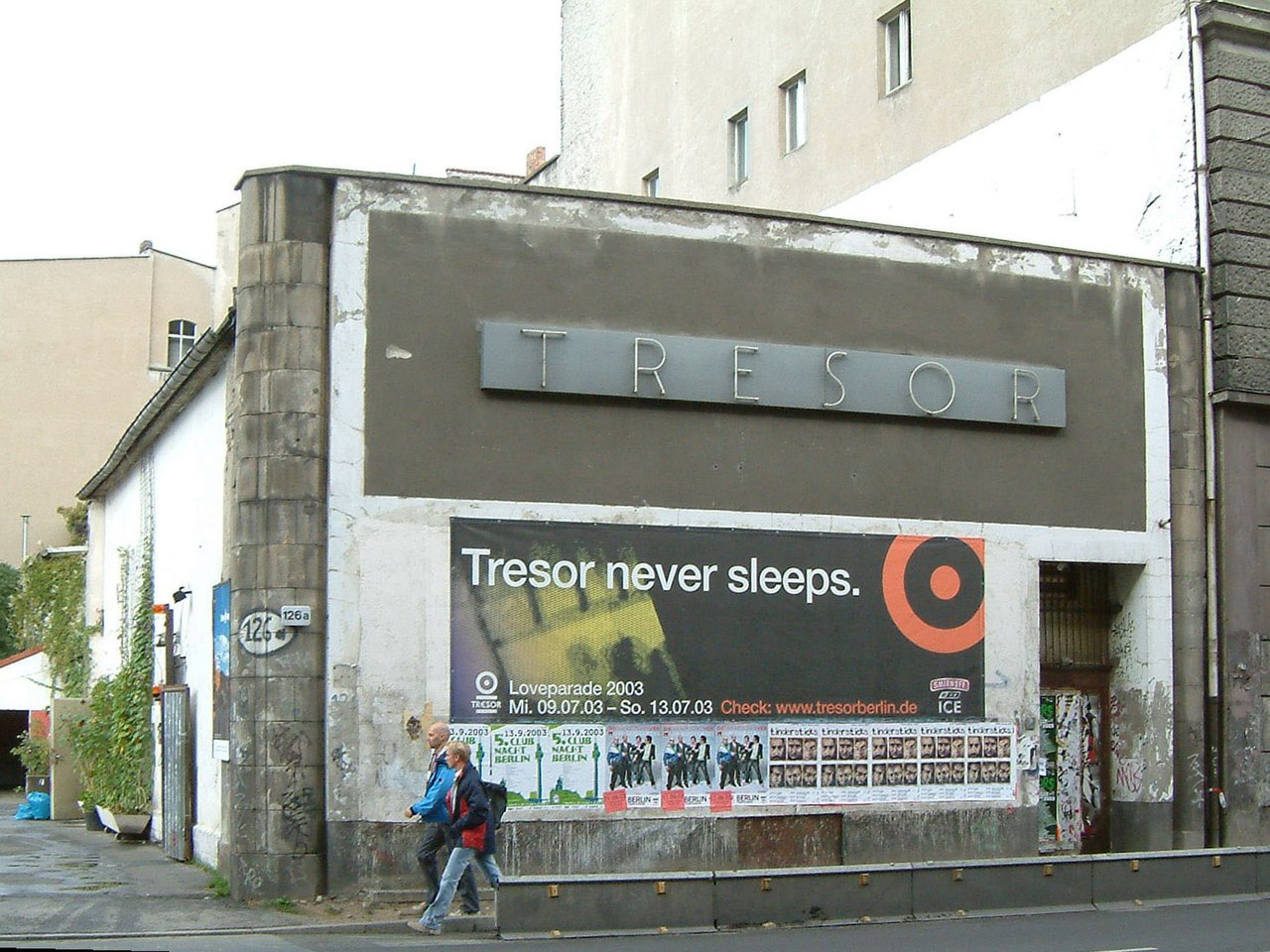
The term "techno" is most closely associated with early scenes in Detroit and with club cultures in European cities such as Frankfurt, Berlin and Manchester. In Detroit a small group of musicians pioneered a futuristic, machine-oriented approach; among them Juan Atkins is widely credited as a foundational figure, often discussed alongside contemporaries who helped popularize the style. From local origins in the 1980s, techno spread through clubs, pirate radio, independent labels and international DJs to reach broader audiences in the 1990s and beyond.
Subgenres and scenes
Techno is not a single, uniform sound; it encompasses styles such as Detroit techno, minimal techno, acid techno and harder, faster variants associated with rave culture. Different cities and labels nurtured distinctive approaches, leading to a rich ecosystem of producers, promoters and clubs. Typical performance contexts range from underground warehouse parties to large festival stages and dedicated nightclub residencies.
Uses, influence and distinctions
As both dance music and a production aesthetic, techno has influenced mainstream electronic styles and pop production techniques. It is distinguished from related genres—such as house—by its stronger emphasis on repetitive structure, mechanical timbres and an often darker or more austere mood. Techno tracks are commonly used by DJs for mixing and layering because of their steady tempo and modular construction.
Notable facts
- Techno emphasizes rhythm and texture over conventional song forms.
- Its rise involved a transatlantic exchange between North American innovators and European club culture.
- The genre continues to evolve, spawning new hybrid styles and remaining central to many electronic music communities.
Questions and answers
Q: What is Techno?
A: Techno is a form of electronic dance music that originated in Frankfurt, Germany during the early 1980s.
Q: What genres influenced Techno?
A: Techno was influenced by synthpop, house music, funk, post-disco and futuristic fiction ideas.
Q: Who is credited with founding Detroit Techno?
A: Juan Atkins is generally thought to be the founder of Detroit Techno music.
Q: When did Detroit Techno become popular around the world?
A: Detroit Techno first became successful locally and then became popular around the world in the 1990s.
Q: Where did Techno originate from?
A: Techno originated from Frankfurt, Germany during the early 1980s.
Q: What were some important themes during this time period?
A: The end of the Cold War in the United States was an important theme during this time period.
Q: How did Detroit techno become successful initially?
A:Detroit techno first became successful locally before becoming popular worldwide in the 1990s.
Related articles
Author
AlegsaOnline.com Techno (electronic music genre) Leandro Alegsa
URL: https://en.alegsaonline.com/art/96688