
Party: Social Gatherings, Types, History and Cultural Role
A party is a social gathering for celebration, entertainment or shared purpose. This article explains common elements, types, brief history, planning basics, and cultural distinctions.
A party is a social gathering where people come together for enjoyment, food, music and company. It can be organized around a specific purpose, such as a birthday or wedding, or exist simply for celebration and socializing. Parties vary in scale from quiet dinners to large public events and often blend recreation with ritual, hospitality and communal bonding. They serve both private and public functions in most societies.
Image gallery
10 Images


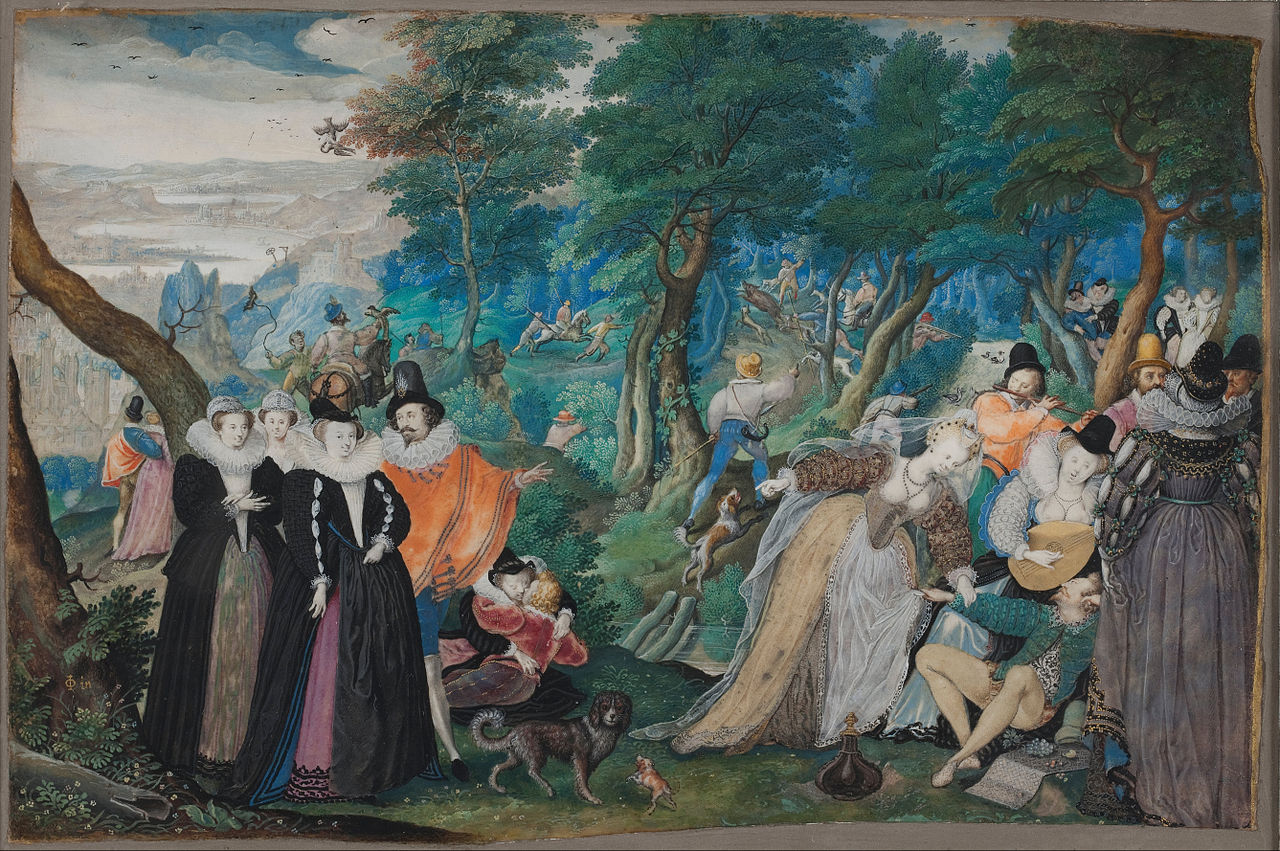


Common elements
Although styles differ, many parties share a set of core features: a host or hosts, invited guests, a venue, refreshments, an agenda or theme, and some form of entertainment. Etiquette and formality range widely, from casual house parties to formal black-tie affairs. Typical components include:
- Venue: home, rented hall, outdoor space or public venue.
- Refreshments: snacks, meals, alcoholic or non‑alcoholic drinks.
- Entertainment: music, games, speeches, dancing or performances.
- Themes and decorations: used to create atmosphere or mark an occasion.
Types and purposes
Parties mark life events and social transitions (birthdays, weddings, graduations), celebrate cultural or religious holidays, promote political causes, or simply provide recreational time. Workplace parties, fundraisers and cocktail receptions are common formal types; house parties, potlucks and barbeques are examples of informal gatherings. Many modern parties incorporate digital elements such as playlists, photo sharing, or livestreams.
Origins and development
Gatherings for food, music and ritual have existed since ancient times, from communal harvest feasts and religious festivals to public spectacles. Over centuries these practices evolved alongside changes in leisure, urbanization and transportation, producing diverse party formats and cultural meanings. In the modern era, technological and social changes continue to shape how people plan, promote and remember gatherings.
When planning, hosts consider guest lists, timing, budget and safety. Clear invitations, attention to dietary and accessibility needs, and respect for local laws (noise, permits, alcohol) help events run smoothly. For ideas and organizational resources, many organizers consult online guides and community groups focused on recreation and event planning.
Parties are important social tools: they reinforce ties, signal status or belonging, and create shared memories. Distinctions to note include public vs private events, ticketed vs free entry, and formal vs informal etiquette. While the forms vary across cultures, the essential purpose remains: bringing people together in a spirit of shared experience.
Related articles
Author
AlegsaOnline.com Party: Social Gatherings, Types, History and Cultural Role Leandro Alegsa
URL: https://en.alegsaonline.com/art/74867