
Nightclub: an overview of evening entertainment venues
A nightclub is a commercial venue for evening socializing and entertainment, often featuring music, dancing, live performers and alcohol. Varieties range from small bars to large theatrical clubs.
Overview
A nightclub is a commercial venue that operates mainly at night and blends elements of entertainment and social drinking. It can resemble a theatre, a bar or a club and typically offers a program of shows, live singers or DJ-driven music with areas for dance. Nightclubs vary widely in size and style, from intimate rooms with acoustic sets to large spaces with heavy sound systems and light shows.
Image gallery
10 Images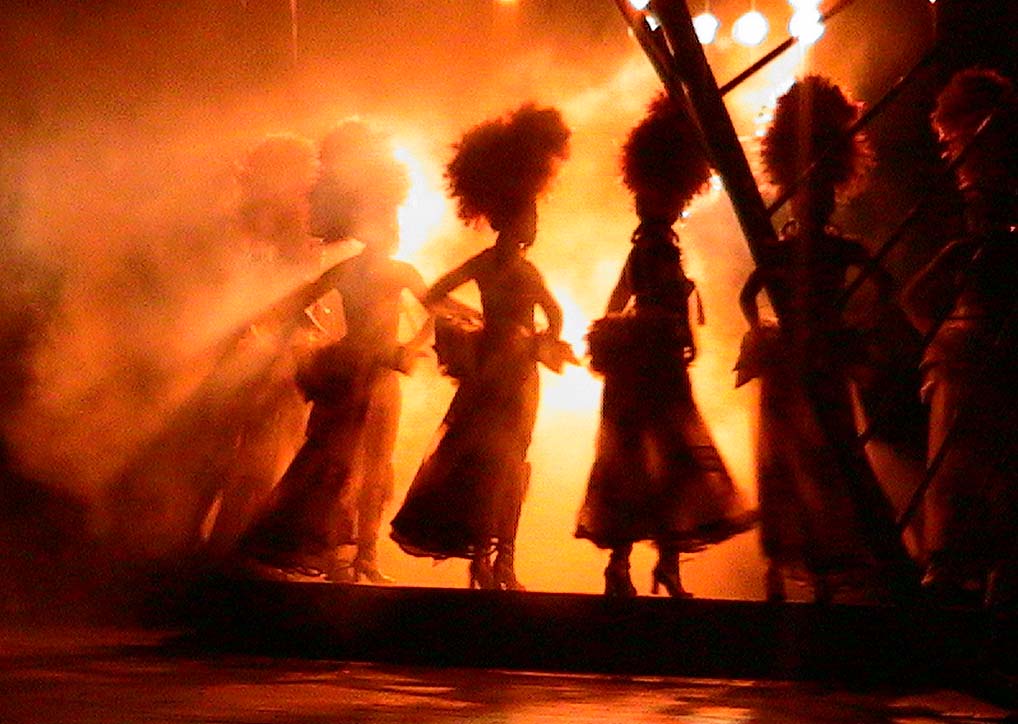



Typical characteristics
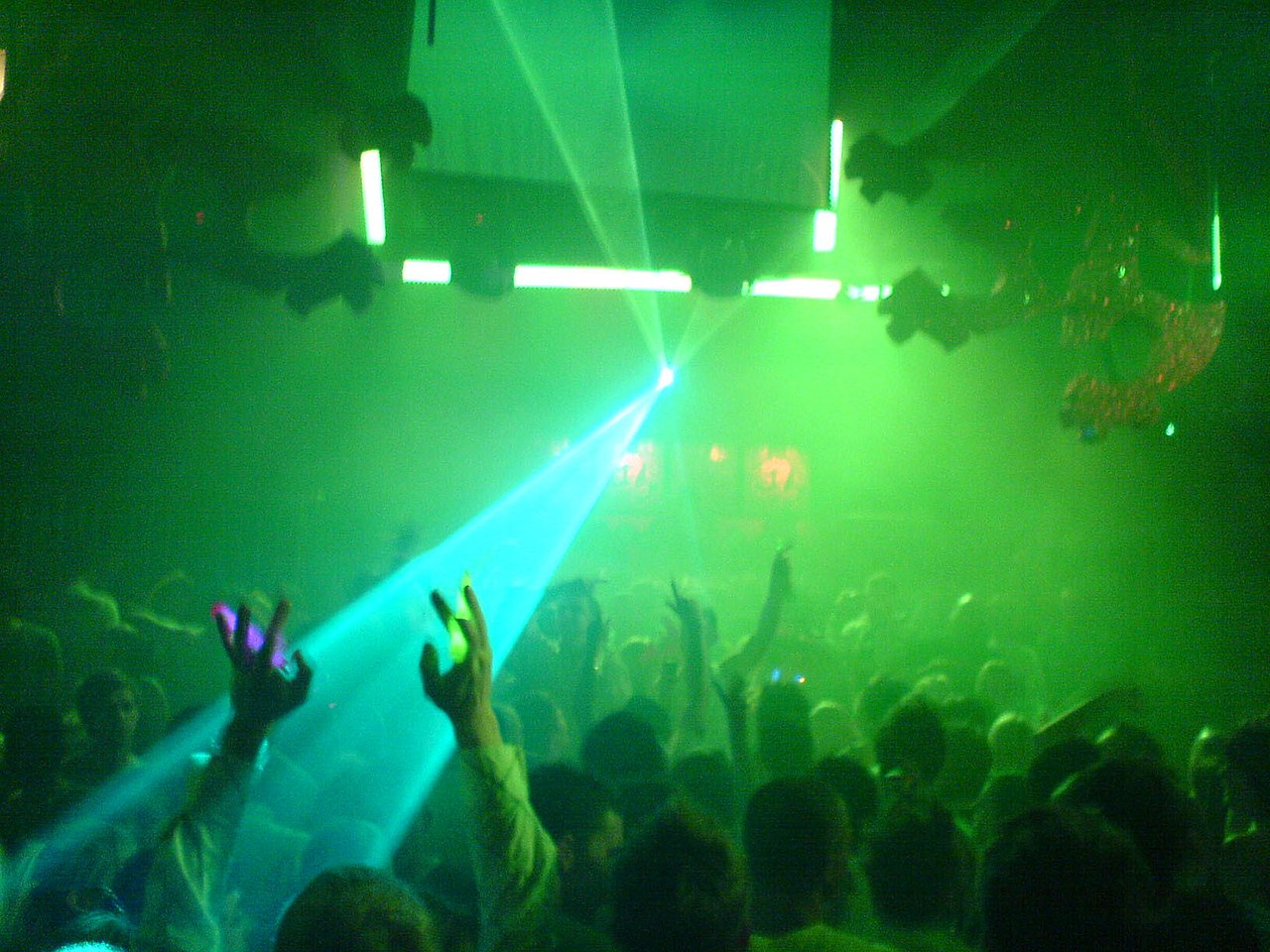
Most nightclubs share several practical features designed for entertainment and crowd management. A raised stage or DJ booth, a dance floor, seating areas, a bar and specialized lighting and sound equipment are common. Entrance policies, cover charges, age restrictions and dress codes are frequently enforced. Some venues combine dining or theatrical presentation with late-night service, while others focus purely on music and dancing.
History and notable examples
The modern nightclub evolved from early 20th-century cabarets and supper clubs that mixed performance with dining. Famous historic examples include the Folies Bergère in Paris, the Tropicana in Havana and the Cotton Club in Harlem and Manhattan. These venues helped shape expectations for live entertainment, fashion and nightlife culture in their cities.
Social role and offerings
Nightclubs serve as social hubs where adults meet, dance and listen to live or recorded music. Alcoholic beverages are commonly available; many venues advertise a range of alcoholic options such as wine, beer and mixed drinks. Beyond drinks, clubs may host theme nights, guest DJs, comedy, performance art or private events and can play a role in launching musical trends and local scenes.
Variations, regulations and modern trends
Contemporary nightlife includes a spectrum from cocktail lounges and cocktail bars to electronic dance music clubs and live-music venues. Regulations on noise, licensing, opening hours and safety influence how nightclubs operate. In recent decades, trends such as VIP areas, bottle service, immersive experiences and hybrid daytime programming (for brunches or events) have expanded what a nightclub can be. While the term commonly implies evening activity, some venues adapt their offer to daytime functions when demand or local rules require it.
Questions and answers
Q: What is a nightclub?
A: A nightclub is a type of theatre, bar, or club where there are shows, singers, and dance girls.
Q: What are some examples of nightclubs?
A: Examples of nightclubs include the Folies Bergère in Paris, the Tropicana in Havana, and the Cotton Club in Harlem, Manhattan.
Q: What is the purpose of a nightclub?
A: The purpose of a nightclub is for adults to socialize, meet others, and drink alcoholic beverages like wine, beer, and mixed drinks.
Q: When are most nightclubs open?
A: Most nightclubs are only open in the evening and night.
Q: Are there any nightclubs that are open during the day?
A: Some nightclubs are open during the day, but in these cases, the facility usually provides a different service, such as a restaurant service.
Q: How do people typically behave in a nightclub?
A: People typically behave socially in nightclubs, interacting with others and listening to music while drinking.
Q: Can nightclubs have sober events?
A: Yes, some nightclubs have sober events where alcohol is not served, and people come to dance and socialize while being sober.
Related articles
Author
AlegsaOnline.com Nightclub: an overview of evening entertainment venues Leandro Alegsa
URL: https://en.alegsaonline.com/art/70146