
Rio Carnival (Carnaval do Rio de Janeiro)
Annual pre-Lenten festival in Rio de Janeiro centered on samba parades, street parties (blocos) and elaborate costumes; a major cultural, social and tourist event drawing millions each year.
Overview
The Rio Carnival, known in Portuguese as Carnaval do Rio de Janeiro, is an annual festival held in the days before Lent. It combines formal samba-parade competitions with thousands of informal street parties and cultural events across the city. The celebration mixes music, dance, costume and community rivalry and is widely regarded among the largest carnivals in the world, frequently drawing crowds measured in the millions during its peak days. As a defining expression of Rio's urban culture, it is both a popular mass spectacle and an organized artistic showcase.
Image gallery
10 Images




Key components and characteristics
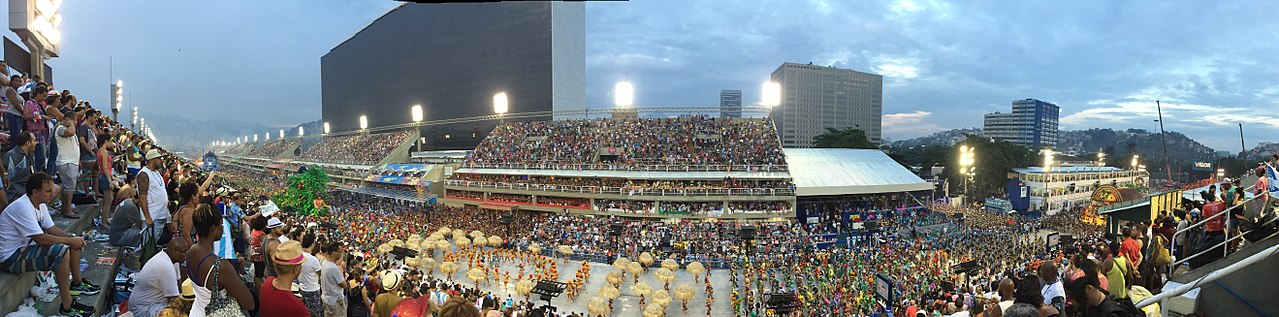
The festival has two contrasting but complementary faces. The organized side centers on samba schools—community-based ensembles that prepare year-round for the parade. These groups present elaborate themes with floats, choreographed samba and themed costumes in the purpose-built Sambadrome and other parade venues. The informal side consists of blocos and street bands: spontaneous or planned neighborhood street parties where anyone can join the dancing and singing.
- Samba school parades: competitive processions evaluated for music, choreography, floats and costumes.
- Blocos: neighborhood street groups that host open-air parties.
- Balls and events: private and public dances ranging from elegant masked balls to popular concerts.
- Costumes and masks: central visual elements—from handcrafted suits to recycled, contemporary designs.
History and development
Carnival customs in Rio developed over centuries under influences from Portuguese, African and indigenous traditions. While rites resembling modern carnival were observed earlier, first recorded celebrations in the city date back to the early 18th century. Over time the festival absorbed musical forms such as samba, which became central in the 20th century as samba schools were organized and competitions formalized. Infrastructure changes and the construction of parade venues during the late 20th century shaped the contemporary spectacle.
Importance and impacts
Rio Carnival has strong cultural, social and economic effects. It consolidates neighborhood identities through samba schools, offers large-scale employment opportunities in costume and float production, and is a major draw for domestic and international tourism. The festival serves as an annual platform for artistic innovation, political expression and communal celebration, often reflecting current social themes in its parade narratives.
Notable facts and distinctions
In addition to its size, Rio's carnival is notable for the contrast between meticulously staged samba school competitions and the freewheeling street atmosphere of the blocos. Organizers, performers and volunteers plan for months; participants range from professional musicians and dancers to casual revelers. Visitors often consult official schedules and local guides to navigate parade times, ticketed grandstand seating and the many free street parties that animate the city during the carnival season. For practical travel and event information, see local resources and official guides linked here: event overview.
Regardless of scale, the Rio Carnival remains a living cultural phenomenon that continues to evolve while maintaining deep community roots and global visibility.
Related articles
Author
AlegsaOnline.com Rio Carnival (Carnaval do Rio de Janeiro) Leandro Alegsa
URL: https://en.alegsaonline.com/art/82993
Sources
- express.co.uk : "Rio Carnival 2019: How to attend Rio Carnival – do you need tickets?"
- books.google.com : Cultural Contributions from Latin America: Tortillas, Color TV, and More