
Electronic dance music (EDM): overview, history, styles, and culture
A concise encyclopedia entry on electronic dance music (EDM): definition, common instruments and production methods, major styles, historical development, performance practices, and cultural impact.
Overview
Electronic dance music, commonly shortened to EDM and sometimes referred to as electronica or simply dance, is a broad category of music created primarily with electronic instruments and intended for dancing in social settings such as clubs, parties and festivals. It is produced in studios by composers and producers and is frequently presented to audiences by DJs and live electronic performers. The term can overlap with the wider field of electronic music, but in everyday use EDM usually emphasizes beat-driven, rhythm-focused styles designed for the dancefloor. Many listeners also encounter EDM within a nightclub or festival environment where sound systems and lighting shape the experience; see more on venues such as the modern nightclub.
Image gallery
6 Images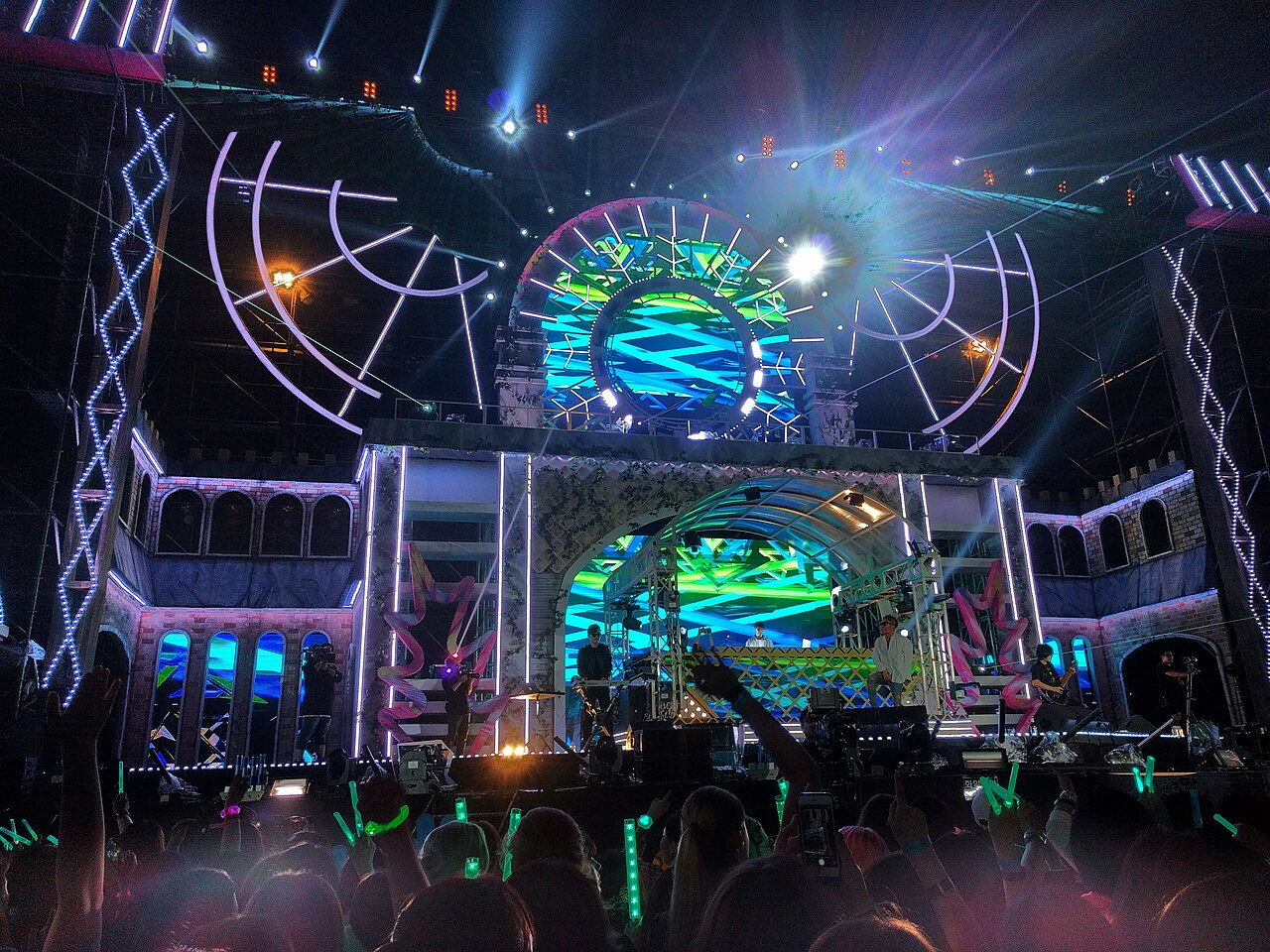


Characteristics and tools
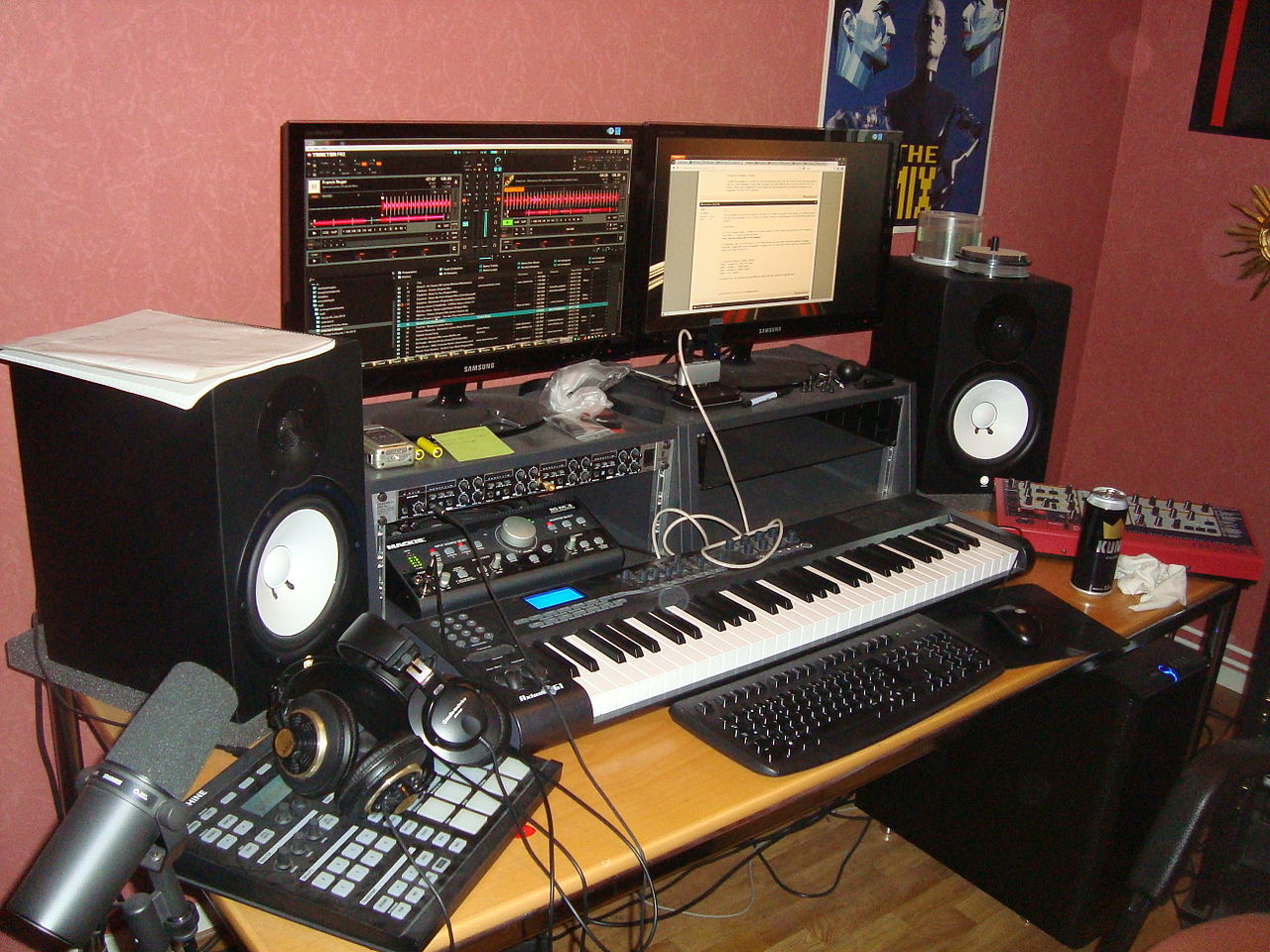
EDM is organized around steady tempos, repetitive rhythmic patterns and clear structures that support dancing. Producers rely on a combination of hardware and software to create tracks. Typical tools and elements include:
- Synthesizers for basslines, pads and leads.
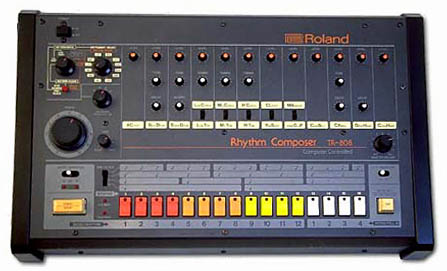
- Drum machines and sample-based percussion (classic models like the Roland TR-808 and TR-909 are often cited for their influence).
- Samplers and sequencers for arranging loops and one-shots.
- Digital audio workstations (DAWs), effects processors and MIDI controllers for composition and sound design.
- Vocal processing, sidechain compression and tempo-synced effects that shape the dynamics of a track.
Major styles and forms
EDM is not a single genre but a family of related styles. Some widely recognized forms include:
- House: steady four-on-the-floor beats, warm basslines and often soulful vocals.
- Techno: repetitive, machine-like rhythms and an emphasis on texture and rhythm.
- Trance: melodic progressions, extended build-ups and euphoric climaxes.
- Drum and bass: fast breakbeats and heavy low-frequency energy.
- Dubstep and bass music: syncopated rhythms, sub-bass emphasis and prominent drops.
Each of these has many substyles and crossovers; modern tracks frequently blend elements from multiple traditions.
History and development
The roots of EDM extend back to early electronic instruments and studio experimentation in the mid-20th century and to dance-oriented popular styles of the 1970s and early 1980s. Through the 1980s and 1990s regional club scenes and technologies shaped distinct movements: for example, house music emerged from club scenes that emphasized DJs and dancefloor culture, while techno developed around its own clubs and communities. The rise of affordable electronic instruments, sampling and home studios broadened participation; simultaneously, underground parties and raves fostered new communities. From the late 1990s onward some forms of EDM moved into mainstream pop and large-scale festival presentation, changing how the music was produced, marketed and consumed.
Performance, production and distribution
Performances range from DJ sets that mix prerecorded tracks to live electronic acts that manipulate sequences and synths in real time. Common DJ techniques include beatmatching, blending and using effects to shape transitions. In production, remix culture and collaboration are central: a single composition may exist in many versions tailored to radio, clubs or streaming. Distribution has shifted from vinyl and CDs to digital downloads and streaming platforms, while social media and online communities play a major role in discovery and scene-building. Industry formats and festival stages have also influenced how tracks are structured and promoted.
Cultural impact and distinctions
EDM has had significant influence on global pop music, club culture and audio technology. Its commercial success has sometimes drawn criticism for perceived over-commercialization, while parallel underground scenes continue to prioritize experimentation and DIY practices. It is important to distinguish EDM as a dance-oriented subset of electronic music from other electronic traditions such as academic electronic composition, ambient music or experimental synthesis. Casual usage sometimes conflates EDM with specific subgenres—people may use the word "techno" or "dance" loosely—but music scholars and practitioners typically keep these categories distinct. For further reading on related topics, see entries on dance scenes and electronic production in broader reference works.
Overall, EDM remains a diverse and adaptive set of practices defined as much by social contexts—clubs, parties, festivals and online communities—as by particular sounds or instruments. Its future developments will reflect both technological innovation and changing cultural tastes.
Questions and answers
Q: What is electronic dance music?
A: Electronic dance music (EDM) is a genre of music that is created using electronic software and machines, such as synthesizers, drum machines, keyboards, samplers, sequencers and computers. It is meant to be danced to in nightclubs, discothèques or parties.
Q: Who creates electronic dance music?
A: Electronic dance music is created by producers and composers who use electronic software and machines to make the music.
Q: What are DJs and how are they involved in electronic dance music?
A: DJs, or disc jockeys, are people who play electronic dance music in nightclubs, discothèques or parties. They use the music that has been created by producers and composers and mix it together in real-time to create a seamless dance experience.
Q: What instruments are used to create electronic dance music?
A: Electronic dance music is created using electronic software and machines, such as synthesizers, drum machines, keyboards, samplers, sequencers, and computers.
Q: What settings are electronic dance music typically played in?
A: Electronic dance music is meant to be danced to and is typically played in nightclubs, discothèques, or parties.
Q: Is techno the same as electronic dance music?
A: Techno is a subgenre of electronic dance music, but it is incorrect to use the term "techno" to describe all electronic dance music as it is a generalisation.
Q: Why is the term "techno" sometimes used to describe electronic dance music?
A: The term "techno" is sometimes used to describe electronic dance music because it is a distinguishable subgenre of EDM. However, it is partly techno's fault grammatically due to the echn part of techno looking similar to the letters edm.
Related articles
Author
AlegsaOnline.com Electronic dance music (EDM): overview, history, styles, and culture Leandro Alegsa
URL: https://en.alegsaonline.com/art/30743
Sources
- allmusic.com : "Donna Summer - Biography, Albums, Streaming Links"
- allmusic.com : "I Feel Love - Donna Summer - Song Info"
- allmusic.com : "AllMusic - Record Reviews, Streaming Songs, Genres & Bands"