
Dubstep — electronic dance music genre and culture
Dubstep is an electronic music genre originating in South London, known for heavy bass, syncopated rhythms and a range of styles from underground dub-influenced tracks to aggressive festival 'brostep'.
Dubstep is an electronic dance music style that emerged in the late 1990s and early 2000s in South London. It is characterized by strong low-frequency bass, sparse rhythmic patterns and a focus on texture and space. The term is used both for the recorded music and for the club and festival culture that surrounds it; for a concise overview see genre summary.
Image gallery
9 Images





Sound and characteristics
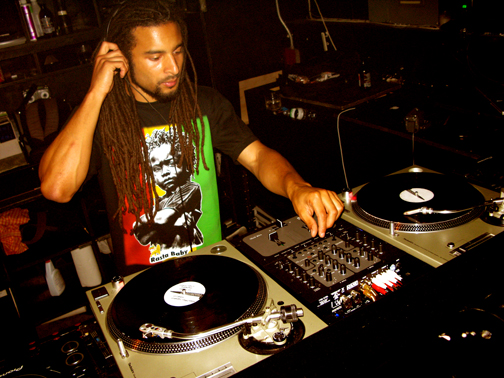
Typical dubstep tracks emphasize the sub-bass register and often combine a half-time feel with syncopation. Producers use low-frequency sine and square waves, wobbling or modulated basslines, and deep reverb to create a heavy, immersive atmosphere. Tempos are commonly around 138–142 BPM, though tempo and feel can vary widely.
- Bass: prominent sub-bass and low-end energy
- Rhythm: off-kilter, syncopated beats with emphasis on space
- Texture: use of delay, reverb and sound-design techniques
Origins and evolution
Dubstep developed from South London club scenes that mixed elements of 2-step garage, dub, reggae, drum and bass and grime. Early DJs and producers experimented with stripped-back arrangements and deep bass lines to create dark, rhythmic sets. The style gradually spread beyond its local scene and diversified into multiple substyles. Some artists retained the minimal, dub-influenced approach, while others produced louder, more aggressive variants that gained mainstream festival exposure.
Cultural impact and contexts
Dubstep has been important in club culture, radio shows, and electronic festivals. It influenced production techniques across genres and found uses in film, advertising and video games for its dramatic low-end impact. Performances range from intimate nightclub sets to large-scale festival headline shows. Artists and producers adapt dubstep elements to many contexts, creating hybrid forms and cross-genre collaborations; for examples and artist profiles see further reading.
Substyles and debates
As the scene expanded, distinctions emerged between darker, underground dubstep and a louder, more aggressive offshoot often associated with North American producers. This evolution prompted discussions about authenticity, commercialization and the term's scope. Listeners and critics continue to use ‘‘dubstep’’ to describe a family of related sounds rather than a single fixed template.
For historical background and local scenes, many accounts point to South London as a formative location; researchers and fans often reference that origin when tracing the genre's development place-based histories. Dubstep remains a living, adaptive musical form with ongoing innovation in production and performance.
Questions and answers
Q: What is dubstep?
A: Dubstep is a genre of music that originated in South London and has influences from 2-step garage, dub, drum and bass, grime, and reggae.
Q: Who is a popular dubstep producer mentioned in the text?
A: Skrillex is mentioned as a popular dubstep producer who changed the genre into something much heavier.
Q: How has the dubstep scene changed over time?
A: The dubstep scene has changed from an underground genre to a mainstream one and has been played at big festivals like Ultra Music Festival and Lost Lands.
Q: What are some characteristics of Skrillex's version of dubstep?
A: Skrillex's version of dubstep has more growls, gritty basslines, and fat sub-basses.
Q: Where did dubstep originate?
A: Dubstep originated in South London.
Q: What are some genres that influenced dubstep?
A: Dubstep was influenced by 2-step garage, dub, drum and bass, grime, and reggae.
Q: What festivals have featured dubstep music?
A: Dubstep music has been played at festivals like Ultra Music Festival and Lost Lands.
Related articles
Author
AlegsaOnline.com Dubstep — electronic dance music genre and culture Leandro Alegsa
URL: https://en.alegsaonline.com/art/29102