
Republic of Ezo
A short-lived 1869 breakaway state on Hokkaido formed by former Tokugawa retainers under Enomoto Takeaki; defeated by Imperial forces at Hakodate and absorbed into Meiji Japan.
The Republic of Ezo was a brief, self-declared polity established by supporters of the fallen Tokugawa order in northern Japan during the upheaval that accompanied the Meiji Restoration. Created by former retainers and naval officers who refused to accept the new imperial regime, it occupied parts of southern Hokkaido and presented itself as a modern-style republic distinct from both feudal domains and the centralizing Meiji state. Many of its founders were associated with the Tokugawa shogunate.
Image gallery
10 Images







Government and organization
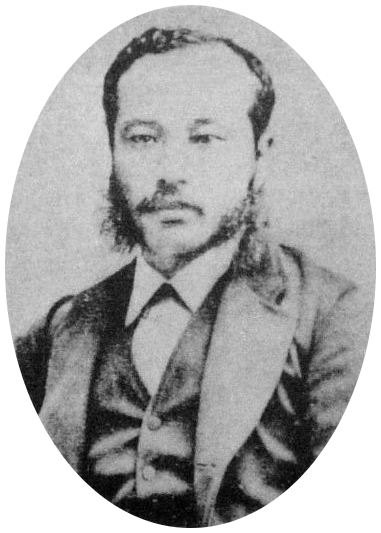
Although short-lived, the entity adopted institutions that echoed Western models: a president, a council of ministers, and civilian administration based in Hakodate. The leading figure was Enomoto Takeaki, a former Tokugawa naval commander who became the republic's chief executive. The movement combined traditional samurai leaders with naval officers who sought to preserve autonomy and create a secular, centralized administration.
History and defeat
The Republic emerged in the aftermath of the Boshin War, when remnants of Tokugawa forces retreated north rather than surrender. With limited territory and resources, it relied on coastal defenses and a small fleet. Foreign military advisors, most famously the French artillery officer Jules Brunet, assisted advisers and trained troops. Imperial forces advanced and ultimately defeated the republic's defenders in 1869 at the decisive engagements around Hakodate, bringing the rebellion to an end.
After the defeat many participants were pardoned or later integrated into the Meiji state; Enomoto himself went on to serve in the new government. The episode marked both the last organized military resistance to the Meiji regime and an early, if brief, experiment in adopting republican and Western administrative forms in Japan.
Legacy and significance
- Serves as a symbol of Tokugawa resistance and regional autonomy during the transition to modern Japan.
- Notable for having a presidential figure and civil institutions, uncommon in Japan at the time.
- Remembered in Hokkaido cultural sites and historical studies of the Meiji Restoration.
Related articles
Author
AlegsaOnline.com Republic of Ezo Leandro Alegsa
URL: https://en.alegsaonline.com/art/82231