
Radio Control (RC): Principles, Components, History and Applications
Overview of radio control systems used to operate scale models and unmanned vehicles, explaining components, operation, history, common uses, safety and regulatory considerations.
Radio control (often abbreviated RC) refers to operating a vehicle or device remotely using radio-frequency transmissions. In common hobby and professional use, RC systems allow an operator on the ground to send commands by changing a transmitter's controls; those commands travel as radio signals to an onboard receiver and are converted into motion or other actions. The term covers a wide range of platforms, from small scale model cars and boats to helicopters and full-size unmanned aerial systems. Enthusiasts most often build and pilot model vehicles such as cars, sailboats and airplanes for recreation, education and competition.
Image gallery
8 Images



Core components and how they work
A basic RC setup has a handful of standard parts that translate human input into mechanical response. The operator uses a handheld transmitter to select steering, throttle, and other functions. The transmitter encodes those choices into a radio message sent to a model's receiver. The receiver distributes signals to actuators such as servos, electronic speed controls and, where present, flight controllers.
- Servos: small electromechanical devices that move control surfaces, steering mechanisms, or linkages.
- Electronic speed control (ESC): a controller that regulates an electric motor's speed and braking characteristics.
- Motors and engines: electric motors are common in small models; internal combustion engines are still used for larger or scale replicas.
- Flight controllers and stabilizers: used in multirotors and advanced helicopters to interpret high-level commands and maintain stability.
Examples by vehicle type
Different platforms emphasize particular subsystems. On an RC car, servos typically steer while an ESC controls propulsion. Model boats use servos for rudder control and, in the case of model sailboats, for adjusting sails and rudder together; many hobby sailboats employ a dedicated sail servo and a separate rudder servo, as with some sailboats. In fixed-wing airplanes and helicopters, multiple servos manage ailerons, elevators, rudder and collective pitch. Larger models or practical systems may carry telemetry gear to send sensor data back to the operator.
History and technical development
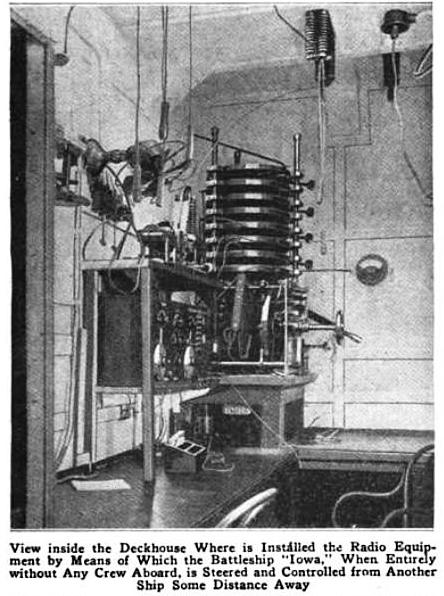
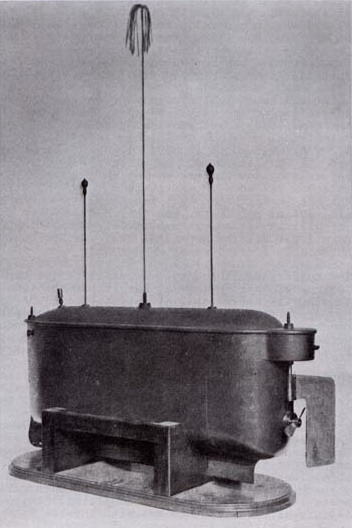
Radio control evolved from early wireless telegraphy experiments into practical remote control during the 20th century. Advances in miniaturization, battery technology and digital electronics have transformed RC from simple single-channel units to modern multi-channel, digitally encoded systems with spread-spectrum and frequency-hopping protocols. These improvements increased reliability, range and the ability to include features such as failsafe modes, programmable mixing for complex control surfaces, and first-person-view (FPV) video links.
Applications, regulation and notable distinctions
Hobby models remain the best-known RC use, but radio control also underpins professional and military applications. Small unmanned aerial vehicles (UAVs) and remotely operated surface vehicles use radio links for piloting, payload control and data exchange. Distinctions are often made between toy-grade remote controls and hobby or industrial RC: the latter use more robust transmitters, higher-quality servos and precise encoding to support advanced maneuvers and payloads.
Operators should be aware of local rules governing radio frequency use, permitted power levels and operational safety. Many countries require designated frequency bands, registration or licensing for certain classes of UAVs, and guidelines for line-of-sight operation. Responsible users follow safety practices such as range checks, preflight inspections and the use of failsafe settings to minimize the risk of interference or loss of control.
Contemporary trends and final notes
Recent developments include integration of digital communication standards, improved battery and motor efficiency, and increased use of telemetry and video for FPV experiences. Radio control remains a versatile technology: it enables education in electronics and aerodynamics, supports competitive sports, and serves practical roles in surveying, inspection and research. For specific technical details or community resources, consult manuals and authoritative sites that cover frequency allocation, model construction and local regulations.
Further reading and resources: rudder systems, engine control, and community guides on model receivers, transmitter programming and setup. See also dedicated pages on transmitter selection, typical vehicles for beginners, and safety tips for operating UAVs. Additional technical notes on sailing rigs and sailboats may help modelers refine performance. For more general context, explore articles about radio signals and the design of small helicopters and fixed-wing models.
For quickly locating spare parts, look for suppliers that stock compatible servos and ESCs, and always verify compatibility between your transmitter and receiver systems before operating. When learning, start with simpler, well-documented platforms and progress to more advanced setups as skill and understanding grow.
Related articles
Author
AlegsaOnline.com Radio Control (RC): Principles, Components, History and Applications Leandro Alegsa
URL: https://en.alegsaonline.com/art/80754