
Radioisotope thermoelectric generator (RTG)
A device that converts heat from radioactive decay into electricity using thermocouples; widely used to power spacecraft and remote systems where solar power is impractical.
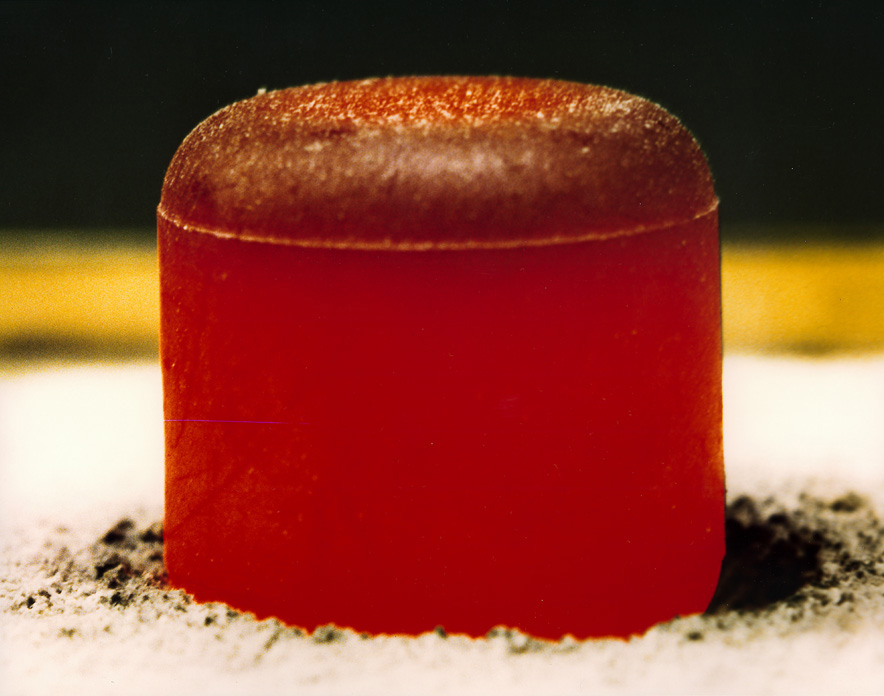
An RTG, or radioisotope thermoelectric generator, is an energy source that produces electric power from the heat released by the natural decay of a radioactive material. It relies on solid-state thermoelectric converters rather than moving parts to transform a temperature difference into electricity, so it can operate for many years with minimal maintenance. The heat source is the radioisotope, most commonly a form of plutonium used in spacecraft and some remote installations, and the underlying process is the release of energy through radioactive decay.
Image gallery
10 Images




Design and main components
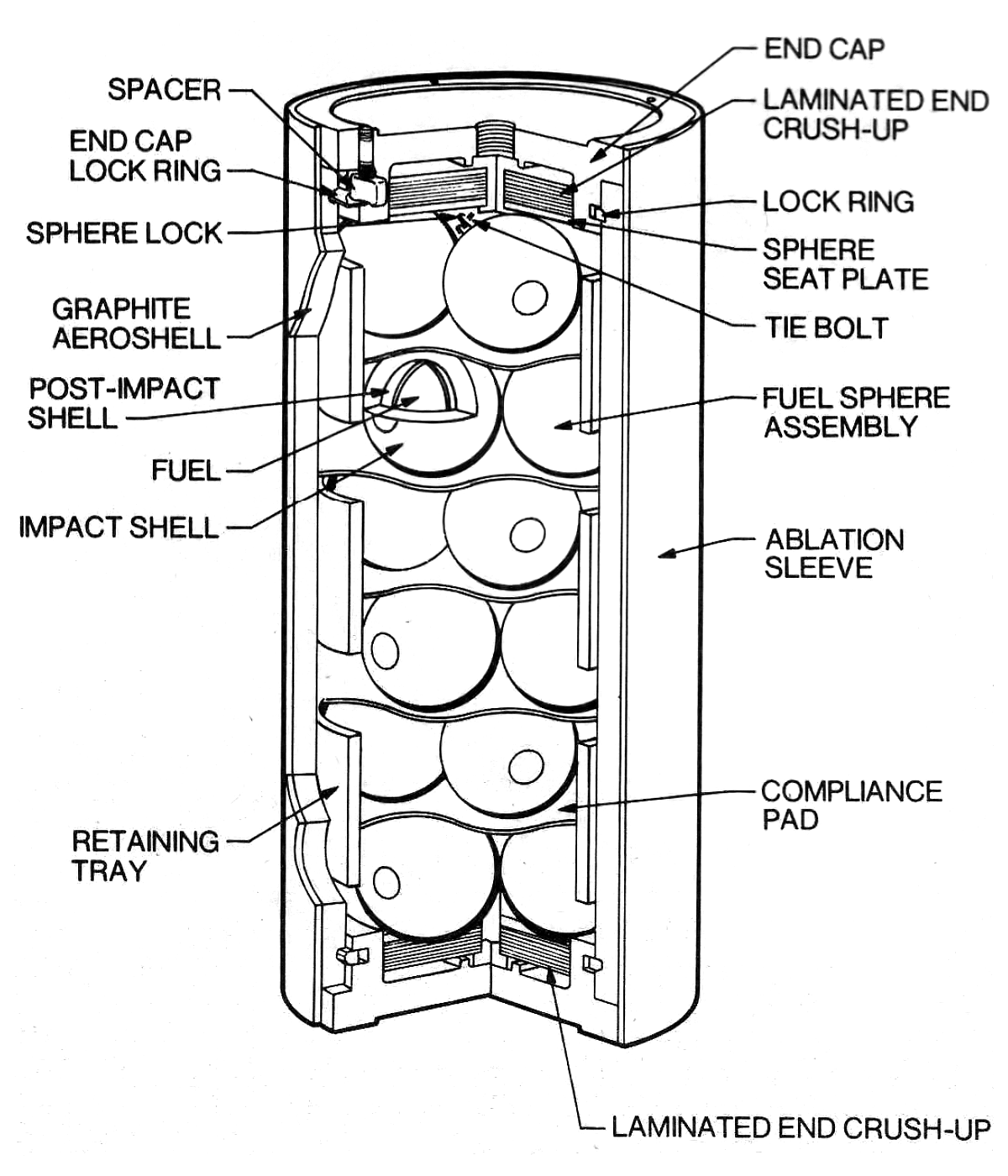
RTGs combine a radioisotope heat source with thermoelectric materials arranged as thermocouples. Key elements include:
- Fuel capsule: a sealed container that holds the radioisotope and contains radiation shielding and structural protection.
- Thermocouples: semiconductor or metal junctions that convert the temperature difference between the hot fuel and a cold sink into electric current.
- Heat radiators and insulation: components that manage the thermal gradient the device needs to work.
- Support structure and safety layers: designed to survive launch stresses and to limit radioisotope release in accidents.
History and development
RTGs were developed in the mid-20th century to provide reliable power in situations where batteries or solar panels were impractical. Early work focused on thermoelectric materials and containment methods. Over decades the mission-proven design matured, improving material life and safety. Small variants called radioisotope heater units (RHUs) provide localized heat rather than electricity and are often used alongside RTGs.
Uses and examples
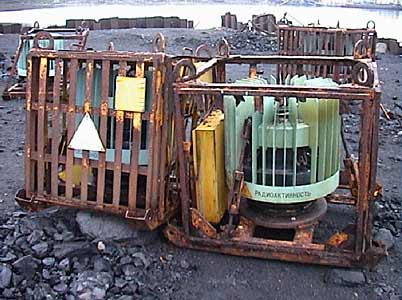
RTGs have been a staple for deep-space probes, planetary landers, and remote science stations. They are chosen when long-lived, low-maintenance power is required or where sunlight is scarce. Notable applications include interplanetary spacecraft and rovers, polar or arctic installations, and some remote unmanned systems needing continuous heat and power.
Advantages, limitations and safety
Advantages include long operational life, robustness, and lack of moving parts. Limitations are relatively low electrical conversion efficiency (typically only a few percent of the heat becomes electricity), the limited supply of suitable isotopes, and radiological safety considerations. Designs emphasize containment and regulatory controls to minimize environmental and health risks during manufacture, launch, and operation. Because of these concerns, use of RTGs is carefully regulated and usually restricted to specialized applications where benefits justify the precautions.
Related articles
Author
AlegsaOnline.com Radioisotope thermoelectric generator (RTG) Leandro Alegsa
URL: https://en.alegsaonline.com/art/80775