
Unmanned Aerial Vehicle (UAV): Definition, Types, Uses and Issues
A comprehensive overview of unmanned aerial vehicles (drones): what they are, how they work, their history, common uses, types, regulations, safety concerns and future directions.
Overview
An unmanned aerial vehicle (UAV), commonly called a drone, is an aircraft that flies without a pilot physically onboard. Control may come from an operator on the ground, from a nearby remote controller, or from software running onboard that follows a planned route. Many modern UAVs integrate an onboard computer to stabilize flight, compensate for wind and other environmental changes, and execute mission logic. When humans remain in the loop, those people act as remote pilots who supervise or override automated behavior.

Image gallery
10 Images




Key components and characteristics
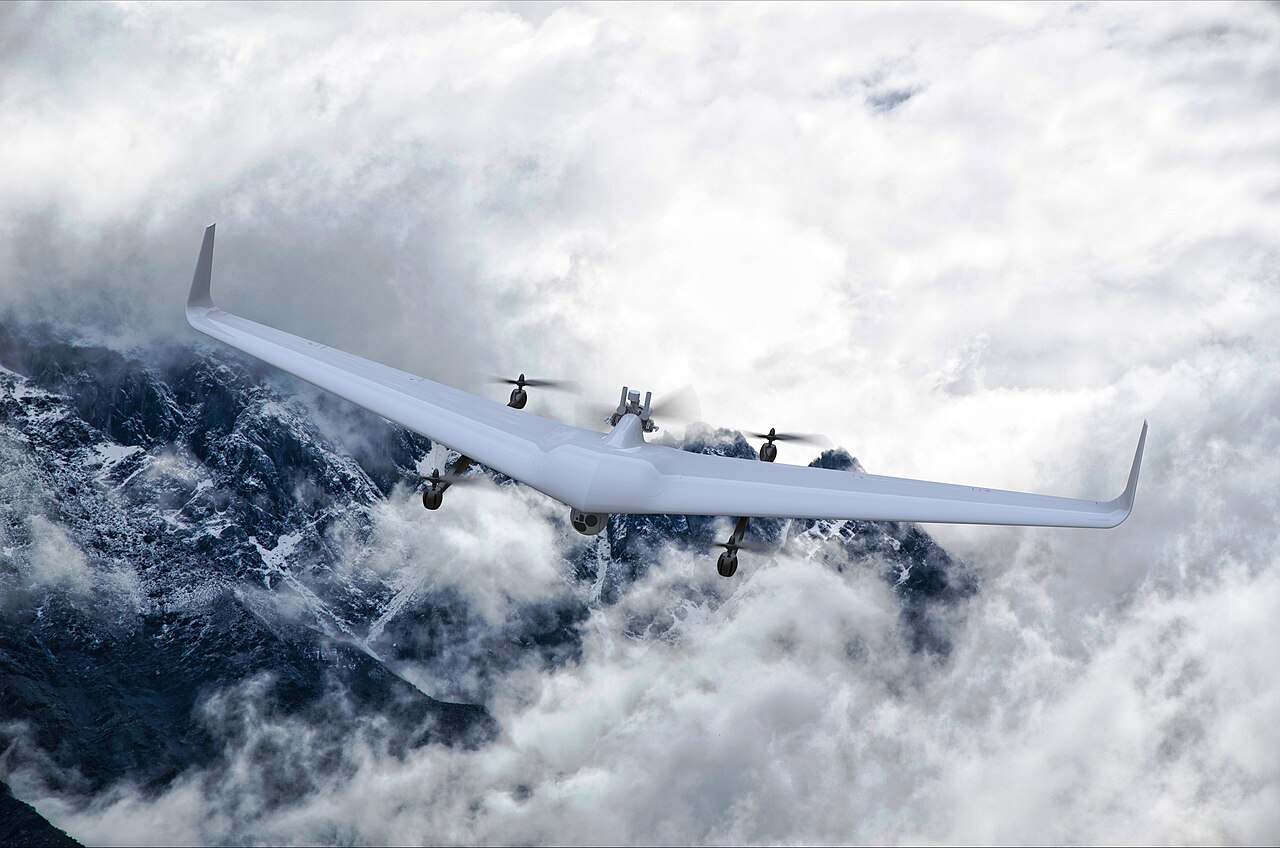
Typical UAV systems combine several elements: the airframe and propulsion, sensors and cameras, a communications link, navigation systems (often GPS) and the flight software. Designs range from tiny quadcopters and fixed-wing hobby models to large, long-endurance vehicles used for surveillance. Wingspans can vary dramatically; some platforms approach the size of conventional manned aircraft. Size, endurance, payload capacity and level of autonomy are primary characteristics that distinguish classes of UAVs.

Types and terminology
- Consumer drones: small multirotors for photography and recreation, including hobby drone racing.
- Commercial and civil UAVs: used for mapping, delivery trials by companies such as Google, agricultural monitoring, and firefighting.
- Military UAVs: from short-range reconnaissance to larger platforms capable of loitering and, in some cases, carrying weapons or munitions.
- Specialized types: fixed-wing, rotary-wing, hybrid VTOL, and expendable loitering munitions (sometimes called "kamikaze drones").
History and development
Unmanned flight has roots in early remote-control experiments and target drones used decades ago. Advances in miniaturized electronics, batteries, sensors and real-time software enabled rapid growth of small, affordable UAVs and expanded their practical roles. Improvements in machine learning and computer vision have further enhanced capabilities for autonomous navigation, object detection and tracking.

Uses and applications
UAVs serve a wide variety of uses. In civilian settings they assist with aerial photography and cinematography by mounting high-resolution cameras for aerial photography, support search and rescue teams, inspect infrastructure, monitor crops, measure environmental conditions and experiment with parcel delivery. Militaries employ UAVs for surveillance, reconnaissance, target practice and, in some cases, armed missions. Enthusiasts use small models for leisure and sport, while researchers deploy specialized drones for meteorology and scientific data gathering.

Regulation, safety and societal concerns
The rise of UAVs has prompted laws and guidelines that restrict flights near airports, crowds and sensitive sites. Privacy, noise, and safety are common public concerns: unauthorized flights can interfere with manned aircraft and raise questions about surveillance. Counter-drone technologies focus on detection and mitigation, and modern systems increasingly employ machine learning to improve civilian tracking and identification. When UAVs are used in armed roles, ethical and legal debates about accountability and remote warfare intensify.
Notable facts and further reading
Some UAVs are designed as expendable targets or munitions, while others are long-endurance platforms used for persistent observation. Photos and depictions of armed UAVs often show them launching a missile in military contexts. First encounters with drones have produced memorable reactions in many communities, including people such as the Maasai who saw a UAV for the first time. For technical resources and policy discussions, see introductory material on UAV systems and regulation from aviation authorities and specialized research groups.
For general background and related topics, explore terms such as military employment, the evolving weaponization debate, and technology trends that affect both professional operators and hobbyists.
Additional references and resources: aircraft basics, pilot training for remote operations, autonomy research at onboard system level, environmental challenges like wind, and the societal dimensions of drone adoption in civilian life.
See also technology demonstrations and industry initiatives such as the early delivery experiments by Google and the growing role of automated detection systems in public safety.
Related articles
Author
AlegsaOnline.com Unmanned Aerial Vehicle (UAV): Definition, Types, Uses and Issues Leandro Alegsa
URL: https://en.alegsaonline.com/art/103405
Sources
- bbc.co.uk : bbc.co.uk/news/technology-28964260
- washingtonpost.com : "Rogue drones a growing nuisance across the U.S."
- worldcat.org : 0190-8286