
Transmitter (electronic signal transmitter)
A transmitter is an electronic device that generates and radiates signals—typically radio waves—by converting electrical power into a carrier wave and imprinting information using modulation.
Overview
In electronics, a transmitter is equipment that generates and sends signals, most often as radio waves, so that information can be conveyed to a receiver. Transmitters appear in many forms—from simple low‑power beacons to complex broadcast stations and satellite uplinks—and are a core element in wireless communication systems.
Image gallery
10 Images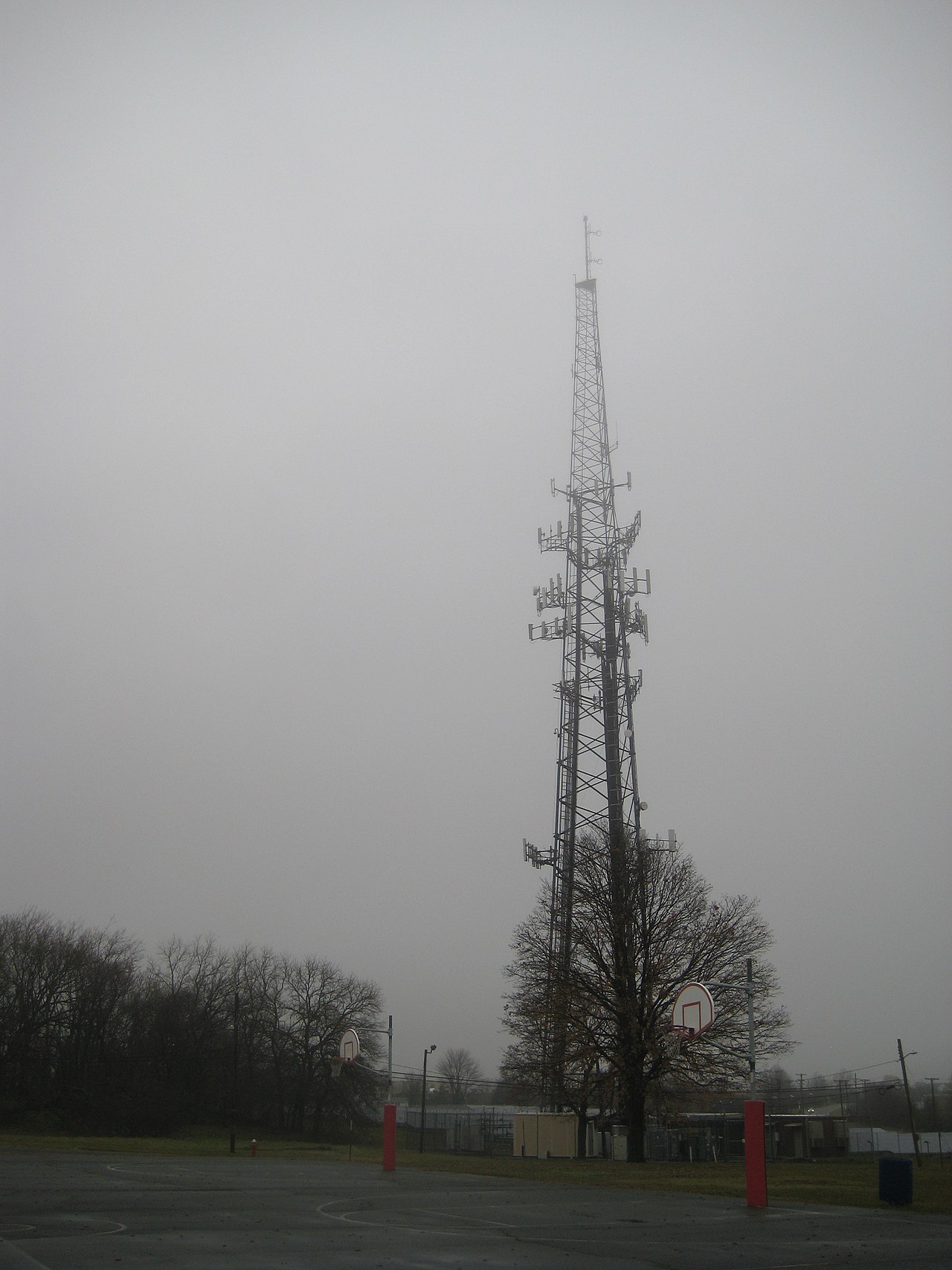

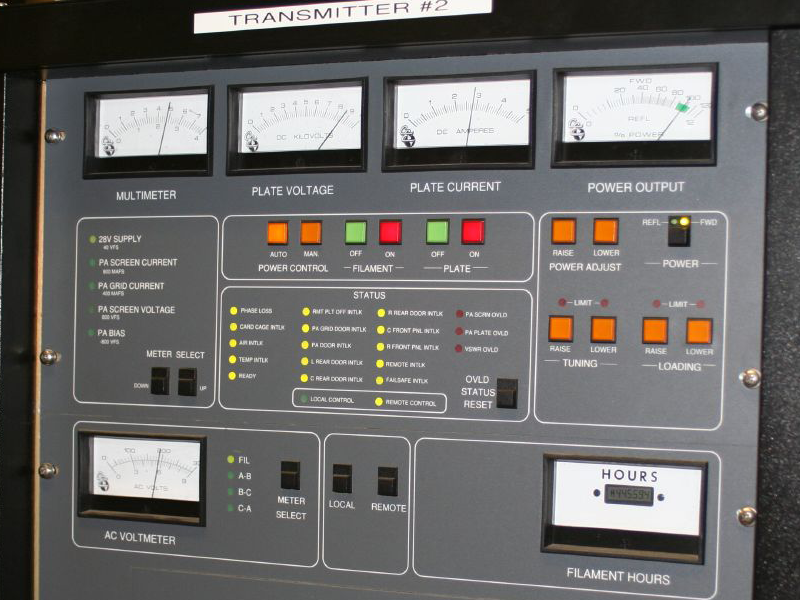


How a transmitter works
The basic function of a transmitter is to take electrical energy and produce an oscillating waveform at a desired frequency. Practically, this involves converting direct current power into an alternating waveform at the carrier frequency (an alternating current). Frequency references such as a quartz crystal or a synthesized oscillator are often used to stabilize the carrier. A modulator then alters one or more properties of the carrier—amplitude, frequency or phase—to encode the information (audio, video, data) before the antenna radiates the signal.
Typical components
- Oscillator: creates the carrier at the required frequency.
- Modulator: applies the information onto the carrier (for example amplitude modulation or frequency modulation).
- Amplifier: raises signal power to the desired transmission level.
- Antenna and matching network: transfer energy efficiently into free space.
Types and modulation
Transmitters are classified by purpose and technique. Common analog methods include AM and FM, while modern systems use digital modulation (PSK, QAM, OFDM) and spread‑spectrum techniques for increased capacity and robustness. Specialized transmitters operate in optical, ultrasonic, or microwave bands depending on application.
Uses and examples
- Broadcast radio and television stations that serve wide audiences.
- Two‑way radios, cellular base stations, and Wi‑Fi access points for local communication.
- Satellite and deep‑space transmitters for long‑range links.
- Telemetry, navigation beacons, and remote controls in industrial, aviation, and consumer contexts.
History and practical notes
Early wireless transmitters were developed during the late 19th and early 20th centuries and evolved from spark and spark‑gap devices to continuous‑wave oscillators and vacuum‑tube transmitters. Today’s transmitters use solid‑state electronics and digital processing. Regulatory bodies allocate frequency bands and control permitted power levels to prevent interference and ensure coexistence among many users. A related term, transceiver, denotes equipment that both transmits and receives but a dedicated transmitter only sends.
For further technical details and standards, see introductory texts and online resources on radio engineering and communications technology (electronics overview, radio wave fundamentals, power conversion basics, AC waveforms, frequency control, FM principles, AM principles).
Related articles
Author
AlegsaOnline.com Transmitter (electronic signal transmitter) Leandro Alegsa
URL: https://en.alegsaonline.com/art/101180