
QNX: a microkernel real-time operating system for embedded devices
QNX is a Unix-like real-time operating system built on a microkernel. It is widely used in automotive, medical, industrial and consumer embedded systems for its determinism, modularity and reliability.
Overview
QNX is a Unix-like, real-time operating system designed for embedded platforms. Its core design emphasizes determinism, reliability and small footprint. The commonly referenced product family is QNX Neutrino; it implements POSIX-like APIs and supports multi-threading, priority scheduling and interprocess communication suited to time-sensitive applications. For technical and product materials consult official resources.
Image gallery
1 Image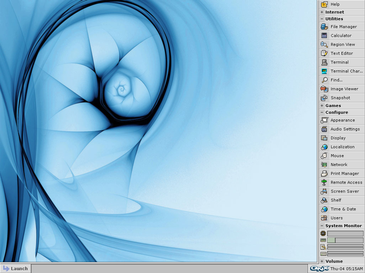
Architecture and characteristics
Unlike monolithic kernels, QNX uses a true microkernel: the kernel implements only essential services such as low-level scheduling, interrupt handling and minimal interprocess communication. Higher-level services—file systems, network stacks, device drivers and user sessions—run as separate processes (servers or daemons) outside the kernel. This separation reduces the risk that a single faulty driver will crash the entire system and makes it easier to update or replace components without rebuilding the kernel.
- Real-time scheduling and predictable latency
- Modular server-based services for fault isolation
- Message-passing IPC for tight, low-overhead communication
- Commercial support, development tools and POSIX compatibility
History and development
QNX was created in the early 1980s by developers who aimed to bring real-time capabilities and reliability to microcomputers. Over decades it evolved from hobbyist roots into a commercially supported embedded operating system used across industries. In the 2000s the platform gained visibility through adoption in consumer and mobile products; several smartphone and tablet efforts used QNX-based software stacks—see examples including some BlackBerry devices. QNX continues to be developed commercially with regular updates and toolchains for embedded engineers.
Uses, examples and notable advantages
QNX is deployed where predictable behavior and uptime are critical. Common sectors include automotive infotainment and instrument clusters, medical equipment, industrial controllers, telecommunications and other embedded appliances. Its microkernel model and safety-oriented offerings make it attractive in environments that require certification or strong fault containment.
Developers typically use vendor-provided SDKs and integrated development environments to build, debug and profile QNX systems. Target platforms range from resource-constrained controllers to powerful in-vehicle computers and industrial boxes. For information on supported embedded platforms and ecosystems consult embedded platform guides.
Related articles
Author
AlegsaOnline.com QNX: a microkernel real-time operating system for embedded devices Leandro Alegsa
URL: https://en.alegsaonline.com/art/80341
Sources
- cseweb.ucsd.edu : "An Architectural Overview of QNX®"