
QRpedia: multilingual access to Wikipedia via QR codes
QRpedia is a web service that uses QR codes and device language settings to deliver Wikipedia articles in the visitor’s preferred language, commonly used by museums, heritage sites and cultural institutions.
Overview
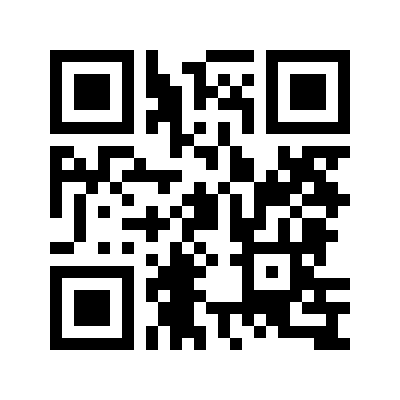
QRpedia is a server-based system that connects QR codes to Wikipedia content and delivers articles in the language preferred by the mobile user. When a visitor scans a QR code that encodes a QRpedia link, the service selects the appropriate language version of a Wikipedia article (when available) and displays it on the visitor’s device. The goal is to provide multilingual, on-demand access to encyclopedic information without requiring separate printed labels or translations.
Image gallery
10 Images


How it works
The core mechanism relies on the mobile browser’s language preference and Wikipedia’s content availability. A QR code points to the QRpedia service rather than directly to a single language page; the service checks the device’s language settings (for example, Accept-Language) and then retrieves or redirects to the matching Wikipedia article. If the requested language is not available, users are offered a choice of languages or the default article.
Characteristics and features
- Multilingual delivery: automatic selection of a language edition when present.
- Device-agnostic: works with common smartphone browsers and QR code scanners.
- Analytics-friendly: operators can collect usage statistics to learn which languages and articles are most accessed.
- Simple workflow: institutions generate QR codes that link to an article identifier rather than multiple language-specific URLs.
History and development
QRpedia was developed to help cultural institutions offer richer, multilingual information about exhibits without producing many printed translations. It was created in 2011 by Roger Bamkin and Terence Eden and was first deployed at a museum in the United Kingdom. The service leverages Wikipedia’s open content as the source of articles and interacts with Wikipedia APIs to locate the best language match for each visitor.
Uses and examples
Museums, galleries, historic sites, libraries and tourist attractions use QRpedia to enhance interpretation for international visitors. A single label or exhibit placard can serve speakers of many languages: scanning the code provides immediate, on-screen context, further links, and multimedia where available on Wikipedia. Beyond cultural sites, the approach has seen occasional use in community projects and educational programs to encourage exploration of related Wikipedia pages.
Notable distinctions
QRpedia differs from a simple QR-to-URL solution by offering automatic language negotiation and by acting as an intermediary that can present alternatives when a direct translation is missing. Because it relies on Wikipedia, the breadth and depth of information depend on which language editions have developed articles on a given subject. For more about Wikipedia and its multilingual content, see Wikipedia.
Related articles
Author
AlegsaOnline.com QRpedia: multilingual access to Wikipedia via QR codes Leandro Alegsa
URL: https://en.alegsaonline.com/art/80348
Sources
- shkspr.mobi : "Introducing QRpedia"
- childrensmuseum.org : "The Children's Museum of Indianapolis Creates New Learning Opportunities through Wikipedian-in-Residence"
- midea.nmc.org : "Going Multilingual with QRpedia"
- qrwp.org : "QRpedia Statistics (example)"
- uk.wikimedia.org : "Board"
- imperica.com : "Quiet Realities"
- uk.wikimedia.org : "Derby Backstage Pass"
- code.google.com : "qrwp - QR Redirection to Wikipedia"
- theglamwikiexperience.blogspot.com : "QRpedia Codes at Fundació Joan Miró"
- nationalarchives.gov.uk : "New collaboration between Wikimedia UK and The National Archives"
- shkspr.mobi : "National Archives and QRpedia"
- smartukproject.co.uk : "Become an instant expert with a little help from your mobile"
- monmouth-today.co.uk : "Monmouth to be Wales' first WiFi town"
- wedontmakedemands.org : "We Don't Make Demands: Posters"