
QuickTime
QuickTime is Apple’s multimedia architecture and player for handling digital video, audio, images, animation and interactive panoramas, known for the .mov container and extensible codec support.
Overview
QuickTime is a multimedia framework and set of applications developed by Apple Inc. to create, play and manipulate digital media. It provides a runtime, file formats and APIs that let software handle video, audio, text, animation and interactive panoramic images. The platform is commonly associated with the .mov container and a range of codecs that permit playback, editing and export of media on macOS and, historically, on other platforms.
Image gallery
2 Images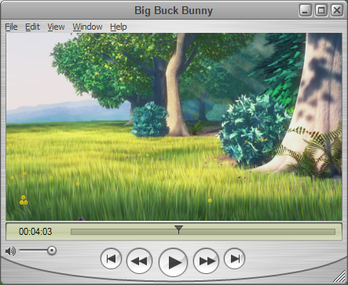

Features and components
QuickTime combines several pieces of functionality that can be used separately or together. Key components include:
- QuickTime Player — the end-user application for playback, simple editing and export.
- QuickTime Framework — system libraries and programming interfaces used by other applications to decode, render and stream media.
- Codec support — an extensible set of audio and video codecs (for example legacy codecs like Sorenson and later support for MPEG-4/H.264) that determine compression and quality.
- File formats — chiefly the QuickTime File Format (.mov and .qt), a container that can hold multiple tracks and timed media.
History and development
Introduced in the early 1990s, QuickTime was one of the first consumer multimedia systems to integrate synchronized audio and video on desktop computers. Over time Apple expanded the architecture to support higher-quality codecs, streaming, editing features and interactive panoramic content (branded QuickTime VR). The product evolved with macOS and received redesigned players and APIs in later releases.
Uses and importance
QuickTime has been widely used for desktop video playback, media creation workflows and as a backend for other applications. Its container format and codec support made it popular in professional video production and educational multimedia. On macOS the built-in player and frameworks remain convenient for quick previewing and simple edits, while developers use the libraries to add media features to apps.
Notable distinctions and considerations
The QuickTime File Format influenced later containers (including formats used with MPEG-4). Apple has shifted platform strategies over time, and some legacy components were deprecated on non-Apple systems for security and maintenance reasons. For current production work, users and developers weigh available codecs, platform support and modern alternatives when choosing tools for encoding, playback and distribution.
Related articles
Author
AlegsaOnline.com QuickTime Leandro Alegsa
URL: https://en.alegsaonline.com/art/80542