
Pseudomonas aeruginosa: biology, clinical impact and control
An overview of Pseudomonas aeruginosa, a Gram-negative opportunistic bacterium known for environmental persistence, biofilm formation, virulence factors and multidrug resistance in healthcare settings.
Overview — Pseudomonas aeruginosa is a Gram-negative, rod-shaped bacterium commonly found in soil, water and moist environments. It is an opportunistic pathogen that causes a wide range of infections in people with weakened host defenses. The organism is notable for producing colored pigments (most famously pyocyanin) and a characteristic grape-like odor when cultured. Its environmental versatility and intrinsic tolerance to many antimicrobials make it a frequent cause of healthcare-associated infections.
Image gallery
10 Images

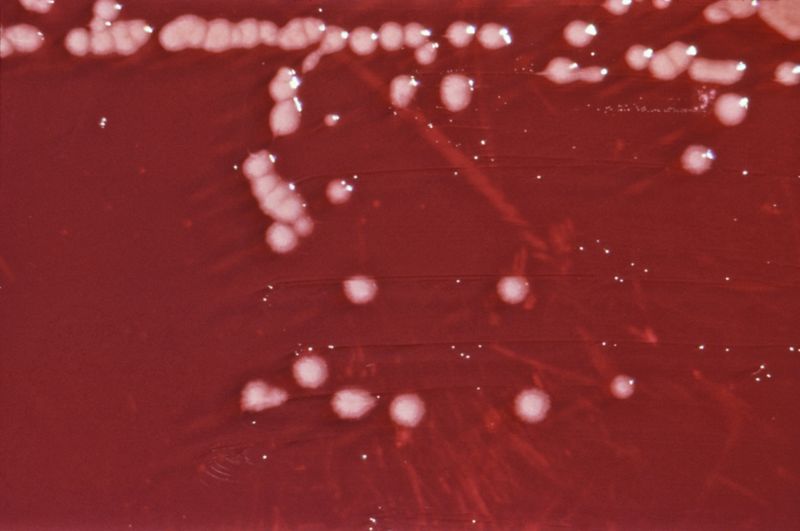


Characteristics and virulence
P. aeruginosa is aerobic but can grow under low-oxygen conditions, is motile by polar flagella, and forms robust biofilms on surfaces and medical devices. Key virulence determinants include exotoxin A (which inhibits protein synthesis), elastases, proteases and factors that damage host tissues. Cell-to-cell signaling (quorum sensing) coordinates expression of many virulence traits. The species also has an impermeable outer membrane, active efflux pumps and enzymes such as beta-lactamases that contribute to multidrug resistance.
History and taxonomy
The bacterium was recognized as a distinct pathogen in the late 19th century. Its name reflects its cell shape and the distinctive blue-green pigments produced on laboratory media. Over time it has been grouped in the Pseudomonas genus and remains a subject of taxonomic and genomic study as researchers map strain diversity and adaptive traits.
Clinical importance
P. aeruginosa causes infections of the respiratory tract (including ventilator-associated pneumonia and chronic lung infection in cystic fibrosis), bloodstream infections, urinary tract infections, wound and burn infections, otitis externa and corneal ulcers. It disproportionately affects hospitalized patients, those with indwelling devices, and immunocompromised individuals. For clinical guidance and public health priorities see risk to immunocompromised patients and surveillance resources such as healthcare infection reports.
Treatment, resistance and prevention
Therapeutic options are limited when strains are multidrug resistant. Mechanisms of resistance include efflux systems, enzymatic degradation of drugs, reduced membrane permeability and target changes. Because of these challenges the organism appears on the WHO critical priority list for new antibiotics. Management relies on combination antimicrobial therapy when possible, antimicrobial stewardship, strict infection-control measures, and attention to environmental reservoirs such as sinks and respiratory equipment. For more on resistance mechanisms consult antimicrobial resistance resources.
Research, ecology and notable facts
- P. aeruginosa is a model organism for studying biofilms and quorum sensing in microbiology research.
- It can survive in low-nutrient settings and colonize hospital plumbing and devices, complicating eradication.
- Diagnostic labs often note its pigments and distinctive odor; confirmatory testing uses biochemical or molecular methods (see historical and taxonomic references).
Because of its environmental ubiquity, adaptability and capacity for resistance, Pseudomonas aeruginosa remains an important focus of clinical care, infection prevention and drug-development efforts worldwide.
Related articles
Author
AlegsaOnline.com Pseudomonas aeruginosa: biology, clinical impact and control Leandro Alegsa
URL: https://en.alegsaonline.com/art/79818