
Pseudosuchia (crocodile-line archosaurs)
Pseudosuchia are the crocodile-line archosaurs, a major archosaur clade that includes living crocodilians and a diverse suite of extinct Triassic relatives distinguished by a characteristic ankle and varied ecologies.
Pseudosuchia is the name given to the branch of archosaurs more closely related to modern crocodilians than to birds. The group includes all living crocodilians and a range of extinct relatives often described as "crocodile-line archosaurs." Pseudosuchians are one of the two principal lineages within the larger clade Archosauria, the other being the bird- and dinosaur-line (avian-line) archosaurs.
Image gallery
10 Images

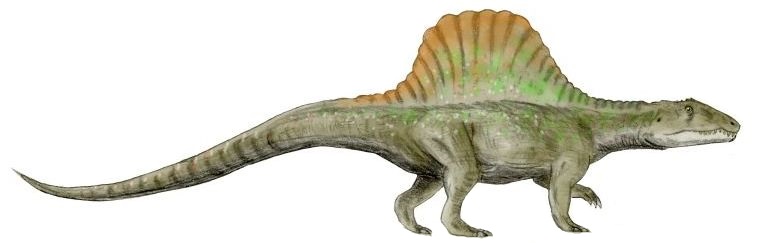


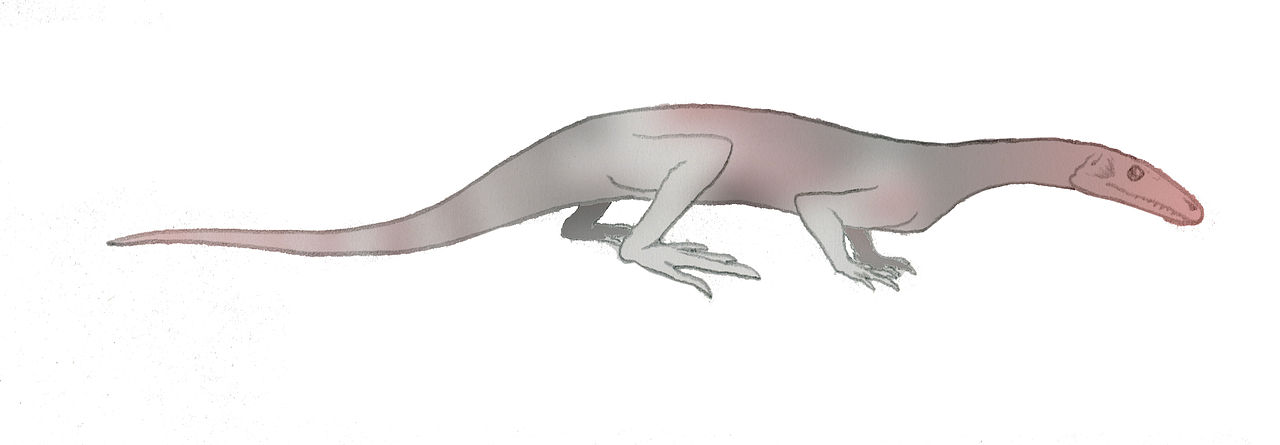
Key characteristics
Pseudosuchians are commonly recognized by a suite of anatomical traits, most notably the structure of the ankle joint. Many possess the so-called "crocodile-normal" ankle, a complex joint between the astragalus and calcaneum that allowed a range of limb postures and movements. Other frequent features include dermal armor (osteoderms) along the back, varied skull shapes with robust jaws, and limb proportions that reflect diverse lifestyles. These traits, taken together with skeletal details, distinguish pseudosuchians from the avian-line archosaurs.
Evolution and fossil record
Pseudosuchians first diversified in the Triassic period and achieved remarkable ecological variety by occupying terrestrial, semi-aquatic, and armored herbivorous niches. Many early lineages reached large body sizes and served as top predators in Triassic ecosystems. Following the end-Triassic extinction, much of their diversity declined, but a subgroup, the crocodylomorphs, gave rise to the ancestors of modern crocodilians that persist today.
Diversity and representative groups
- Aetosaurs: heavily armored, herbivorous pseudosuchians with broad bodies and elaborate osteoderms.
- Rauisuchians and related predators: large, often cursorial predators occupying apex roles in many Triassic faunas.
- Phytosaurs: superficially crocodile-like, long-snouted semiaquatic reptiles common in late Triassic deposits.
- Crocodylomorphs: the lineage that survived into the Jurassic and Cretaceous and eventually produced living crocodilians.
Importance and distinctions
Studying pseudosuchians illuminates early archosaur evolution, the origin of crocodilian anatomy, and how major vertebrate groups responded to mass extinctions and environmental change. The informal name "false crocodiles" reflects their superficial resemblance to modern crocodiles while emphasizing their phylogenetic position relative to birds. Many important fossil localities yielding pseudosuchian remains date to the Triassic, a time when these animals were especially diverse and ecologically influential.
Ongoing fossil discoveries and phylogenetic analyses continue to refine the boundaries and internal relationships of Pseudosuchia, highlighting a clade that was once ecologically dominant and remains crucial for understanding the deep history of archosaurs.
Questions and answers
Q: What is Pseudosuchia?
A: Pseudosuchia is a major division of archosaurs which includes living crocodilians and crocodile-line archosaurs.
Q: What are crocodile-line archosaurs?
A: Crocodile-line archosaurs are archosaurs more closely related to crocodiles than to birds.
Q: Is Pseudosuchia a daughter clade of Archosauria?
A: Yes, Pseudosuchia is one of the two "daughter" clades of the Archosauria.
Q: Are prehistoric reptiles included in Pseudosuchia?
A: Yes, a group of prehistoric reptiles from the Triassic period that are superficially crocodile-like are included in Pseudosuchia.
Q: Are the prehistoric reptiles living relatives of crocodiles?
A: The prehistoric reptiles are relatives of living crocodiles, but more distant than the archosaurs.
Q: When did the Triassic period occur?
A: The Triassic period occurred approximately 252 to 201 million years ago.
Q: Are birds included in Pseudosuchia?
A: No, birds are not included in Pseudosuchia.
Related articles
Author
AlegsaOnline.com Pseudosuchia (crocodile-line archosaurs) Leandro Alegsa
URL: https://en.alegsaonline.com/art/79824
Sources
- pnas.org : pnas.org/content/107/15/6721.abstract