
Puberty: Biological changes, timing, development and social aspects
Puberty is the developmental stage when a child's body matures into an adult body capable of reproduction. This article explains biological processes, typical changes, timing, health issues and social effects.
Overview
Puberty is the period of physical and physiological change when a child’s body develops toward adult form and reproductive capability. It involves coordinated signals from the brain and glands that change growth patterns, body composition, and sexual organs. Puberty marks a key phase of maturation, but legal definitions of adulthood and cultural celebrations that mark coming-of-age are separate from the biological process.
Image gallery
7 Images




How puberty begins and the role of hormones
The process is initiated by the central nervous system: the hypothalamus increases secretion of gonadotropin-releasing hormone (GnRH), which prompts the pituitary gland to release luteinizing hormone (LH) and follicle-stimulating hormone (FSH). These pituitary hormones stimulate the gonads (ovaries or testes) to produce sex steroids—mainly estrogens and progesterone in people assigned female at birth, and testosterone in people assigned male at birth. These chemical messengers, often called hormones, coordinate growth, the development of sex-specific traits, and fertility-related changes such as menstruation and sperm production.
Typical timeline and variation
There is wide individual variation in timing. Puberty commonly begins in late childhood or early adolescence; girls often start earlier than boys. Onset is influenced by genetics, nutrition, body fat, overall health, and environmental factors. Because the rate and timing differ, some children develop earlier or later than peers; medical evaluation may be recommended if changes begin much earlier or later than expected.
Physical changes and common signs
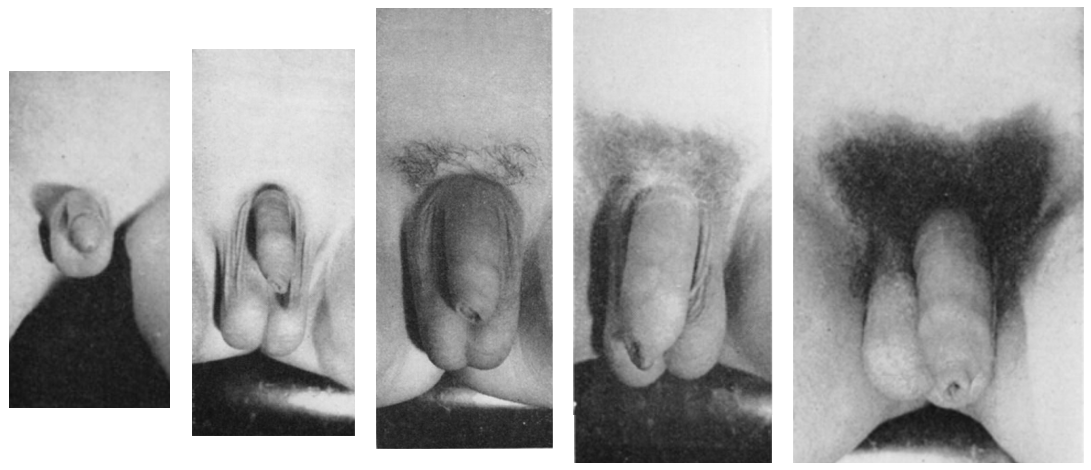
Changes occur in multiple systems. Primary reproductive organs grow and mature, while secondary sex traits emerge. Common changes include:
- Growth spurt: rapid increase in height and changes in body proportions.
- Reproductive maturation: enlargement and maturation of the sex organs, onset of menstruation (menarche) in many girls, and first production of sperm (spermarche) in many boys (sperm).
- Secondary sex characteristics: development of features such as pubic and underarm hair, facial hair in many boys, and breast development in many girls (breasts)—collectively called secondary sex characteristics.
- Changes in sexual function: increased capacity for sexual arousal and release; males often experience ejaculation, which may include semen leaving the penis during sexual arousal or sleep.
- Skin and hair: increased oil production can cause acne and coarser body hair.
Emotional, cognitive and social effects
Puberty coincides with substantial brain development that affects emotion regulation, risk perception, and social cognition. Teenagers often experience mood swings, stronger emotional responses, growing interest in sexual relationships, and evolving identity. Schools, families, and health services commonly provide education about consent, contraception, and sexually transmitted infection prevention because physical maturity does not always imply readiness for sexual relationships.
Health considerations and cultural aspects
During puberty people may need guidance on hygiene, nutrition, sleep, mental health, and reproductive health. Irregularities such as very early or late onset, extreme growth problems, severe acne, or distress about body changes can merit medical attention. Around the world, many societies recognize puberty with cultural rites of passage; legal age thresholds for responsibilities and rights (such as voting or marriage) are typically defined separately from biological puberty.
For general background or further reading on particular points in this summary, see linked entries on puberty-related topics: pregnancy and fertility, sexual intercourse, and resources focused on physical development and wellbeing (sexual function, semen, external anatomy, overview, endocrine control, reproductive organs, secondary traits, breast development, menstruation, spermatogenesis).
If you have medical questions about puberty, consult a qualified health professional. This article gives a general overview and is not a substitute for personalized medical advice.
Questions and answers
Q: What is puberty?
A: Puberty is the process in which children's bodies change into adults. It is started by hormones, and includes physical changes such as sex organs growing bigger, hair appearing on the body, and growing taller and stronger.
Q: When does puberty typically start for girls?
A: On average, girls start puberty at age 10 or 11.
Q: When does puberty typically start for boys?
A: On average, boys start puberty at age 11 or 12.
Q: What are secondary sex characteristics?
A: Secondary sex characteristics are physical changes that occur during puberty such as boys' voices getting deeper and girls growing breasts and starting to menstruate (have periods).
Q: How can a boy make a girl pregnant after he has gone through puberty?
A: After he has gone through puberty, a boy's body begins making sperm, and he starts to be able to ejaculate semen from his penis when he is sexually excited. If he has sexual intercourse (sex) with a girl, he can make her pregnant.
Q: Why is reaching the stage of being able to make children seen as important?
A: Because it marks an important milestone in life where one becomes an adult capable of creating new life. Therefore people in many countries around the world have different ways of marking this event.
Tags
Related articles
Author
AlegsaOnline.com Puberty: Biological changes, timing, development and social aspects Leandro Alegsa
URL: https://en.alegsaonline.com/art/79889
Sources
- ac.wwu.edu : "Culture and Adolescent Development [Unit 11, Chapter 2]"
- faqs.org : "Puberty" · archive.org