
World Health Organization
United Nations specialized agency for international public health, founded in 1948 and based in Geneva. Coordinates disease surveillance, standards, vaccination programs, emergency response, and global health policy.

The World Health Organization (WHO) is the United Nations specialized agency tasked with directing and coordinating international health within the UN system. Established on April 7, 1948, WHO's headquarters are in Geneva, and it is universally recognized as the lead global body for public health. It operates as part of the broader United Nations framework and promotes initiatives such as World Health Day, observed each year on April 7.
Image gallery
10 Images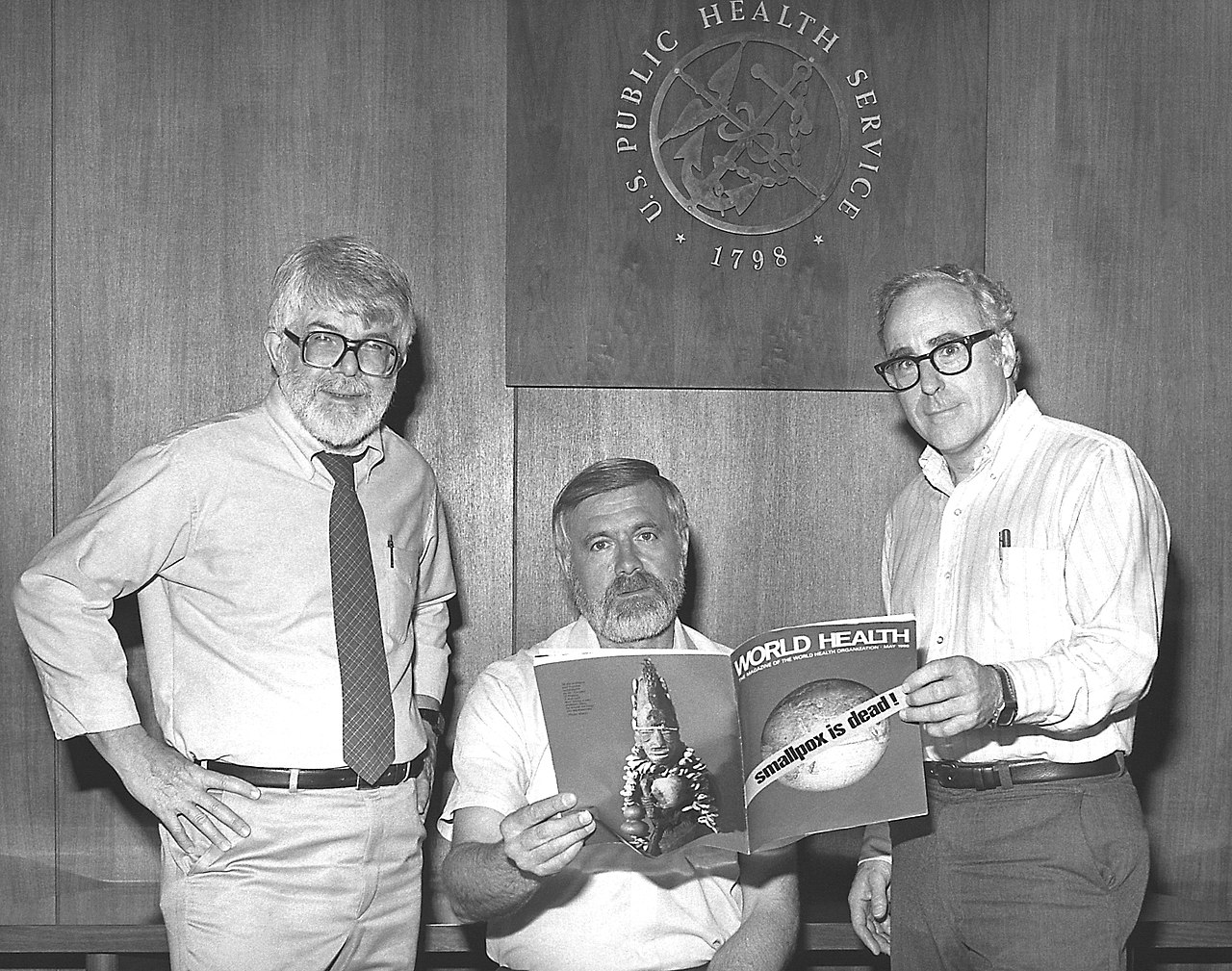


Mandate and functions
WHO's core mission is to promote health, keep the world safe, and serve the vulnerable. Its activities include setting international norms and standards, issuing technical guidance on clinical and public health practice, conducting disease surveillance, coordinating responses to health emergencies, and supporting national health systems. WHO produces widely used classifications and guidelines and advises governments on public health policy and priorities. It also works on prevention and control of communicable and noncommunicable diseases and on health promotion.
Organization and components
The governance of WHO comprises the World Health Assembly (its decision-making body), the Executive Board, and the Secretariat that implements policies. The agency maintains a global network of regional and country offices to adapt guidance to local needs; these regional offices coordinate surveillance, technical cooperation, and capacity building. WHO's technical work often involves epidemiology and laboratory collaboration to track outbreaks and inform interventions, building on long-standing epidemiology programs.
Major programs and impact
Historically, WHO has led and supported major international efforts such as the global smallpox eradication campaign and widespread immunization initiatives. It coordinates emergency response to disease outbreaks, issues declarations to mobilize global action, and supports vaccine-preventable disease programs, maternal and child health, and noncommunicable disease prevention. WHO also issues guidance on health system strengthening, essential medicines, and workforce training.
Funding, partnerships and debates
WHO is financed by assessed contributions from its member states and voluntary donations from governments and other partners. It works closely with national health ministries, international organizations, research institutions, and civil society. As a central authority in global health, WHO has been praised for coordination and technical leadership and has also faced scrutiny and calls for reform regarding the speed and scale of some emergency responses. Its role continues to evolve amid changing global health challenges and scientific advances.
Further information
- Mandate and structure: see the UN relationship and institutional bodies (UN, Geneva).
- Public health focus and technical work: public health programs and guidelines.
- Historical roots and surveillance: early epidemiology efforts and ongoing disease tracking (epidemiology).
- Public outreach and awareness: World Health Day events and campaigns; country coordination information (Switzerland).
Related articles
Author
AlegsaOnline.com World Health Organization Leandro Alegsa
URL: https://en.alegsaonline.com/art/109088