
Pseudomonas: ecology, biology, and clinical relevance
Pseudomonas is a diverse genus of gram-negative bacteria found in soil, water, plants and animals; it includes opportunistic human pathogens, plant-beneficial strains, and species used in bioremediation and biotechnology.
Overview
Pseudomonas is a genus of gram-negative, rod-shaped bacteria in the class Gammaproteobacteria. Members of the genus are metabolically versatile and occur widely in natural and human-made environments. The group sits within the family Pseudomonadaceae and contains many named species, some of which are harmless environmental organisms while others are opportunistic pathogens.
Image gallery
7 Images
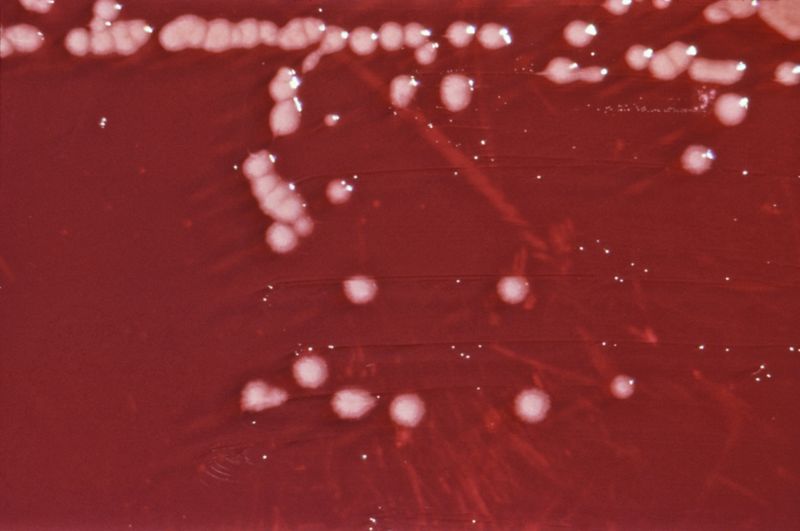


Characteristics
- Cell form: typically straight rods, often motile by one or more polar flagella.
- Metabolism: mainly aerobic but capable of diverse respiratory and catabolic pathways; many species do not ferment sugars.
- Biochemical markers: oxidase-positive and catalase-positive in many clinically important species.
- Pigments: several species produce colored metabolites (for example blue-green pigments in certain strains) that can be useful diagnostically.
Habitat, ecology and diversity
Pseudomonads are ubiquitous in soil, freshwater and marine environments and colonize plant and animal surfaces and tissues. They play roles in nutrient cycling, degradation of organic compounds and interactions with hosts. Environmental isolates are often studied for their abilities in biodegradation and biocontrol, while other strains are adapted to living on or in animals and plants. For general reference on habitats see water, soil and host-associated sources.
Clinical importance
Several species are opportunistic pathogens that can infect humans, particularly in hospital settings or in people with weakened immunity. The best-known is a strain that can cause wound, lung and bloodstream infections and is notable for intrinsic and acquired antibiotic resistance, biofilm formation and persistence after treatment. Clinical and laboratory resources discuss diagnosis and treatment challenges; for clinical summaries see clinical guidance and genus-level overviews at clinical microbiology.
Uses and notable applications
Beyond medical concerns, some Pseudomonas species are valuable in agriculture and industry. Certain strains act as plant growth–promoting rhizobacteria or biological control agents, while others are used in bioremediation to break down pollutants or in biotechnology for production of enzymes and valuable chemicals. For applied research and strain resources see taxonomic resources and applied summaries at family-level databases.
Distinctions and research directions
Key distinctions within the genus include ecological niche (environmental vs. host-associated), pathogenic potential and metabolic capabilities. Contemporary research focuses on antimicrobial resistance mechanisms, biofilm biology, quorum sensing that coordinates group behaviors, and harnessing metabolic diversity for environmental cleanup and industrial synthesis. For research portals and species lists consult species lists and curated collections at environmental microbiology.
Related articles
Author
AlegsaOnline.com Pseudomonas: ecology, biology, and clinical relevance Leandro Alegsa
URL: https://en.alegsaonline.com/art/79819