
Pulmonary artery: anatomy, function, and clinical significance
Concise overview of the pulmonary artery: structure, role in pulmonary circulation, development, clinical conditions, and distinguishing features.
Overview
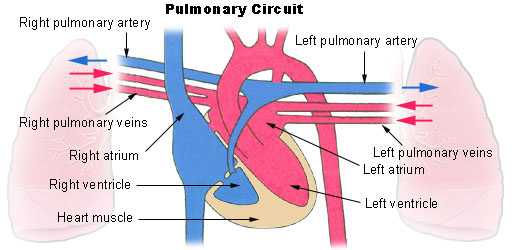
The pulmonary artery is the major vessel that conveys blood from the right side of the heart to the lungs. In the pulmonary circulation its primary role is to deliver blood that is low in oxygen but rich in carbon dioxide to the alveolar capillaries where gas exchange occurs. The oxygenated blood then returns to the left heart through the pulmonary veins to be pumped into systemic circulation.
Image gallery
9 Images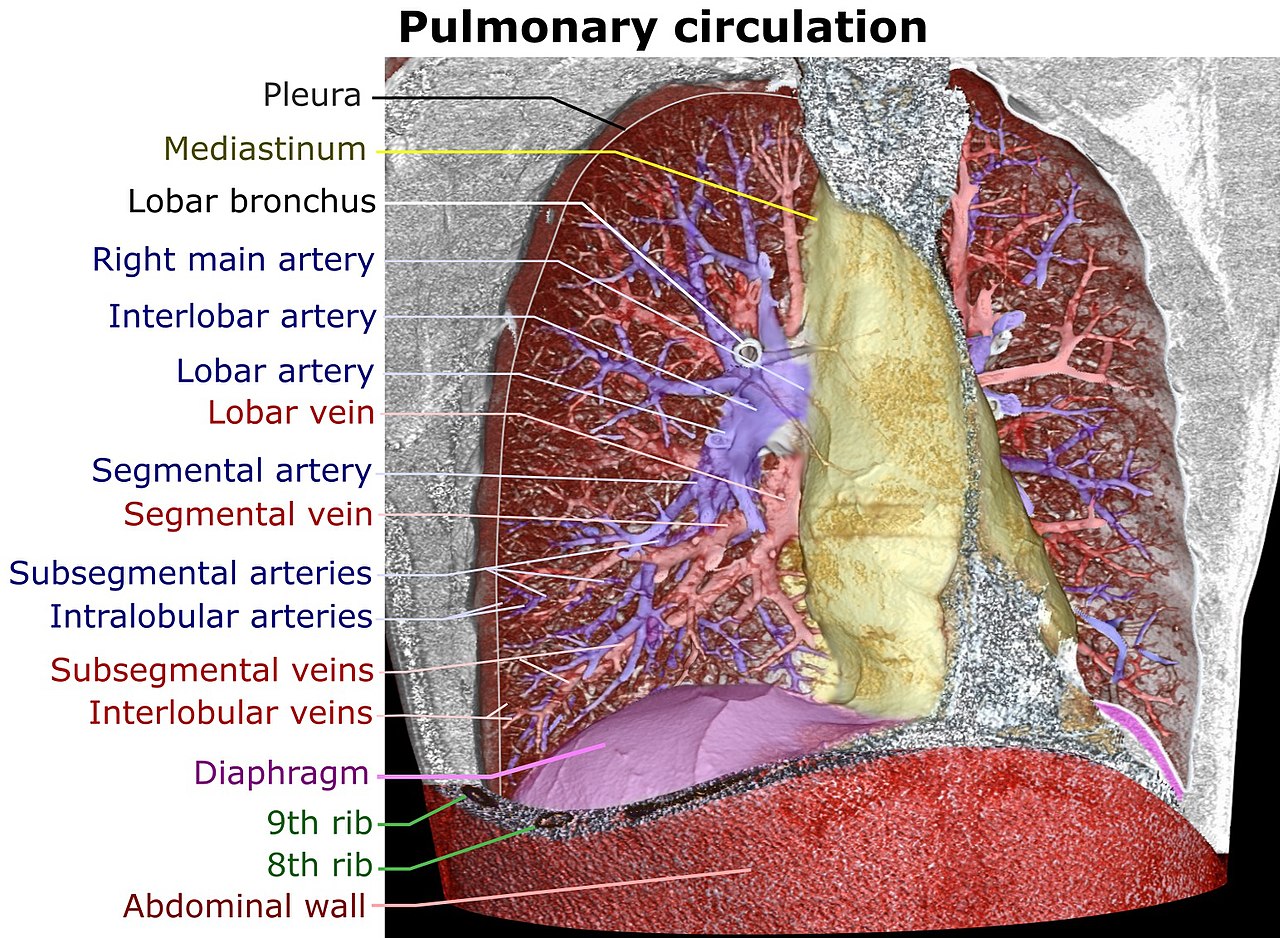


Structure and characteristics
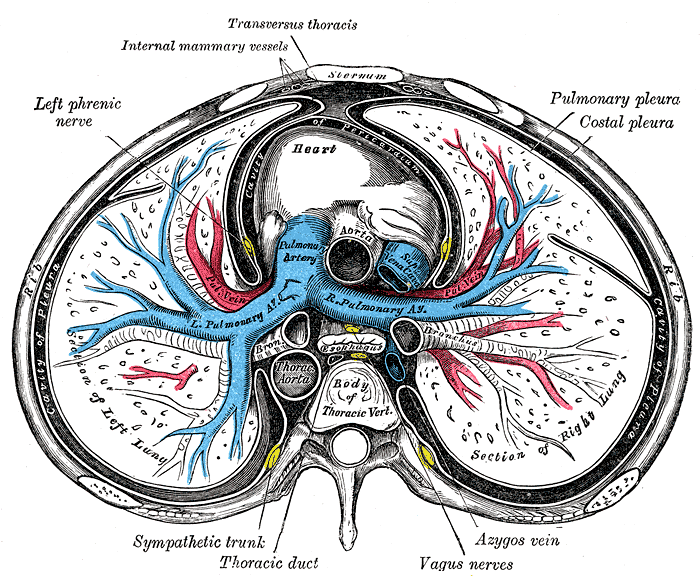
Anatomically the pulmonary artery begins at the right ventricle as the pulmonary trunk and quickly bifurcates into right and left pulmonary arteries, which branch further into lobar and segmental arteries inside the lungs. Key points include:
- Pulmonary trunk: the short initial segment exiting the right ventricle.
- Right and left pulmonary arteries: supply each lung and subdivide with the bronchial tree.
- Smaller branches: arterioles and capillaries that interface with alveoli for gas exchange.
Development and notable distinctions
The pulmonary arteries develop from embryonic heart outflow tracts and remodel substantially after birth when the lungs expand and pulmonary vascular resistance falls. Unlike most arteries, the pulmonary arteries normally carry blood that is relatively deoxygenated; this difference is fundamental to the separate pulmonary and systemic circuits. Pulmonary pressures are typically lower than systemic arterial pressure, though they may rise in disease.
Clinical importance
The pulmonary arterial system is central to several important medical conditions. A pulmonary embolism is an acute blockage of one or more pulmonary arteries, often by thrombus, and can be life threatening. Pulmonary hypertension denotes chronically elevated pressure in the pulmonary arteries and can lead to right heart failure. Congenital anomalies—such as malpositioned arteries or persistent fetal connections—affect oxygen delivery and may require surgical correction. In critical care, clinicians may measure pulmonary artery pressures using a catheter to guide therapy.
Function and examples
Functionally, the pulmonary arteries are optimized to carry large volumes of blood at lower pressure so that capillary transit time permits efficient oxygen uptake. For example, during exercise cardiac output rises and the pulmonary circulation accommodates increased flow by recruiting additional capillaries and dilating vessels. Understanding this vascular bed is essential in cardiology, pulmonology and critical care.
For more technical descriptions and diagrams consult specialized resources: heart anatomy, blood flow, and detailed physiology texts via gas exchange references.
Related articles
Author
AlegsaOnline.com Pulmonary artery: anatomy, function, and clinical significance Leandro Alegsa
URL: https://en.alegsaonline.com/art/80018