
Pride: meanings, expressions, and cultural perspectives
A concise overview of pride as an emotion and social concept — its constructive and destructive forms, historical views, common examples, and distinctions such as self-respect versus arrogance.
Pride is a familiar human feeling that ranges from a healthy sense of self-worth to an excessive belief in one's own importance. The adjective form is proud, and people use the word pride to describe both admiration for achievements and, in a different tone, a fault that can lead to arrogance. Because the word covers contrasting attitudes, it appears in moral discussions, everyday speech, and public life.
Image gallery
10 Images




Characteristics and everyday forms
In a constructive sense, pride is closely linked with self-respect and personal dignity. It can arise when someone completes a difficult task, produces quality work, or honors commitments. Family relationships often show this positive angle: parents may feel pride in a son or a daughter, and partners sometimes speak of being proud of a husband or wife for achievements or character. Such pride supports confidence, motivates continued effort, and strengthens social bonds when it is expressed modestly and without disparaging others.
Public, national, and communal expressions
Pride also appears at group and civic levels. People can show pride in a country or region through cultural celebrations, public commemorations, and civic participation; this form is often described as patriotism. In modern social life the single word "Pride" has additionally become a label for events and movements that affirm the identity and rights of LGBTQ+ communities, using celebration and visibility to counteract stigma and exclusion.
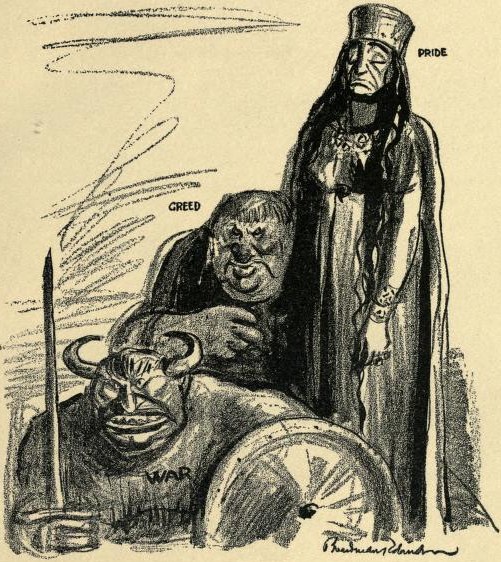
Not all pride is considered wholesome. In many moral traditions and common proverbs — for example, the saying that "pride goes before a fall" — pride is treated as a potential vice when it becomes inflated or contemptuous. Excessive pride can lead a person to overestimate their abilities, ignore advice, or treat others with disdain; the opposite emotion is often described as ashamed, which reflects embarrassment or regret.
Examples, distinctions, and practical notes
- Personal accomplishment: finishing a degree, mastering a skill, or creating a work one values.
- Professional pride: craftsmanship, ethical standards, and loyalty to a workplace or profession.
- Familial pride: satisfaction in a relative's character or success.
- Communal pride: cultural festivals, national holidays, and social movements that foster belonging.
Distinguishing healthy pride from harmful hubris matters in everyday life. Healthy pride encourages responsibility and resilience, while excessive pride can disrupt relationships and lead to poor judgment. Practical ways to keep pride constructive include recognizing others' contributions, staying open to feedback, and pairing confidence with humility. Understanding pride as a multifaceted concept helps explain why it figures prominently in literature, religion, psychology, and civic discourse.
Related articles
Author
AlegsaOnline.com Pride: meanings, expressions, and cultural perspectives Leandro Alegsa
URL: https://en.alegsaonline.com/art/79005