
Bigotry: intolerance rooted in prejudice
Bigotry is persistent intolerance of beliefs, identities or lifestyles unlike one's own, typically based on prejudice. This article explains its features, history, common forms, and social consequences.
Bigotry denotes a strong, often unreasonable intolerance toward people, beliefs, lifestyles, or identities that differ from one’s own. It usually rests on preconceived negative judgments rather than careful evidence and can express itself in words, actions, or institutional practices. Scholars and commentators commonly relate the concept to prejudice, though bigotry emphasizes stubbornness and moral contempt as well as mere bias.
Image gallery
2 Images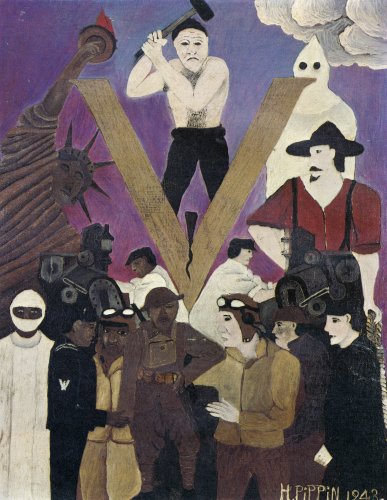

Characteristics and typical forms
Bigotry often shows a pattern of closed-mindedness, stereotyping, selective perception, and refusal to engage with contrary information. It can be interpersonal (insults, harassment), structural (laws or workplace norms that disadvantage groups), or cultural (narratives and symbols that demean others). Common targets include race, religion, gender, sexual orientation, nationality, disability, and socioeconomic status.
- Racial and ethnic bigotry
- Religious intolerance and sectarianism
- Sexism and misogyny
- Homophobia and transphobia
- Xenophobia and nativism
Forms of bigotry may be connected to broader belief systems or political movements; in some contexts those linkages are organized into an explicit ideology that justifies exclusionary practices.
Origins and history of the word
The English word has long roots: its recorded use in English goes back at least to 1598, having entered the language via French. Historical senses included accusations of religious hypocrisy, and early writers sometimes applied the term to people perceived as sanctimonious or narrow-minded. For more on the word’s linguistic background see etymology notes and commentary; older texts occasionally use it to mean "religious hypocrite".
In modern usage the word functions as a strong reproach and is often used as a pejorative. That usage highlights moral condemnation: calling someone a bigot signals that their intolerance is not merely mistaken but ethically objectionable.
Understanding bigotry matters because it shapes personal relationships, organizational climates, and public policy. Responses to bigotry typically include education, anti-discrimination law, intergroup contact programs, and efforts to shift social norms. Addressing structural aspects requires examining policies and institutions as well as individual attitudes.
Wherever it appears, bigotry undermines social trust and hinders equitable participation in civic life. Recognizing its patterns helps communities identify remedies and promote more inclusive, evidence-based discourse.
Questions and answers
Q: What is the definition of a bigot?
A: A bigot is a person who is intolerant of opinions, lifestyles, or identities that are different from their own, often based on prejudice.
Q: What is the origin of the word bigot in English?
A: The origin of the word bigot in English dates back to at least 1598, via French.
Q: How was the word bigot originally used in English?
A: The word bigot was originally used in English to describe a "religious hypocrite", especially a woman.
Q: Can the term bigot be used as a compliment?
A: No, the term bigot is often used as a pejorative term against a person who is obstinately devoted to negative prejudices, even when those prejudices are proven to be false.
Q: Are forms of bigotry related to a particular ideology?
A: Forms of bigotry may have a related ideology.
Q: What is the most common basis of a bigot's opinions?
A: A bigot's opinions are often based on prejudice.
Q: Can a bigot be tolerant of opinions, lifestyles, or identities that are different from their own?
A: No, a bigot is intolerant of opinions, lifestyles, or identities that are different from their own.
Related articles
Author
AlegsaOnline.com Bigotry: intolerance rooted in prejudice Leandro Alegsa
URL: https://en.alegsaonline.com/art/11398
Sources
- digicoll.library.wisc.edu : Word Histories And Mysteries: From Abracadabra to Zeus. Houghton Mifflin Company. 2004.