
Trial (legal proceeding)
A trial is a formal legal process in which a judge or jury examines evidence and arguments to resolve criminal charges or civil disputes under established rules of law.
Overview
A trial is a formal procedure in which opposing parties present evidence and legal argument in a public forum so that a judge or jury can reach a decision. Trials are conducted in a court or other adjudicative body and follow rules of procedure and evidence intended to ensure fairness, transparency, and an orderly search for facts and applicable law.
Image gallery
3 Images

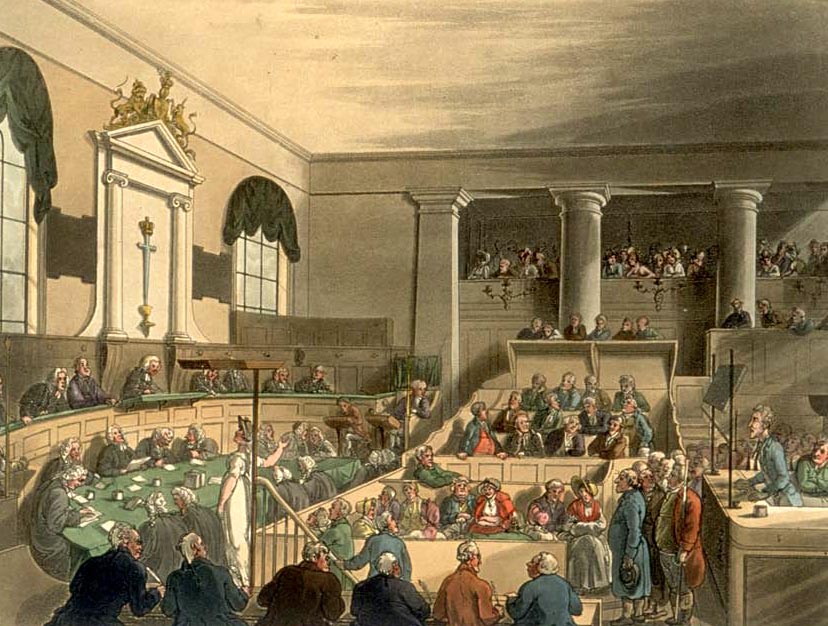
Key participants
- Judge: Oversees the proceeding, rules on legal questions, and may decide the outcome in a bench trial.
- Jury: A group of citizens who may be tasked with finding facts and delivering a verdict in jury trials.
- Parties and counsel: Plaintiffs and defendants (civil) or prosecutors and defendants (criminal), typically represented by lawyers.
- Witnesses and experts: Provide testimony and technical opinion under oath.
Typical stages
Trials commonly progress through selection of decision‑makers (such as jurors), opening statements, presentation of evidence and witness examination, closing arguments, and a verdict or judgment. If the outcome is criminal and a conviction results, a separate sentencing stage may follow. In many legal systems some disputes are resolved before a full trial through settlement, plea agreement, or alternative dispute resolution.
Types and outcomes
Trials may be civil (disputes between private parties), criminal (government prosecutes alleged crimes), administrative (disputes with government agencies), or military. Outcomes vary: verdicts or judgments may resolve liability, impose penalties, order remedies, or acquit the accused. Decisions are often subject to appeal to a higher tribunal.
History and importance
Adjudicative hearings have ancient roots and have evolved to protect procedural rights such as the presumption of innocence and the right to counsel in criminal cases. Trials serve social functions: they resolve conflicts, produce a public record of events, and reinforce standards of lawful conduct. Their form and safeguards reflect a balance between efficient dispute resolution and protecting individual rights.
Questions and answers
Q: What is a trial?
A: A trial is a situation in which two people or two groups of people make arguments and present evidence to a court of law in order to resolve an issue or dispute.
Related articles
Author
AlegsaOnline.com Trial (legal proceeding) Leandro Alegsa
URL: https://en.alegsaonline.com/art/101440