
Powder: definition, properties, production, uses and safety
Powder: a collection of fine dry particles. Overview of characteristics, common production methods, historical uses, applications across industries, and safety considerations.
Overview
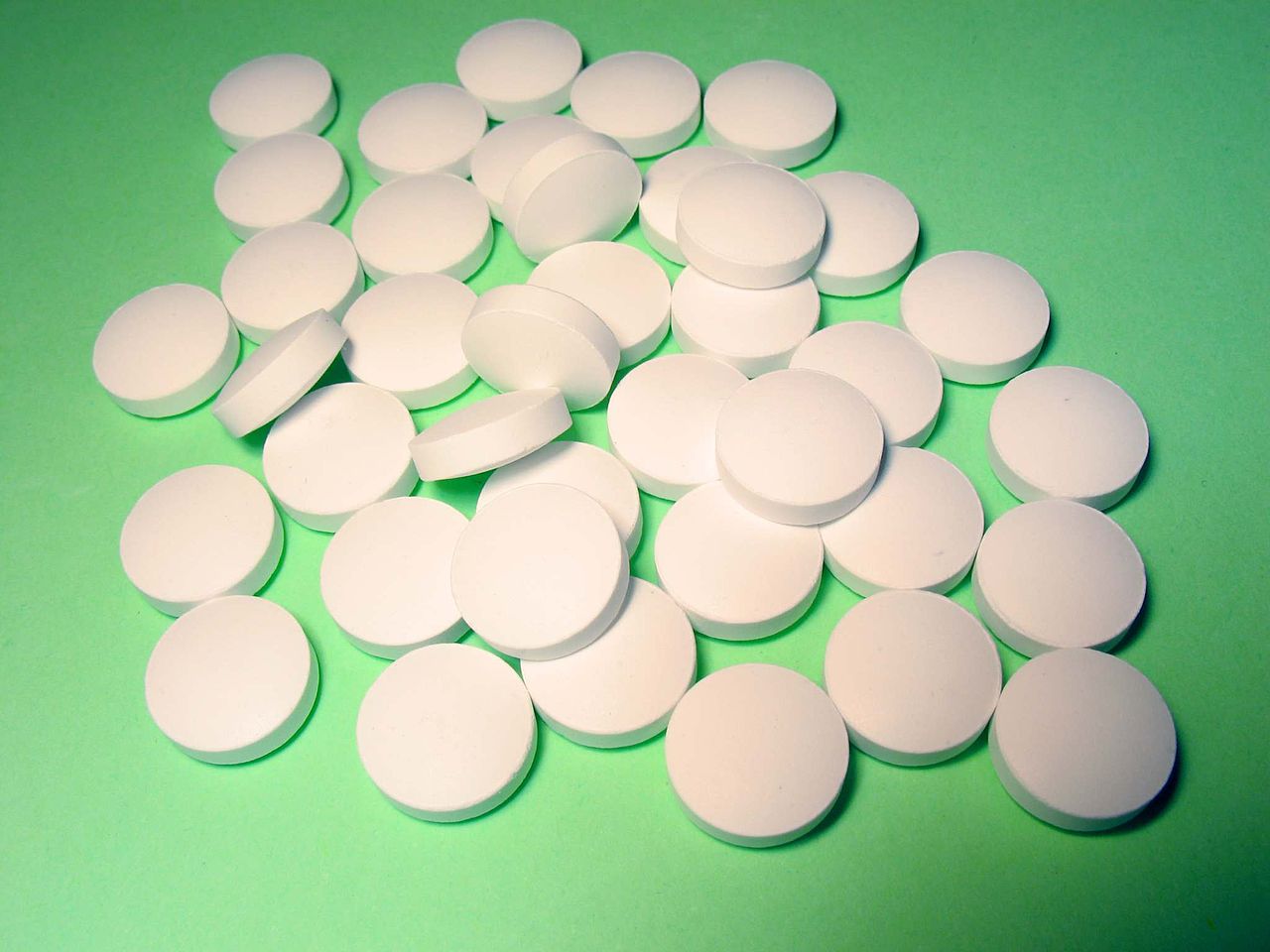
Powder describes a mass of dry, finely divided solid particles that flow more or less freely. Powders form when solids are ground, milled, crushed, abraded or precipitated from liquid or vapor. The term covers materials from food ingredients and cosmetic dusts to metal powders and mineral fines; see a concise definition.
Image gallery
10 Images





Key characteristics
Several physical properties distinguish powdered materials and determine how they behave during handling and processing. Important attributes include:
- Particle size and particle size distribution, which affect texture, reactivity and packing.
- Surface area and surface chemistry, influencing dissolution and adhesion.
- Bulk density and porosity, important for storage and transport.
- Flowability and cohesion: fine powders can cake or form bridges while coarser ones flow more freely; see more on particle properties.
Production and processing
Common methods to make or transform powders include mechanical comminution (grinding, milling), atomization of liquids into droplets that solidify, spray drying, freeze drying and chemical precipitation. After production, powders are classified by sieving or air classification and may be blended, granulated or coated to improve performance. Industrial processing techniques and equipment are described in many technical guides on processing methods.
Uses and examples
Powders have widespread everyday and industrial uses. Examples include cosmetics (face and body powders used to set makeup or reduce shine; face powders), sports aids (chalk or rosin for athletes to improve grip), culinary spices (such as curry powder), and cleaning agents (laundry or washing powders). In industry, powdered metals are used for sintering and additive manufacturing, pharmaceutical active ingredients are dosed as powders, and certain powders are components in pyrotechnics and propellants (gunpowder historically) or manufactured fireworks. Historically some powders were also applied in weapons and explosive devices (explosive devices), which is why regulation and safe handling are important.
History and terminology
People have ground grains into flour and crushed minerals for millennia; the controlled use of powdered mixtures for propulsion and pyrotechnics began in medieval China and spread widely. The word "powder" is also a verb meaning to apply a fine powdered material to a surface, as in "to powder" the skin or fabric (verb: to powder).
Safety and handling
Fine powders can pose inhalation hazards, contaminate products, generate static electricity and, when combustible, create dust explosion risks in confined spaces. Proper ventilation, dust control, grounding, appropriate personal protective equipment and storage in suitable containers reduce these risks. Where powders are used in food, medicine or cosmetics, manufacturing follows hygiene and quality-control standards to ensure safety and consistent performance.
Related articles
Author
AlegsaOnline.com Powder: definition, properties, production, uses and safety Leandro Alegsa
URL: https://en.alegsaonline.com/art/78509