
Polyvinyl chloride (PVC): properties, production, uses and concerns
Polyvinyl chloride (PVC) is a versatile thermoplastic made by polymerizing vinyl chloride. This article covers its chemistry, types, manufacturing, common applications, and environmental and health considerations.
Overview
Polyvinyl chloride, commonly abbreviated PVC and sometimes called polychloroethene, is a widely used synthetic polymer produced from the monomer vinyl chloride (CH2=CHCl). As a thermoplastic, PVC softens when heated and hardens when cooled, allowing it to be formed and reshaped by standard plastic processing methods. The basic polymer is rigid, but formulations vary widely through additives that change flexibility, color, flame resistance and other properties.
Image gallery
10 Images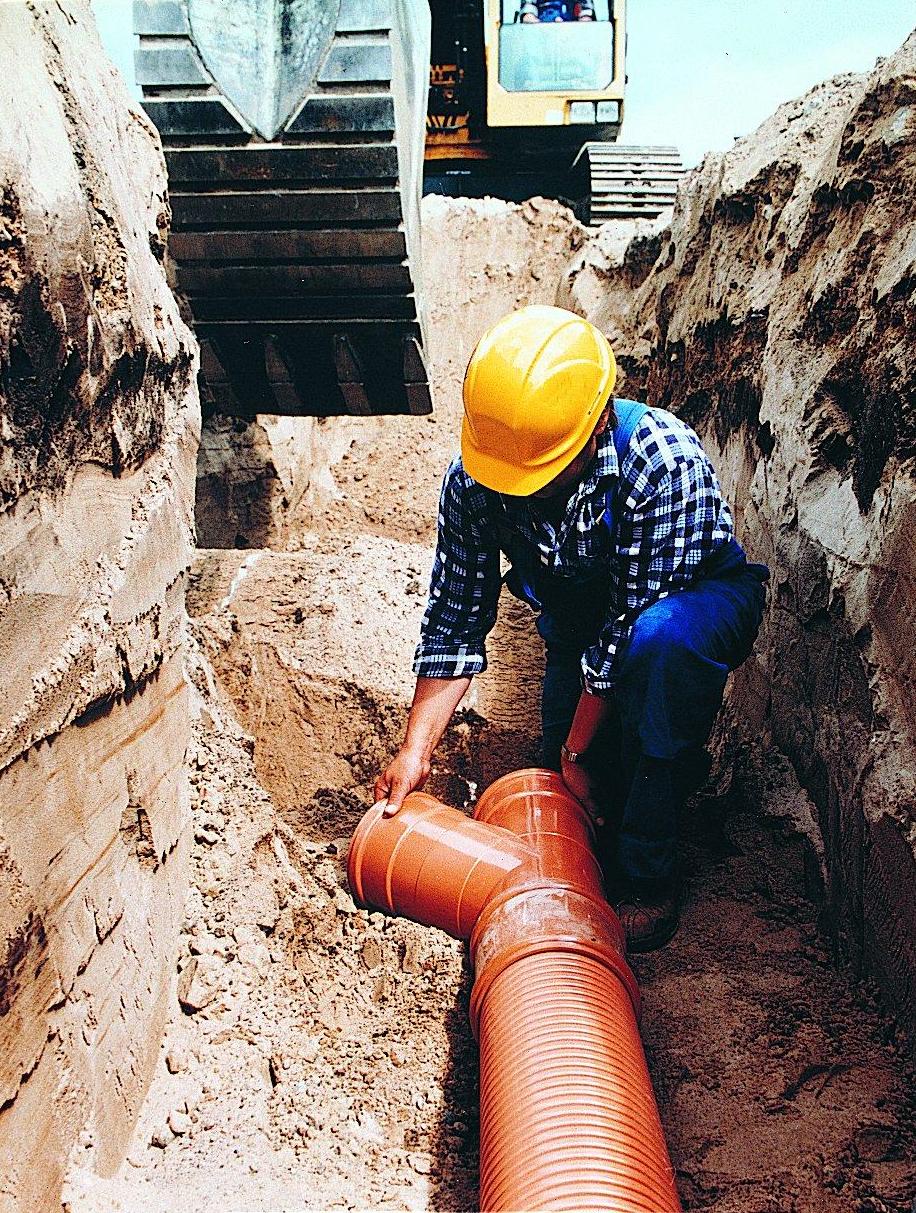



Chemistry and production
PVC is formed by the polymerization of the vinyl chloride monomer vinyl chloride (CH2=CHCl). Polymer chains contain repeating vinyl chloride units with chlorine atoms attached to every other carbon, which influences the material's density, chemical resistance and flame behavior. Industrial production uses free-radical or controlled radical methods and produces grades suitable for extrusion, injection molding, blow molding and calendaring.
Characteristics, additives and variants
In its unmodified form (uPVC or unplasticized PVC) the polymer is hard, durable and resistant to water and many chemicals. Flexibility is introduced by adding plasticizers such as phthalates; formulations without plasticizers are called rigid PVC. Other important variants include chlorinated PVC (CPVC), which has greater heat resistance, and specialized blends with stabilizers, impact modifiers and pigments to meet different performance needs.
Processing methods and common forms
- Extrusion: pipes, profiles, tubing and cable jacketing.
- Injection molding: fittings, housings and components.
- Blow molding: bottles and hollow parts.
- Calendering: sheets and vinyl flooring.
Uses and importance
PVC is one of the most widely used plastics worldwide. Rigid grades are dominant in construction for pipes, window frames, siding and fittings because of durability, low cost and weather resistance. Flexible PVC is common in flooring, cables, medical devices (e.g., tubing and bags), inflatable products and coated fabrics. Its wide utility helps explain why vinyl polymers are ubiquitous: the term "vinyl" is related to simple ethylene derivatives such as ethylene, and other major vinyl-derived plastics include polyethylene, polypropylene and polystyrene.
History and development
The polymer was first observed in the late 19th century and developed into industrial products during the 20th century. Innovations such as plasticized PVC expanded its uses; commercial production and a variety of additives made PVC an economical choice across many sectors. Over decades, processing and formulation technologies have advanced to improve performance, stability and recyclability.
Environmental and health considerations
PVC contains chlorine and may release hazardous substances during manufacture, incineration or degradation; for example, certain production steps can form dioxins if not well controlled. Concerns about some plasticizers (notably some phthalates) and legacy stabilizers prompted regulatory action and reformulation in many applications, especially those involving food contact or medical use. Recycling of PVC is practiced but can be complicated by mixed additives and contamination; mechanical and chemical recycling routes exist and are areas of ongoing improvement.
Distinctions and notable facts
Compared with other common plastics, PVC is notable for its intrinsic fire behavior (chlorine-containing but often formulated with flame retardants), broad stiffness range achieved by additives, and strong position in building materials. It is a staple of modern infrastructure while also being the focus of environmental and health debates that have driven safer formulations and increased recycling efforts.
Related articles
Author
AlegsaOnline.com Polyvinyl chloride (PVC): properties, production, uses and concerns Leandro Alegsa
URL: https://en.alegsaonline.com/art/77892
Sources
- books.google.com : PVC Handbook
- books.google.com : PVC technology
- institutodopvc.org : "PVC Pipe & Fittings: Underground Solutions for Water and Sewer Systems in North America"