
Post-transition metals
Post-transition metals (poor metals) are p-block elements to the right of the transition metals; they are generally softer, often more electronegative, have lower melting points, and form more covalent bonding.
Overview
The term "post-transition metals" (also called "poor metals") designates a set of metallic elements that lie to the right of the d-block transition metals on the periodic table. They are most often found in the p-block and are distinguished from classic transition metals by a combination of physical and chemical properties. For a schematic reference see the periodic table and general discussions of post-transition metals.
Image gallery
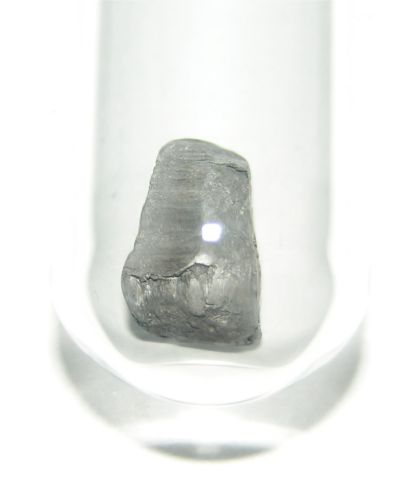
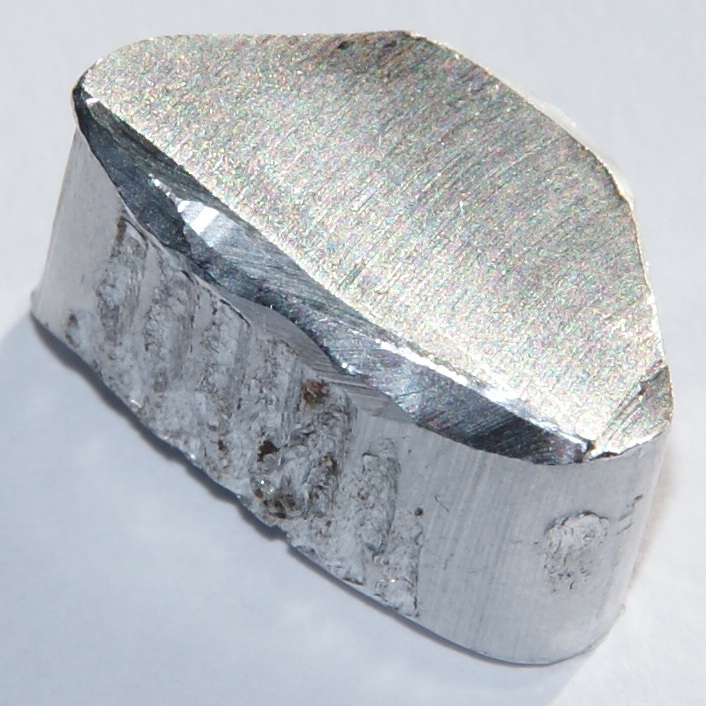
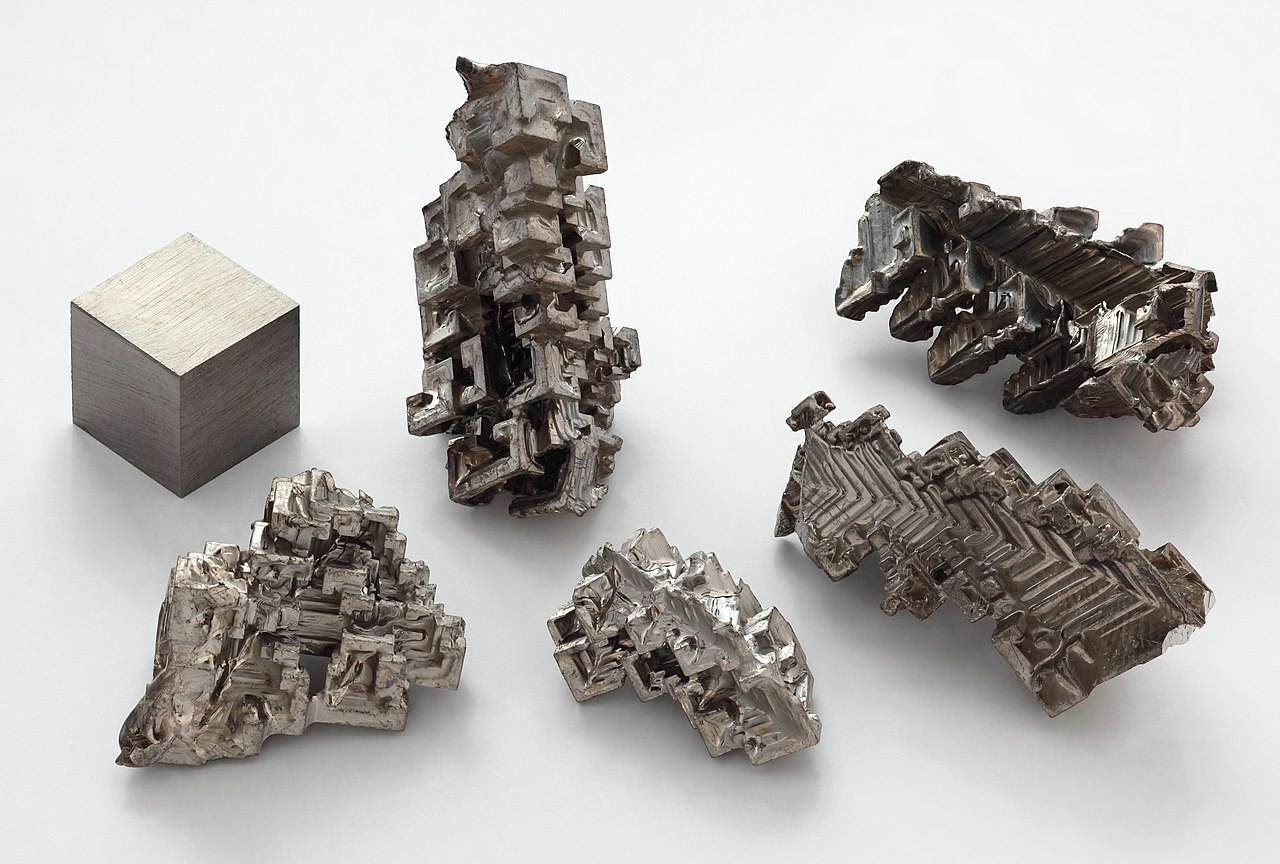
10 Images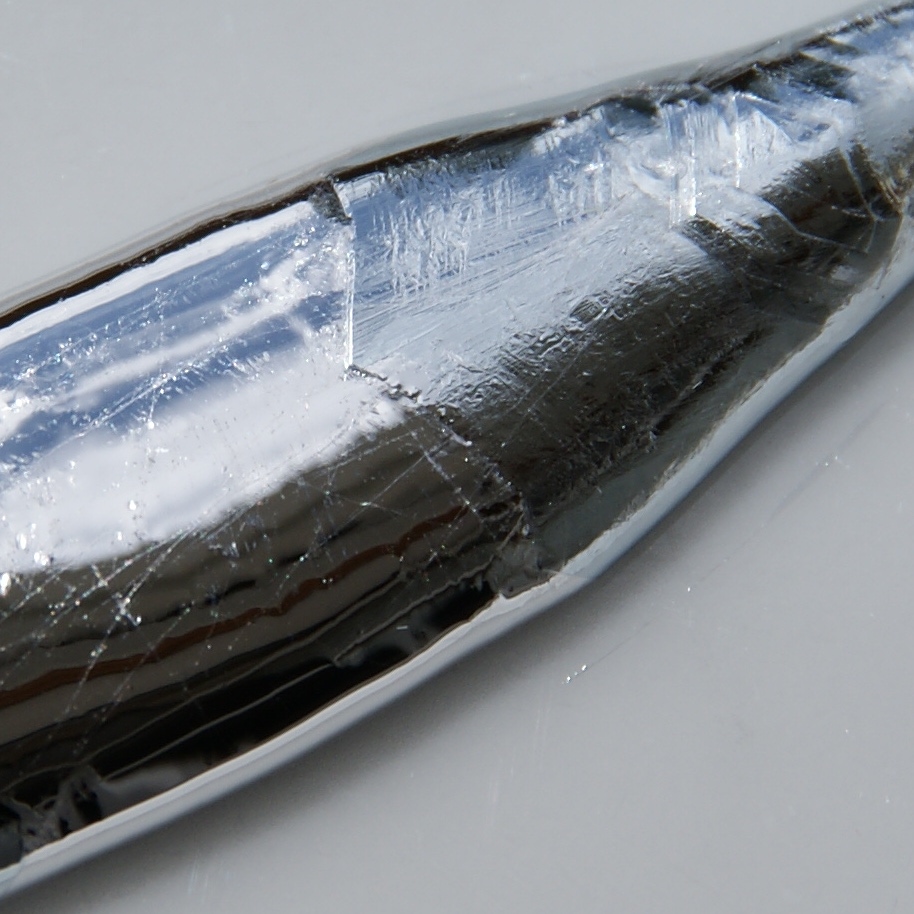





Key characteristics
Post-transition metals typically have higher electronegativities than neighbouring transition elements and lower melting points. They are often softer and show lower tensile strength compared with many d-block metals. Their bonding tends to be more covalent or polar covalent, with valence electrons in p orbitals playing a larger role than d electrons.
Electronic structure and chemistry
Electronically, these elements show behaviour intermediate between true metals and metalloids: they conduct electricity but often form directional bonds and covalent compounds. Oxidation states are frequently simple and predictable, though heavier poor metals can exhibit a range of oxidation states influenced by relativistic effects. Their chemistry is important in alloys, intermetallics and a variety of semiconducting and electronic materials.
Common examples and classification issues
Commonly listed post-transition metals include aluminum, gallium, indium, tin, thallium, lead and bismuth. Some classification schemes also consider elements near the metalloid boundary. For example, germanium and antimony are sometimes grouped with poor metals, though many sources treat them as metalloids. The membership of Group 12 (zinc, cadmium and mercury) is debated: they share some properties with post-transition metals but retain features linking them to transition series elements.
Physical properties
- Lower hardness and tensile strength than many transition metals, making them easier to machine or deform.
- Tendencies toward higher electronegativity and more localized bonding compared with d-block metals.
- Melting points vary but are often lower than those of adjacent transition metals, affecting alloy behaviour and processing.
Occurrence, uses and technological importance
Despite the historical label "poor", these metals are widely used. Tin is important in solders; lead has been used in batteries and shielding (with significant toxicity concerns); indium is critical in transparent conductive films; gallium and its compounds are central to optoelectronics; and aluminum is ubiquitous because of its favorable strength-to-weight ratio. Their electronic, optical and mechanical roles make them valuable in alloys, coatings and semiconductor devices.
Environmental and health considerations
Several post-transition metals and their compounds raise environmental or health issues. Lead and thallium are toxic, and cadmium and mercury (when considered with Group 12) are environmentally hazardous. Responsible handling, regulatory control and substitution where possible are important in industry and public health policy.
Distinctions and further reading
- The distinction between transition and post-transition metals is gradual rather than absolute; it reflects changes in bonding, electron configuration and macroscopic properties. See discussions contrasting transition metals with post-transition metals.
- Borderline elements (for example germanium and antimony) illustrate how classification depends on the properties emphasized and the context of use.
- For schematic classification and property tables consult educational resources linked to the periodic table and dedicated element data pages (post-transition metals overview).
For authoritative material property data, consult compilations of melting points, electronegativity scales and element-by-element references. Debates on grouping (including the status of Group 12) and borderline classifications are discussed in specialized inorganic chemistry and materials science literature.
Related articles
Author
AlegsaOnline.com Post-transition metals Leandro Alegsa
URL: https://en.alegsaonline.com/art/78370