
Polystyrene
Polystyrene is an aromatic polymer made from the monomer styrene. It is a widely used thermoplastic found in solid and foamed forms for packaging, insulation, consumer goods and more.
Overview
Polystyrene is a synthetic polymer formed by polymerizing the monomer styrene. It is an aromatic hydrocarbon-based material produced on an industrial scale and used across many sectors. For a concise chemical description and its common role in packaging, polystyrene is often cited as one of the most widely manufactured plastics worldwide.
Image gallery
10 Images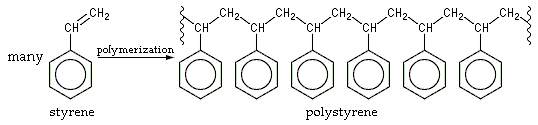


Physical characteristics
The polymer is usually a glassy, clear thermoplastic at room temperature: stiff but brittle unless modified. Its backbone contains aromatic rings derived from styrene, a liquid monomer that is itself an aromatic hydrocarbon. Styrene monomer is typically produced from petroleum feedstocks in chemical plants; the molecule and its polymer influence the material's optical clarity, density and solvent sensitivity. The monomer styrene can present health concerns in its free form, while the bulk polymer is relatively inert under normal conditions. Polystyrene can dissolve or swell in certain organic solvents such as ketones and aromatics (solubility).
Production and polymerization
Polystyrene is manufactured by chain-growth polymerization; common industrial methods include bulk, solution and emulsion processes. Feedstock and refining link the material back to petroleum chemistry, and production methods affect molecular weight and product properties. The material is mostly processed as a thermoplastic, though cross-linked or chemically modified variants can act more like a networked material (feedstock) or be tailored into specialized products (applications). Some cross-linked forms can show thermoset-like behaviour in service (cross-linking).
Common types and forms
- General-purpose polystyrene (GPPS): clear, rigid, used for housings and display items.
- High-impact polystyrene (HIPS): toughened with rubber for durable products and toys.
- Expanded polystyrene (EPS): bead-foam used for packaging, cushioning and insulation.
- Extruded polystyrene (XPS): closed-cell foam used in building insulation; often marketed under trade names (brand examples).
Uses and examples
Polystyrene appears in disposable cutlery, food containers, protective packaging, CD cases, model kits and building insulation. Its ease of molding and low cost makes it common for single-use products, and foamed forms provide thermal and mechanical cushioning. Manufacturers select grades and processing routes to meet transparency, toughness or insulating performance.
Environmental and safety considerations
Polystyrene is not readily biodegradable and lightweight foams can fragment, contributing to litter and marine debris. Recycling is possible and commonly categorized under resin identification code 6, but collection and contamination limit recycling rates. Residual styrene monomer is a handling concern in production; consumers are advised to avoid exposing polystyrene foodware to high heat or strong solvents. Efforts to reduce environmental impact include recycling programs, lightweighting, alternative materials and improved disposal practices.
For further technical or regulatory information consult detailed sources and industry guidance via the links provided above.
Related articles
Author
AlegsaOnline.com Polystyrene Leandro Alegsa
URL: https://en.alegsaonline.com/art/77883
Sources
- plastics.americanchemistry.com : Plastics
- chemtube3d.com : chemtube3d.com/_polystyrenef/