
Thermoplastic
Thermoplastics are polymers that soften when heated and harden when cooled, allowing repeated reshaping. They are widely used in manufacturing, packaging, electronics and consumer goods and differ from thermosets.
Overview
Thermoplastics are a class of polymeric materials that become pliable or moldable above a certain temperature and solidify upon cooling. In contrast to materials that cure irreversibly, thermoplastics can be reheated and reshaped many times without undergoing a chemical change to their backbone. They form one of the two broad groups of plastics; the other group is commonly called thermosets. For a general introduction to plastics and polymers see plastics and polymers.
Image gallery
4 Images


Key characteristics
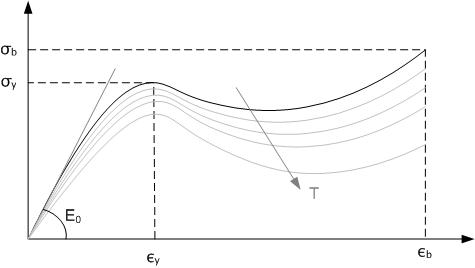
Thermoplastic behavior is driven by physical changes rather than new chemical bonds. When raised toward their melting point they soften and, if heated further, can flow as a liquid. Many thermoplastics also display a glass transition: below a characteristic glass transition temperature they become hard and glassy, while above it they are more rubbery or ductile. These reversible thermal transitions enable repeated forming and recycling.
Properties and processing
Common properties of thermoplastics include good toughness, variable stiffness, and the ability to be colored or compounded with additives for improved performance. They can be processed by a variety of techniques:
- Injection molding — widely used to make complex shapes and high-volume parts.
- Extrusion — produces continuous profiles such as pipes, films and sheets.
- Thermoforming and blow molding — used for packaging and containers.
- 3D printing — increasingly used for prototyping and small-batch production.
In electronic applications, thermoplastics are often selected for their insulating or shielding properties; some formulations help protect against electrostatic discharge and radio frequency interference in devices, and are widely used in consumer and industrial electronics (electronics category).
Common types and examples
Several families of thermoplastics are in common use, each with characteristic balance of strength, flexibility, cost and chemical resistance. Well-known examples include polyethylene, polypropylene, polyvinyl chloride, polystyrene, polyethylene terephthalate, acrylonitrile-butadiene-styrene (ABS) and various nylons. Their wide range of properties makes thermoplastics suitable for packaging, automotive parts, toys, medical devices and structural components.
Comparison with thermosets and recycling
Thermoplastics differ fundamentally from thermosetting polymers, which develop permanent crosslinks during a curing step and do not remelt. Because thermoplastics can be reheated without chemical decomposition, they are generally easier to recycle mechanically: used parts can be melted, reformed, and repurposed. However, additives, fillers and mixed-material assemblies can complicate recycling streams and influence environmental impact.
Notable facts and considerations
Thermoplastic selection balances processing ease, mechanical performance and cost. Engineers and designers must consider factors such as thermal stability, chemical resistance, wear, and long-term behavior under load. Many application decisions also take fire retardancy, UV resistance and regulatory compliance into account. For molding techniques and practical guidance on forming thermoplastics, see resources on molding processes. For further technical background consult general references on frequency-related shielding and materials science fundamentals (liquid behavior and phase transitions are central concepts).
Thermoplastics remain central to modern manufacturing due to their adaptability, ability to be processed in high volumes, and potential for recycling, while ongoing material science research continues to expand their performance and sustainability.
Related articles
Author
AlegsaOnline.com Thermoplastic Leandro Alegsa
URL: https://en.alegsaonline.com/art/99311