
Potassium carbonate (K2CO3): properties, history, and uses
Potassium carbonate is a white, water‑soluble inorganic salt (K2CO3) used in glassmaking, soap, food processing and laboratory chemistry. It is strongly alkaline and historically known as potash or pearl ash.
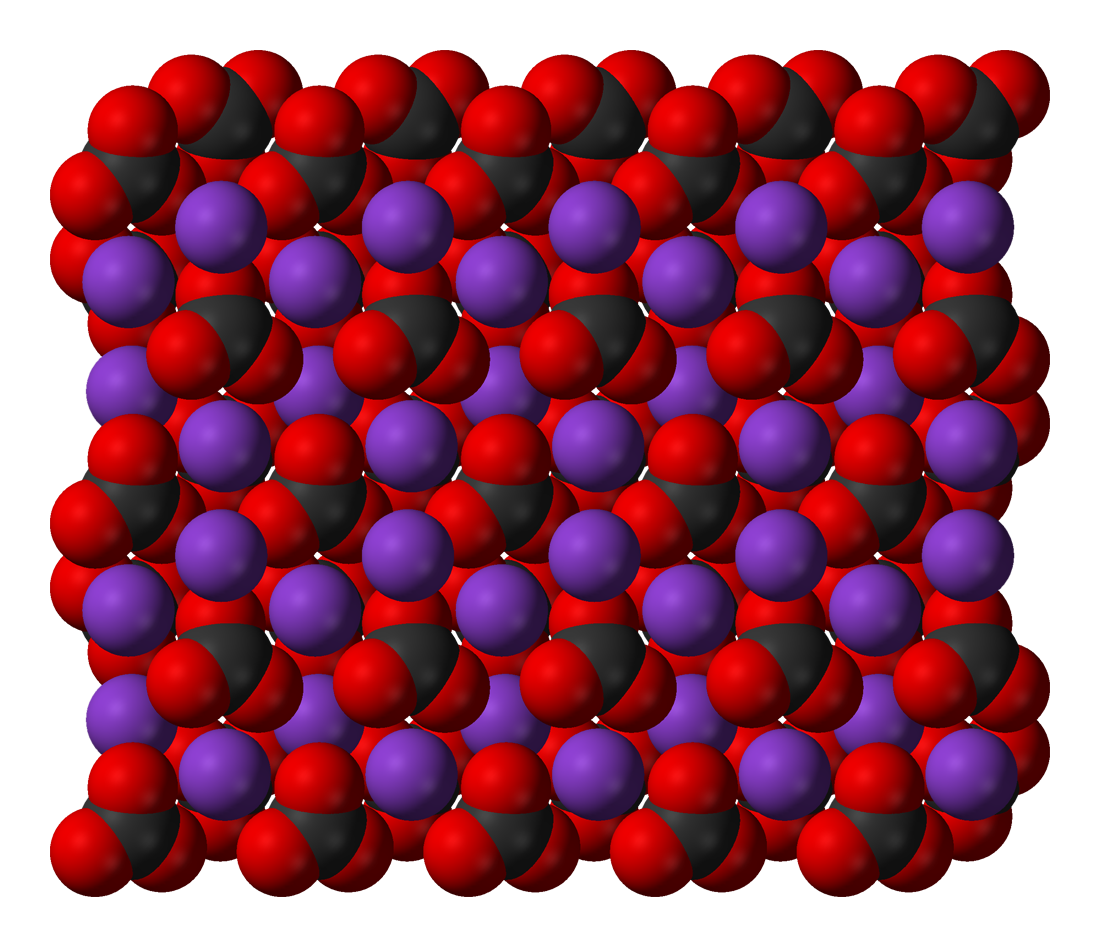
Potassium carbonate is an inorganic salt with the formula K2CO3. It consists of potassium cations and carbonate anions and typically appears as a white, crystalline or powdery solid. The substance is strongly alkaline in aqueous solution and readily dissolves in water to give basic solutions. Historically it has been obtained from wood ashes and has been called potash or "pearl ash" after purification by heating.
Image gallery
2 Images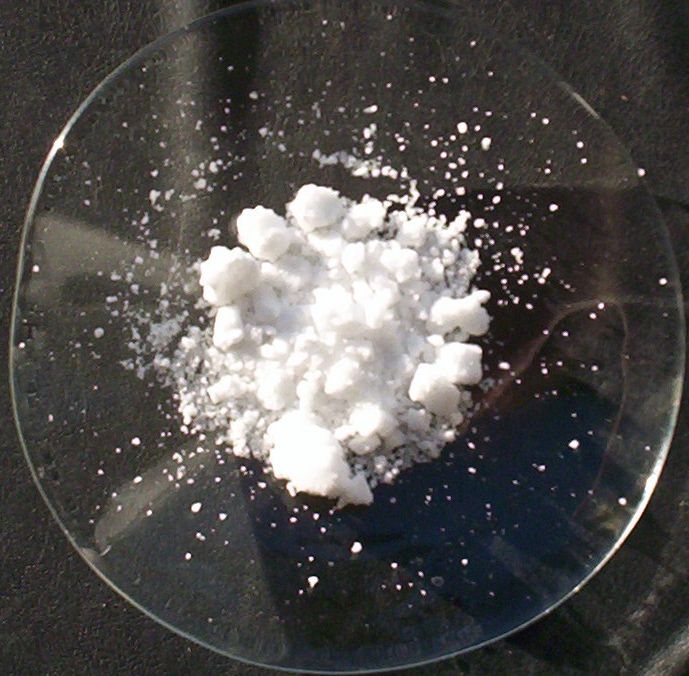
Composition and properties
Chemically, potassium carbonate is an ionic compound formed from potassium ions and the carbonate ion. It is hygroscopic and can absorb moisture from the air, sometimes forming hydrates. In contact with acids it reacts to release carbon dioxide, and in solution it behaves as a strong base compared with most carbonate salts. It should be distinguished from potassium bicarbonate (KHCO3), which contains hydrogen carbonate and is less alkaline.
History and production
Before industrial chemistry, people produced potassium carbonate by leaching wood ashes with water and evaporating the solution to obtain crude potash. Further heating and purification produced a finer white product called pearl ash. Modern production uses refined chemical processes starting from potassium chloride or other potassium salts and recovery from industrial streams, yielding a consistent, high‑purity material suitable for industrial and food uses.
Uses and applications
- Glass and ceramics: acts as a flux and modifies melt properties.
- Soap and detergents: used historically in soapmaking and still employed in some formulations.
- Food industry: used as a food additive and buffering agent in certain traditional foods (listed under regulatory codes where permitted).
- Chemistry and laboratories: serves as a base and drying agent, and as a reagent in organic syntheses.
- Agriculture and industry: raw material in some fertilizer blends and for neutralizing acidic wastes.
For further technical or regulatory details, consult a chemical supplier or a materials safety resource such as a chemical profile or database entry (compound overview). Safety data sources provide handling and disposal guidance (safety information).
Notable distinctions include the broad historical use of the term potash, which can refer to several potassium-bearing compounds and commercial fertilizers, whereas "potassium carbonate" denotes the specific K2CO3 salt. For summaries of elemental and anion properties see reference material on potassium and carbonate chemistry. For suppliers, regulatory lists, or material data sheets consult technical resources (commercial potash sources, compound datasheets).
Handling precautions: because solutions are strongly alkaline, direct contact can irritate skin and eyes; common precautions include gloves, eye protection, and adequate ventilation. Disposal should follow local regulations to avoid environmental harm.
Related articles
Author
AlegsaOnline.com Potassium carbonate (K2CO3): properties, history, and uses Leandro Alegsa
URL: https://en.alegsaonline.com/art/78411