
Plum (color)
Plum is a family of purple-toned colors named after the plum fruit, ranging from pale mauve to deep reddish‑purple. Used in fashion, design, and art, it carries associations of richness and warmth.
Plum describes a range of purple-leaning colors whose name is taken from the edible plum fruit. It usually evokes a mix of red and blue pigments, producing tones that can read as warm, muted, or richly saturated. The term sits alongside related purples and mauves, and is often used to convey depth and subtle luxury in visual design. For the general hue comparison, see purple.
Image gallery
2 Images
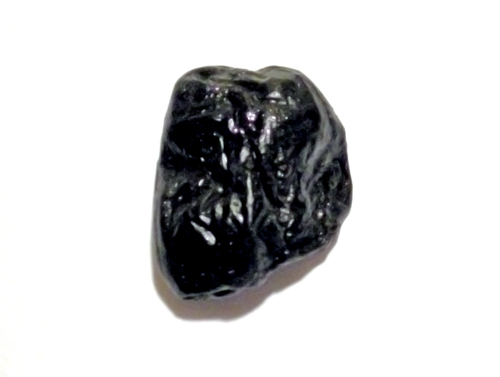
Characteristics
Plum shades vary widely. Lighter variants approach mauve and dusty pink, while deeper variants move toward burgundy or eggplant. In digital design a named web color called "plum" exists and is commonly represented as a soft, pale purple (CSS color names use specific hexadecimal codes). Natural plum skins and flesh, however, show more red undertones than some standardized digital samples.
- Common qualities: moderate saturation, warm undertones, and a balance of red and blue.
- Variants: pale plum, medium plum, deep plum (near aubergine/eggplant).
- Digital note: designers may rely on precise color values when matching prints or screens.
History and name
The color name derives from the fruit of trees in the genus Prunus. Use of "plum" as a color descriptor in English appears in historical sources, with one recorded written instance dating to 1805. Over time the label expanded to cover a spectrum of purple-based tones inspired by different plum varieties and ripeness stages.
Uses and cultural notes
Plum is popular in fashion, interior decoration, and branding where a muted yet sophisticated purple is desired. It is often chosen for autumn palettes, upholstery, evening wear, and cosmetics. Symbolically, plum tones can suggest richness, maturity, and a restrained elegance; cultural meanings vary by context.
Distinctions
- Plum vs. purple: plum generally implies a redder, fruit-inspired purple rather than a pure or blue-biased purple.
- Plum vs. burgundy: burgundy leans more toward red-wine tones, whereas plum retains a perceptible purple component.
Related articles
Author
AlegsaOnline.com Plum (color) Leandro Alegsa
URL: https://en.alegsaonline.com/art/77498