
Polka: history, style, music, and cultural spread
Polka is a lively Central European couple dance and musical genre originating in Bohemia; it became a 19th-century social and ballroom craze and later a folk and popular tradition worldwide.
Overview
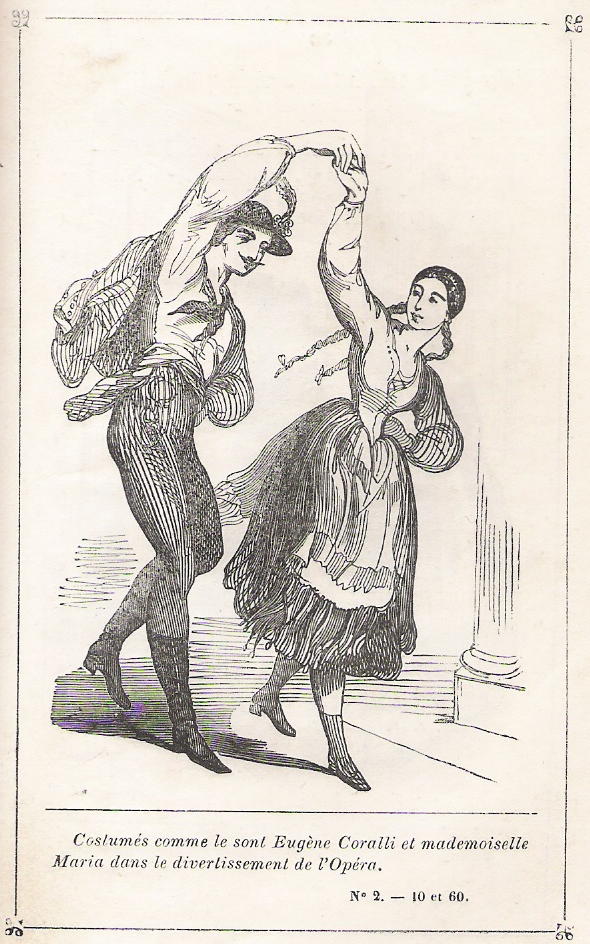
Polka is a spirited couple dance and associated musical form that emerged in the early 19th century in the lands of Bohemia, part of the historic Central European cultural area and later within territories associated with Czechoslovakia and now the Czech Republic. Characterized by a quick tempo and an accentuated hop, it quickly became fashionable across Europe and reached the United States, where it influenced both social dancing and popular music.
Image gallery
7 Images


Basic characteristics
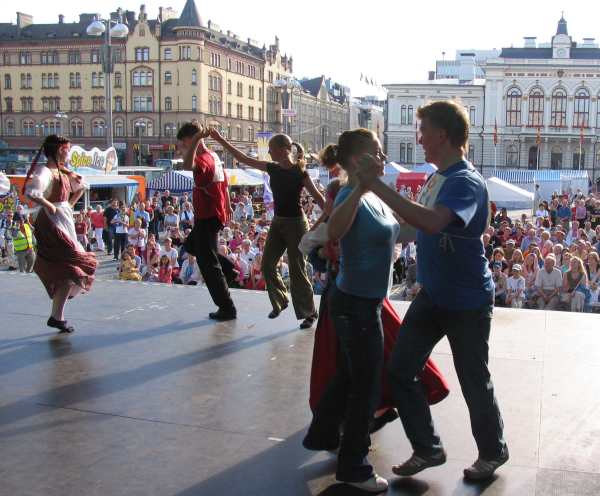
The polka is commonly danced in duple meter (2/4 time) with a lively, jaunty feel. Typical footwork is described as a one-two-three-hop pattern: a sequence of three walking or sliding steps followed by a hop or spring, usually danced by partners in closed or semi-closed hold. The tempo and styling vary from brisk ballroom polkas to relaxed folk interpretations.
Music and instrumentation
Musically, polkas are short, repetitive tunes with clear phrasing and strong beats that support the dance steps. Instrumentation has ranged from village fiddles and accordions to large urban dance bands and brass ensembles. The genre has produced many variants—march-like polkas, slow polkas, and regional types that emphasize different rhythms or melodic ornaments.
History and spread
Originating in Central Europe in the first half of the 19th century, polka became a pan-European craze by mid-century and was embraced in ballrooms, music halls, and rural festivities. It arrived in North America in the 1840s and was adopted, adapted, and preserved by immigrant communities, where it mixed with local traditions and contributed to new musical hybrids.
Variants, cultural role, and legacy
- Regional variants include Czech, Polish, German, and Mexican forms, each with distinctive tempos and ornamentation.
- Polka remains important in folk festivals, dance instruction, and social gatherings; it also influenced other popular music styles.
- Notable distinctions include the difference between concert/ballroom polkas (precise steps, faster tempo) and folk polkas (more flexible, often community-oriented).
Today polka survives both as a living folk tradition and as a historical dance studied by enthusiasts, sustaining a legacy that links community celebration to 19th-century social dance fashions.
Related articles
Author
AlegsaOnline.com Polka: history, style, music, and cultural spread Leandro Alegsa
URL: https://en.alegsaonline.com/art/77800