
Pop art — mid‑20th century movement in visual culture
Pop art is a mid‑20th century art movement that used imagery and techniques from mass media, advertising and popular culture to question and celebrate consumer society.
Overview
Pop art is a modern visual art movement that emerged in the mid‑20th century, most visibly during the 1950s and 1960s. Artists associated with the movement drew on imagery and methods from everyday mass culture rather than traditional fine‑art subjects. The movement blurred boundaries between "high" and "low" culture and explored the visual language of consumption, media and celebrity using direct, often ironic presentation. For a concise introduction to the movement as a whole, see further reading.
Image gallery
10 Images




Distinctive characteristics
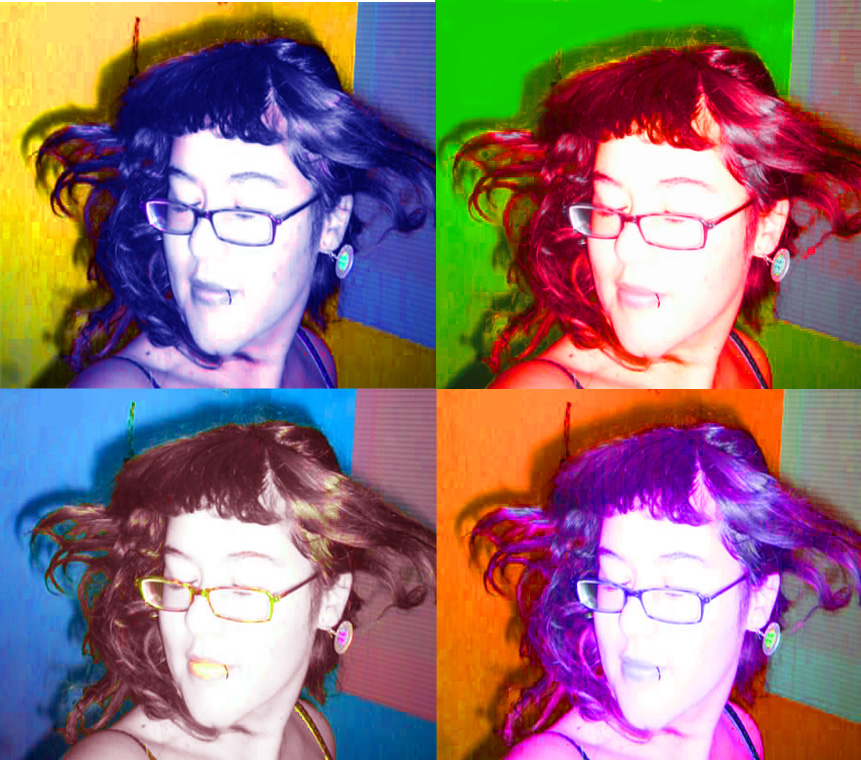
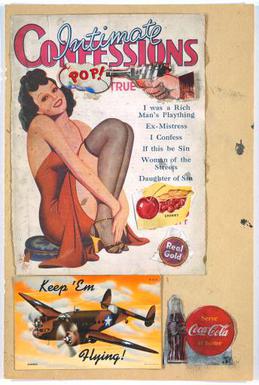
Common features of pop art include bold, flat areas of color, mechanical reproduction techniques, and clearly defined outlines. Artists used appropriation, repetition and mass‑production processes such as silkscreen printing to mimic commercial production. Pop art drew its subject matter from popular mass culture, especially images taken from advertising and comic books, treating recognizable icons and consumer goods as legitimate material for serious artistic exploration.
Origins and early figures
The roots of pop art lie in parallel developments in Britain and the United States. In Britain, artists and critics challenged the prevailing academic and abstract trends; notable early contributors include Eduardo Paolozzi and others who worked in London and nearby cultural circles. Paolozzi and peers are often cited as precursors for collages and prints that incorporated advertising and comic imagery in the early 1950s; see a brief account of that early phase in London and surrounding exhibitions from the period in the early 1950s. In the United States the movement gained public visibility through the work of artists who translated commercial aesthetics into fine art.
Key practitioners and examples
Among the better‑known figures are American artists such as Andy Warhol, famous for silkscreens of consumer products and celebrities; Roy Lichtenstein, known for paintings echoing comic‑strip techniques and Ben‑Day dots; and Robert Indiana, noted for bold typographic imagery. These and other practitioners used familiar imagery to probe themes of fame, commerce and mass production.
Influence, uses and legacy
- Pop art altered perceptions of what subjects and techniques belong in fine art, making commercial and popular imagery acceptable sources.
- It influenced graphic design, advertising, fashion and later art movements, including postmodern and neo‑pop practices.
- Its legacy is visible in contemporary visual culture where brand imagery, celebrity portraits and appropriation remain central concerns.
Pop art remains widely discussed for its dual capacity to critique and to celebrate consumer culture, and for its role in expanding the vocabulary of modern art. For additional context and examples, see a general overview on British contributions and curated resources about notable artists and works here or here.
Questions and answers
Q: What is pop art?
A: Pop art is a modern art movement that emerged in the 1950s and 60s, characterized by its themes and techniques drawn from popular mass culture, such as advertising and comic books.
Q: When was pop art created?
A: Pop art was created in London in 1952 by Scottish sculptor and artist Eduardo Paolozzi.
Q: Who are some examples of pop artists?
A: Some examples of pop artists include Andy Warhol, Robert Indiana, and Roy Lichtenstein.
Q: What types of culture are referenced in pop art?
A: Pop art references popular culture, rather than elitist culture, and employs images culling from that sphere.
Q: What is the significance of pop art?
A: Pop art broke away from traditional forms of art and allowed for artistic expressions that were more open and accessible to the general public. Pop art is seen as a form of cultural critique that showcases how art can be a reflection of the changing values and perceptions of society.
Q: What are some of the techniques used in pop art?
A: Some of the techniques used in pop art include the use of bold colors, commercial printing techniques, and collage.
Q: How has pop art influenced contemporary art?
A: Pop art has had a significant impact on contemporary art, inspiring and shaping new forms of artistic expression. Many contemporary artists continue to draw inspiration from pop art and use its techniques as part of their creative process.
Related articles
Author
AlegsaOnline.com Pop art — mid‑20th century movement in visual culture Leandro Alegsa
URL: https://en.alegsaonline.com/art/78040
Sources
- tate.org.uk : Tate Collection image: I was a Rich Man's Plaything