
Pointe shoes: design, history, and role in classical ballet
Pointe shoes are reinforced ballet slippers that allow dancers to balance and dance on the tips of their toes; they have a distinctive box, shank and ribbons and developed with Romantic-era ballet technique.
Overview
Pointe shoes are a specialized type of ballet shoe that enable dancers to rise onto the tips of their toes and perform en pointe. Unlike soft ballet slippers, pointe shoes contain a stiffened front (the box) and a supportive sole (the shank). They are essential equipment for many classical ballets and are associated with the aesthetic of lightness and vertical line in dance.
Image gallery
10 Images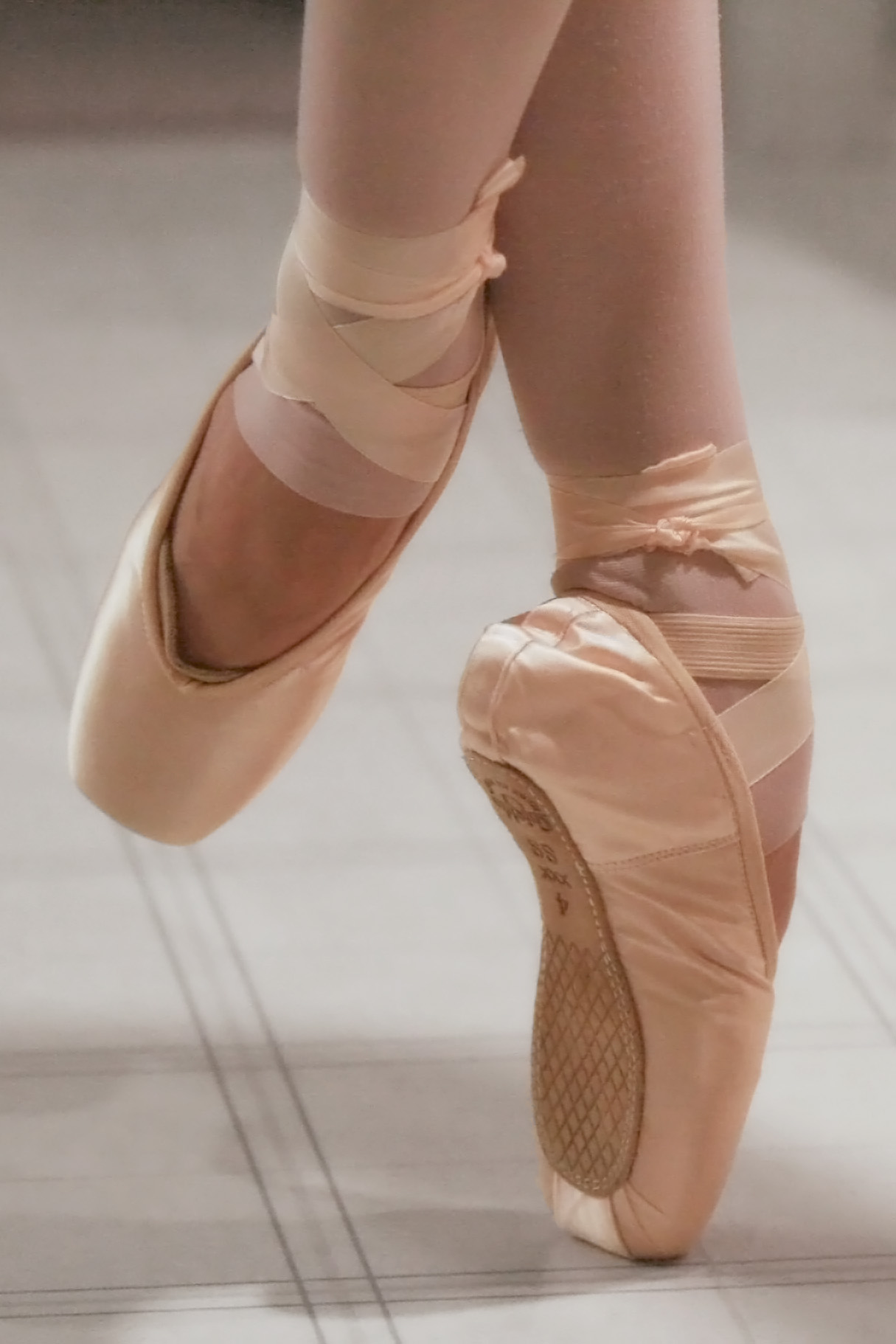





Construction and parts
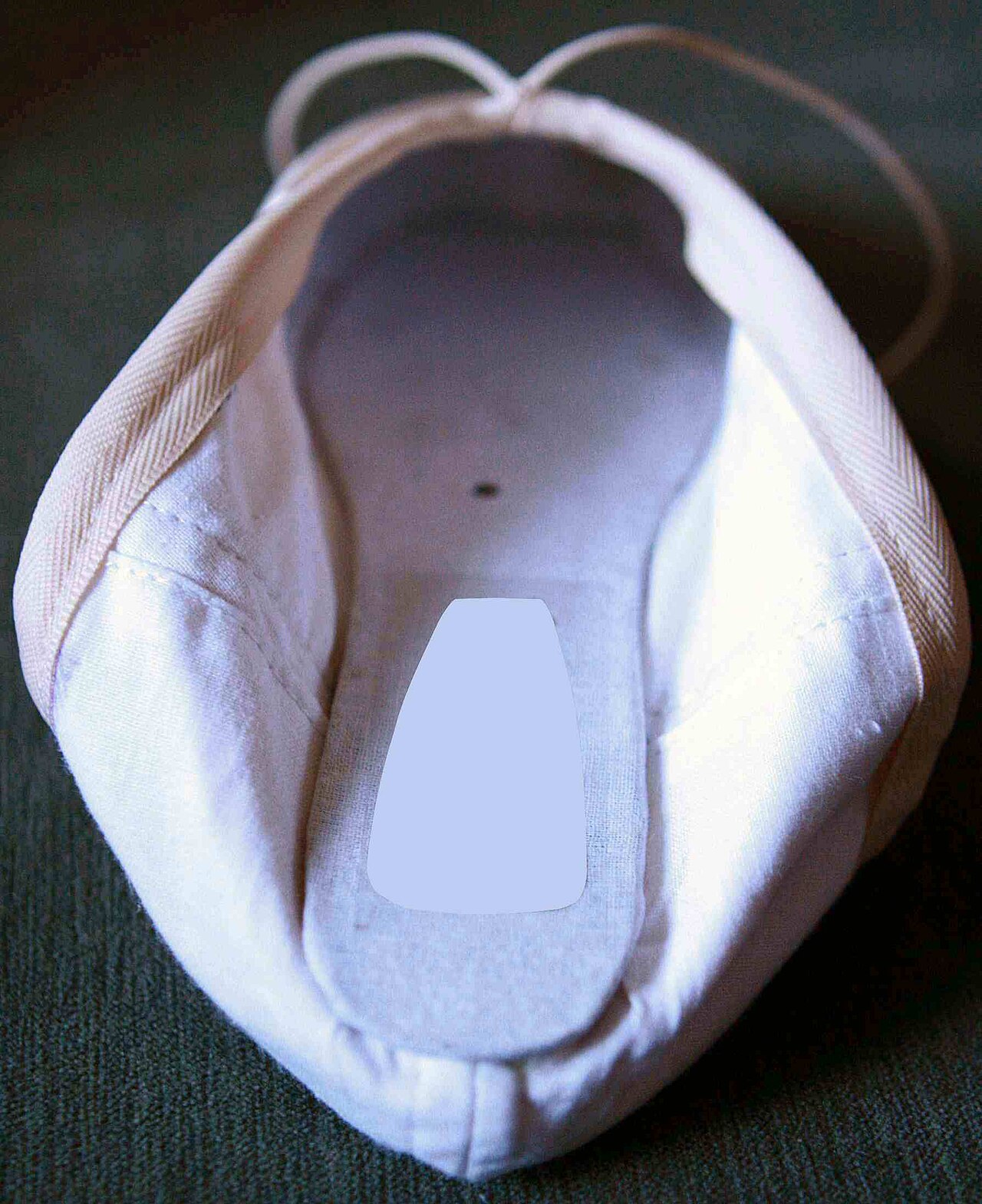
The principal components of a pointe shoe are the box (a reinforced toe area that supports body weight), the platform (the flat tip where the dancer balances), the shank (a semi-rigid support under the arch), the vamp, and the satin outer covering. Ribbons and elastic secure the shoe to the foot. Materials and stiffness vary with manufacturer and the dancer's experience; see a manufacturer or fitting guide for comparisons: manufacturer resources.
History and development
Pointe work developed gradually during the early 19th century as choreography sought a more ethereal, weightless quality. Advancements in shoe construction followed to permit longer and safer pointe technique. Over time, makers experimented with materials and methods to balance durability, support, and the dancer's ability to articulate the foot.
Technique, training, and care
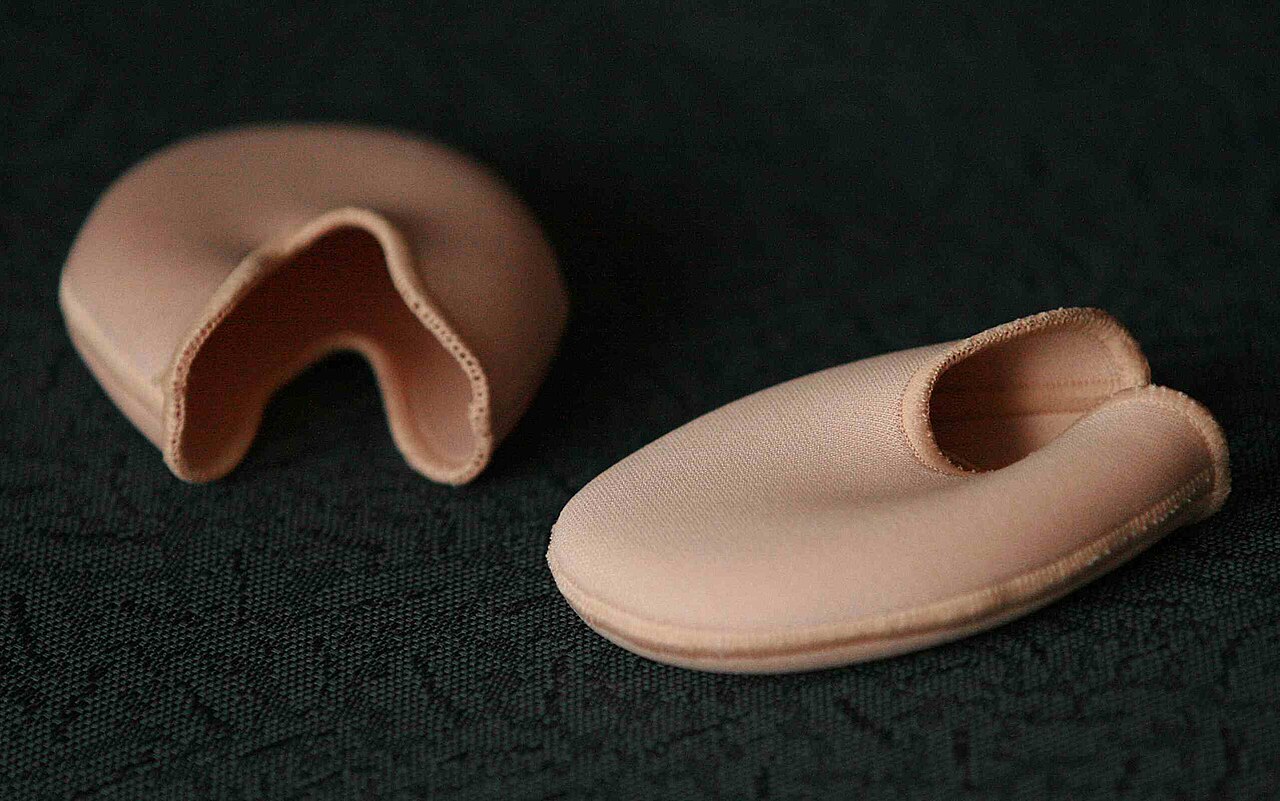
Dancing en pointe requires years of preparatory training to build strength in the ankles, calves and core. Proper fitting is critical: an ill-fitting shoe can cause pain, injury, and reduced performance. Dancers often prepare shoes by "breaking in" them to match the foot and may use padding or tape. For lessons and technique guidance consult a certified teacher or resource: training guidance.
Uses, risks, and notable distinctions
Pointe shoes are used primarily in classical and neoclassical ballet for solos, corps de ballet patterns, and pas de deux. They are not intended for all styles of dance. Risks include blisters, toenail damage, stress fractures and joint strain; careful progression and medical attention reduce these hazards. A related term, demi-pointe, means rising onto the ball of the foot rather than fully en pointe.
Maintenance and selection
- Selection: choose shoe type and shank strength to match experience and foot shape; professional fittings are recommended (fit resources).
- Care: rotate pairs, air them out, and repair ribbons and elastics as needed; avoid excessive wetting or machine washing.
- Replacement: frequency depends on use—performance-level pairs may wear out quickly.
For historical context, technique notes, and buying advice consult reputable dance organizations and retailers: additional resources. Accurate fitting and progressive training remain the most important factors for safe and expressive pointe work.
Questions and answers
Q: Who wears pointe shoes?
A: Ballerinas wear pointe shoes.
Q: What is special about pointe shoes?
A: Pointe shoes are made with a wide, flat, reinforced front end that allows the dancer to stand on tiptoe.
Q: What is the difference between pointe shoes and normal ballet shoes?
A: Normal ballet shoes do not provide support for the dancer's body weight to stand or dance en pointe, whereas pointe shoes have a reinforced front end that provides this support.
Q: What is the purpose of the wide, flat, reinforced front end of pointe shoes?
A: The wide, flat, reinforced front end of pointe shoes allows the dancer to stand on tiptoe.
Q: What is the importance of standing on tiptoe in ballet?
A: Standing on tiptoe is a fundamental technique in ballet and is crucial to executing many dance moves.
Q: Can anyone wear pointe shoes?
A: No, not anyone can wear pointe shoes. Only experienced and trained ballerinas can wear pointe shoes.
Q: Why do experienced and trained ballerinas wear pointe shoes?
A: Experienced and trained ballerinas wear pointe shoes because they have the strength and technique to perform complex dance moves while standing en pointe.
Related articles
Author
AlegsaOnline.com Pointe shoes: design, history, and role in classical ballet Leandro Alegsa
URL: https://en.alegsaonline.com/art/77641