
Poi spinning: technique, equipment, history and contemporary practice
Poi spinning is a performance and object-manipulation art using weights on cords to create rhythmic patterns. It spans traditional Māori roots to modern flow arts with LED and fire variants.
Overview
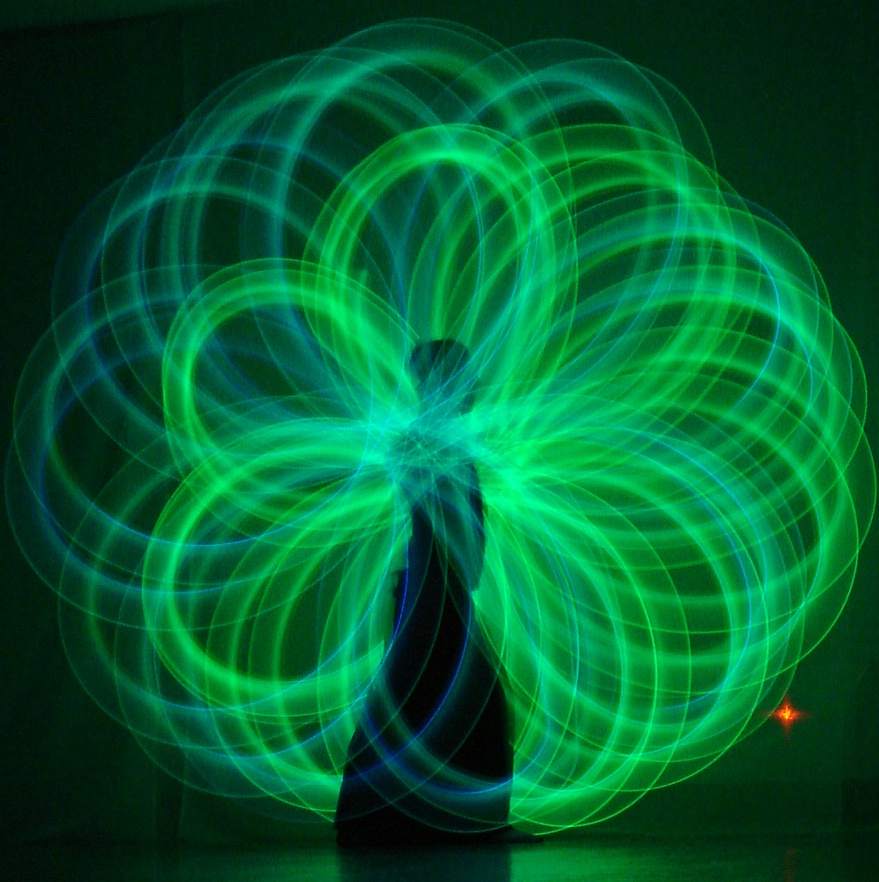
Poi spinning is a form of object manipulation and performing art in which one or more weighted heads are swung on tethers to trace patterns in space. Practiced both as a recreational skill toy and as a stage art, poi combines rhythm, coordination and visual design. Movements can be slow and meditative or fast and athletic, and modern practice often emphasizes continuous, flowing motion.
Image gallery
10 Images





Equipment and common types
Poi gear ranges from improvised practice tools to professionally made performance equipment. A basic set of poi consists of a weight (the head) attached to a cord or chain with a handle. Typical varieties include:
- Practice poi: soft heads (beanbags, socks) for learning moves safely.
- LED poi: battery-powered lights that make patterns visible at night and add color effects.
- Fire poi: heads with fuel-soaked wicks designed to be lit for dramatic shows; these require specialized safety training.
- Weighted or contact poi: built for specific tricks or contact-style manipulation.
Basic techniques and patterns
Poi spinning comprises many foundational motions and combinations. Practitioners learn to control planes, timing and direction to form complex shapes. Common elements include:
- Planes and orbits: circular paths in vertical, horizontal or diagonal orientations.
- Throws, stalls and catches: transitions to change momentum or direction.
- Weaves and butterflies: patterns created by alternating hand movements and timing.
- Isolations and stalls: techniques that make the head appear to stop while the cord moves.
History and cultural context
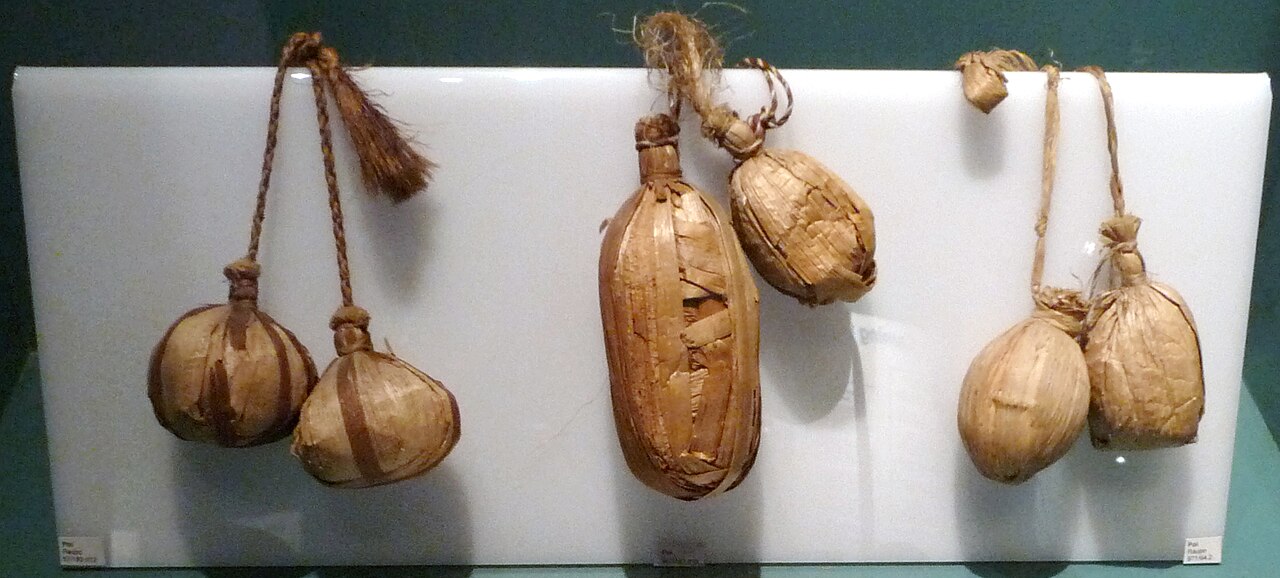
Poi has historical roots in the Māori culture of Aotearoa New Zealand, where it was used in storytelling, dance and training, particularly by women. In the late 20th century poi techniques were adapted and expanded by circus artists, jugglers and the global "flow arts" community. Contemporary poi blends traditional inspiration with new materials and performance technologies, but many practitioners emphasize respect for the cultural origins and correct attribution.
Safety, training and etiquette
Safe practice varies by poi type. Beginners commonly use soft, unlit poi in open spaces to avoid injury. Fire poi requires trained supervision, fireproof clothing, spotters and fuel safety procedures. Etiquette in shared training spaces includes clearing adequate room, communicating when attempting risky moves, and acknowledging the Māori origins when discussing poi's history.
Uses and community
Poi spinning is pursued for fitness, coordination training, creative expression and performance. It appears in street shows, dance collaborations, festivals and instructional workshops. Online communities share tutorials, choreography and safety advice, helping newcomers progress from basic drills to choreographed routines that integrate music, lights and costuming.
Whether practiced as a hobby or a professional art form, poi spinning remains a versatile and evolving discipline that combines movement, rhythm and visual spectacle.
Related articles
Author
AlegsaOnline.com Poi spinning: technique, equipment, history and contemporary practice Leandro Alegsa
URL: https://en.alegsaonline.com/art/77610