
1805 — overview, notable events, and historical context
A concise account of the year 1805: calendar placement, major military and exploration events, cultural notes and notable births and deaths within the context of the early 19th century.
Overview and calendar
The year 1805 was a common (non-leap) year in the early 19th century. In modern dating it is numbered 1805 in the Anno Domini and Common Era systems; it falls in the 1800s decade and the fifth year of the 19th century. Different calendar systems placed its weekdays differently: under the Gregorian calendar 1805 began on a Tuesday, while under the older Julian calendar it began on a Sunday. For information on how years are numbered and the differences between systems, see calendar systems and the Gregorian and Julian calendars.
Image gallery
10 Images




Political and military developments
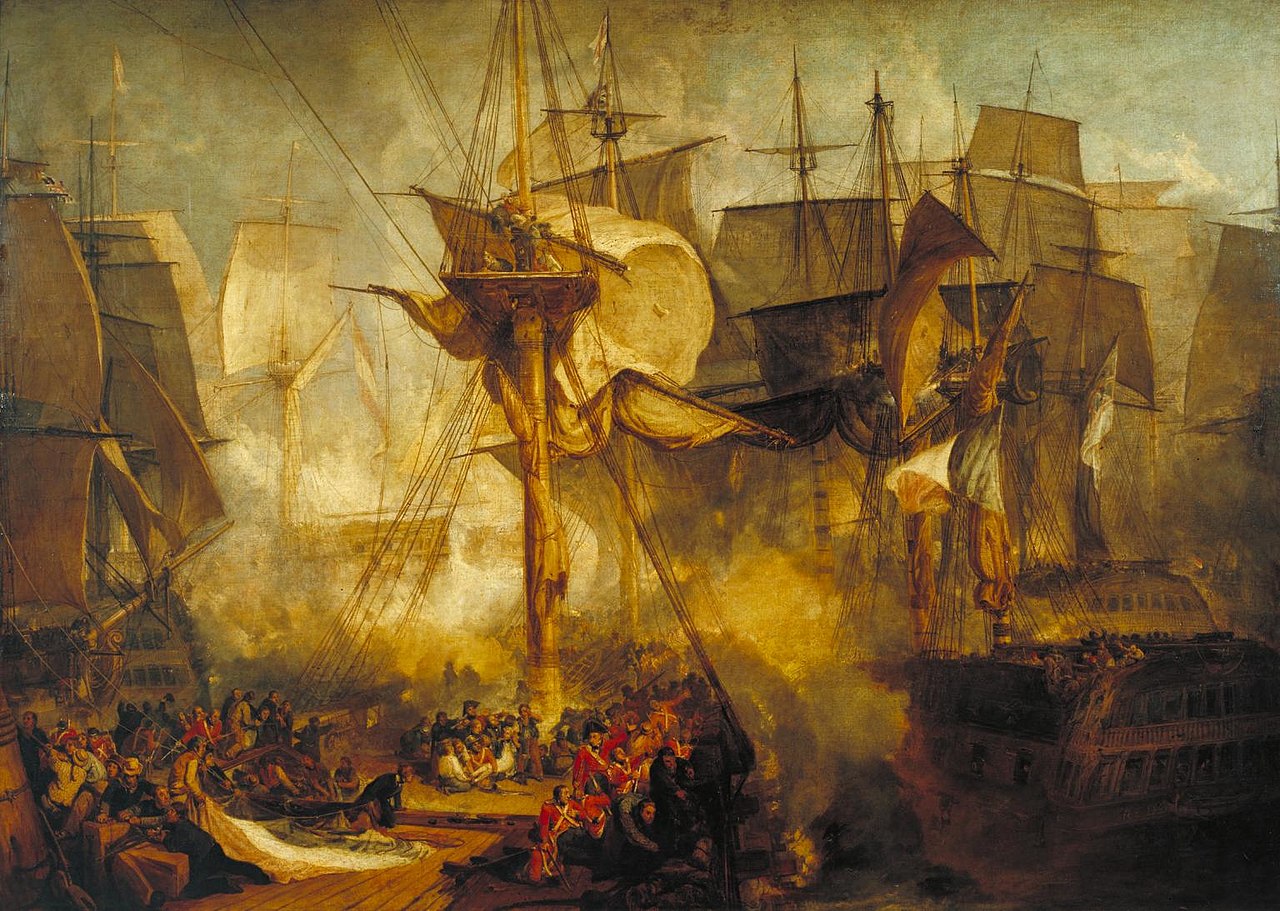
1805 is remembered largely for its role in the Napoleonic era. The War of the Third Coalition brought some of the decade's most decisive clashes: the British navy secured control of the sea at the Battle of Trafalgar, while Napoleon won a spectacular victory on land at the Battle of Austerlitz. These outcomes reshaped European diplomacy, weakened some traditional powers, and accelerated the reorganization of territories that culminated in the end of the Holy Roman Empire the following year. For broader context see entries on the Napoleonic Wars.
Exploration and expansion
Beyond Europe, 1805 was significant in North American exploration. The American Corps of Discovery, led by Meriwether Lewis and William Clark, pressed to the Pacific coast as part of the Lewis and Clark Expedition, thereby extending practical knowledge of the continent's interior and its river systems. For background on this transcontinental journey see Lewis and Clark.
Culture and society
The early 1800s witnessed cultural shifts tied to political change and growing urbanization. In the arts and letters, figures who would shape later decades were being born and coming of age. Notably, the Danish storyteller Hans Christian Andersen was born in 1805; his future tales would enter the canon of childhood literature across Europe.
Notable births and deaths
- Births: In addition to Hans Christian Andersen, 1805 saw births of individuals who later contributed to literature, the sciences and public life across several countries.
- Deaths: The year included prominent wartime losses—most famously Admiral Horatio Nelson, who died at the Battle of Trafalgar, a loss that had immediate naval and political repercussions for Britain and its rivals.
Why 1805 matters
1805 stands as a pivotal year where military, political and exploratory threads converged: decisive battles altered the balance of power in Europe, while discoveries and expeditions helped define the map and destiny of other continents. It sits at the intersection of the late Enlightenment, the upheavals of revolutionary and Napoleonic politics, and the accelerating transformations of the industrial age and global empires. For additional chronological and thematic connections see general resources on the Common Era and the 19th century.
Related articles
Author
AlegsaOnline.com 1805 — overview, notable events, and historical context Leandro Alegsa
URL: https://en.alegsaonline.com/art/111754